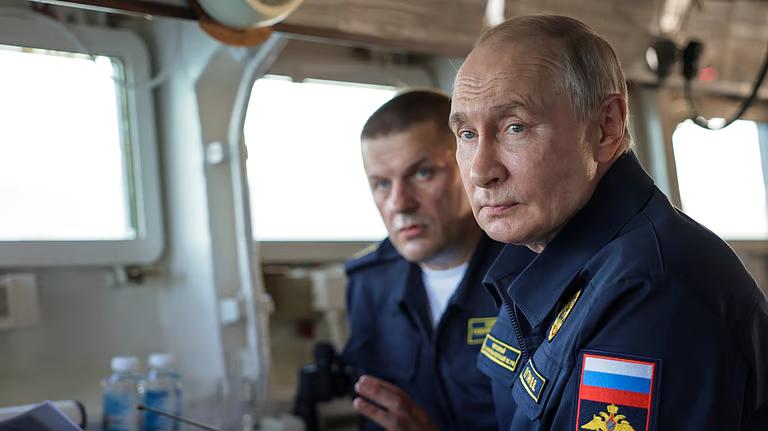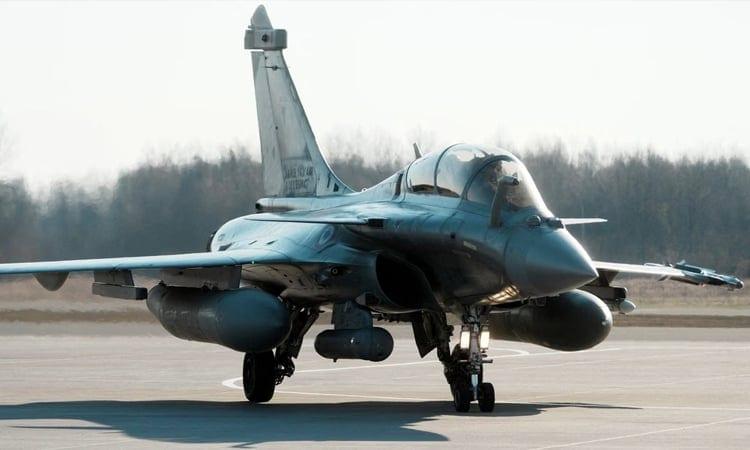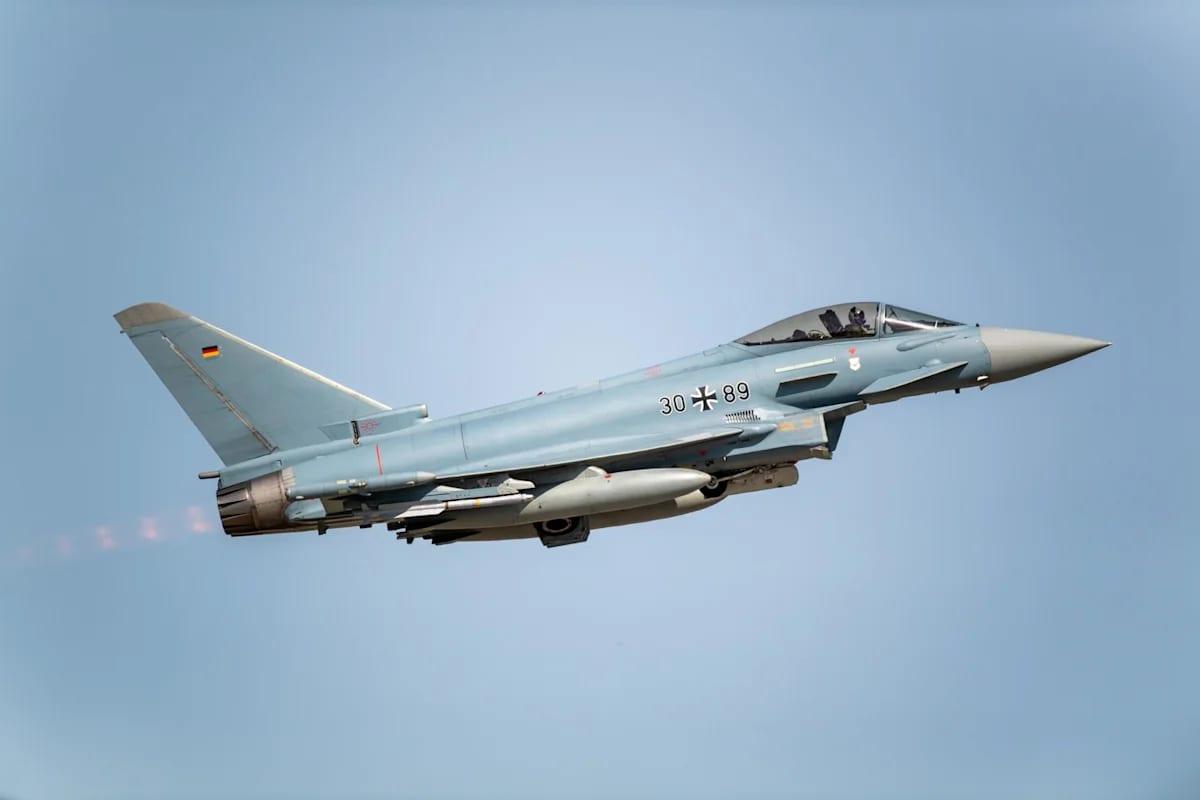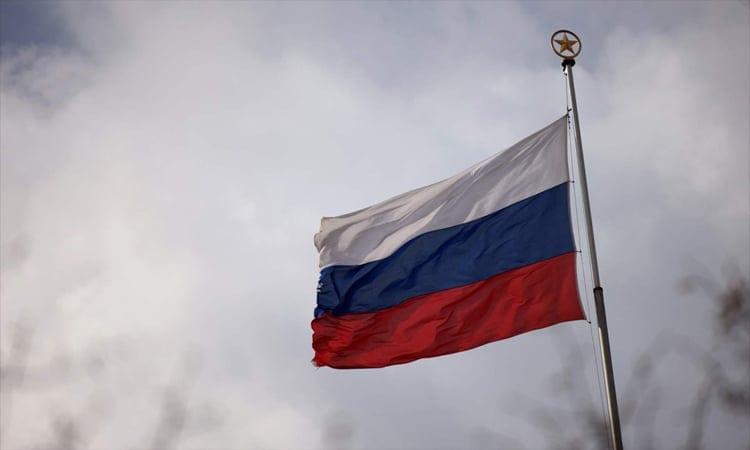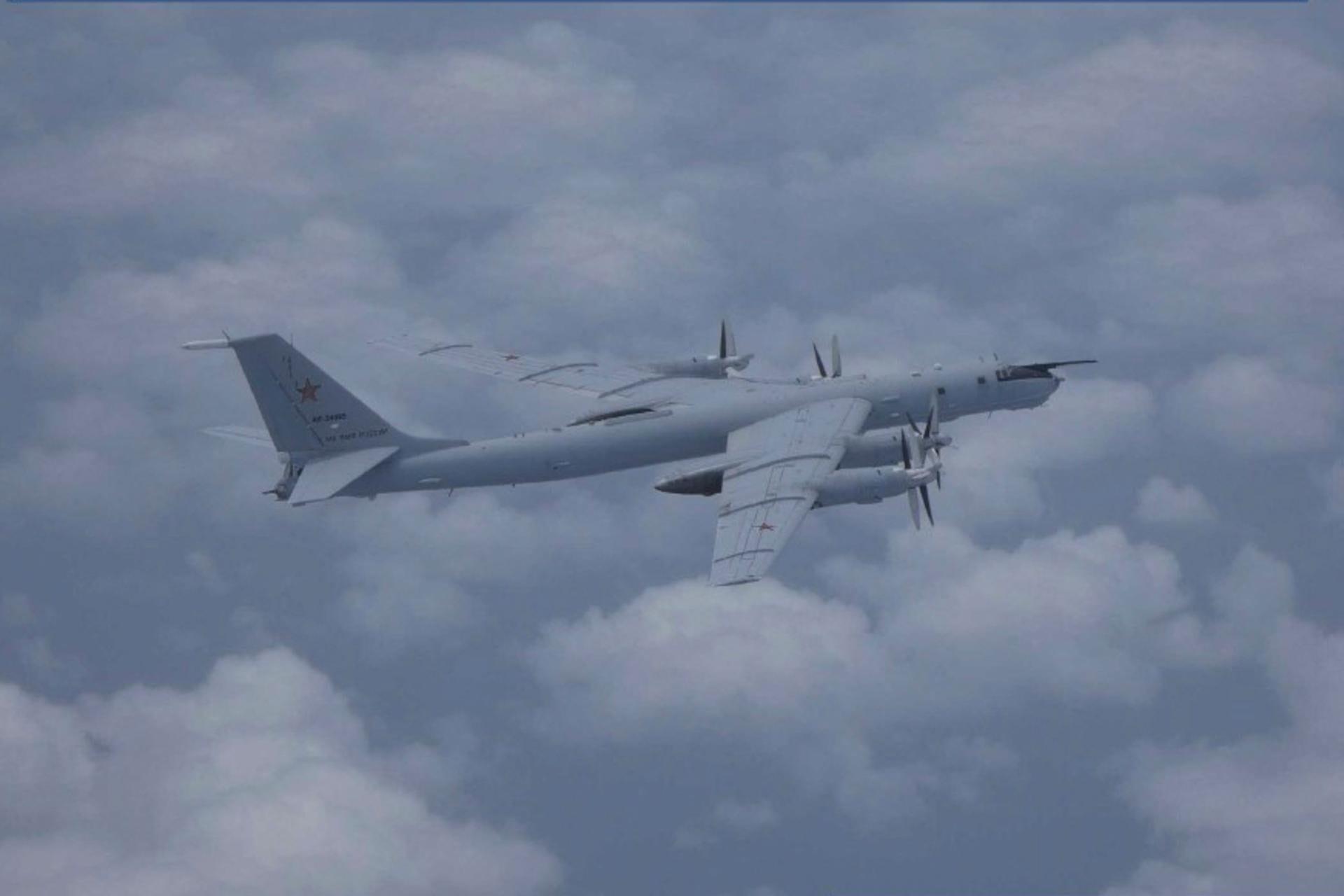
South Korea scrambled fighter jets in response to Russian military aircraft entering its air defence identification zone over the East Sea, also known as the Sea of Japan. This marks the second such incident in recent weeks, further straining the already tense relationship between the two countries. The South Korean defence ministry confirmed that multiple Russian aircraft had entered and subsequently left the zone without violating South Korean airspace.
An air defence identification zone is a buffer area where countries require foreign aircraft to identify themselves for security purposes. While military aircraft are generally expected to notify the relevant country before entering such zones, there is no legal obligation to do so. South Korea's military detected the Russian aircraft before they entered the zone and deployed Air Force fighter jets as a precautionary measure.
This incident comes amid heightened tensions following South Korea's decision to join Western sanctions against Russia in response to its invasion of Ukraine. Additionally, Russia's strengthening ties with North Korea have further complicated the diplomatic landscape. In late June, more than 10 Chinese and Russian military aircraft entered South Korea's air defence zone, prompting Seoul to lodge protests with both Beijing and Moscow.
Beijing's defence ministry stated that Chinese and Russian forces had conducted a 'strategic air patrol' over the Sea of Japan, the East China Sea, and the western Pacific Ocean. Russia's defence ministry described the patrol as part of normal military cooperation plans, asserting it was 'not directed against third countries.' Nevertheless, South Korea demanded measures to prevent such incidents from recurring.
The recent incursions highlight the ongoing geopolitical complexities in the region. South Korea's response underscores its commitment to maintaining security within its air defence identification zone. The situation remains delicate, with implications for regional stability and international relations.
For Bangladeshi readers, understanding these developments is crucial as they reflect the broader geopolitical dynamics in Asia. The actions of major powers in the region can have ripple effects, influencing security policies and international alliances. Staying informed about such incidents helps in comprehending the global strategic landscape and its potential impact on Bangladesh's foreign policy and regional security considerations.