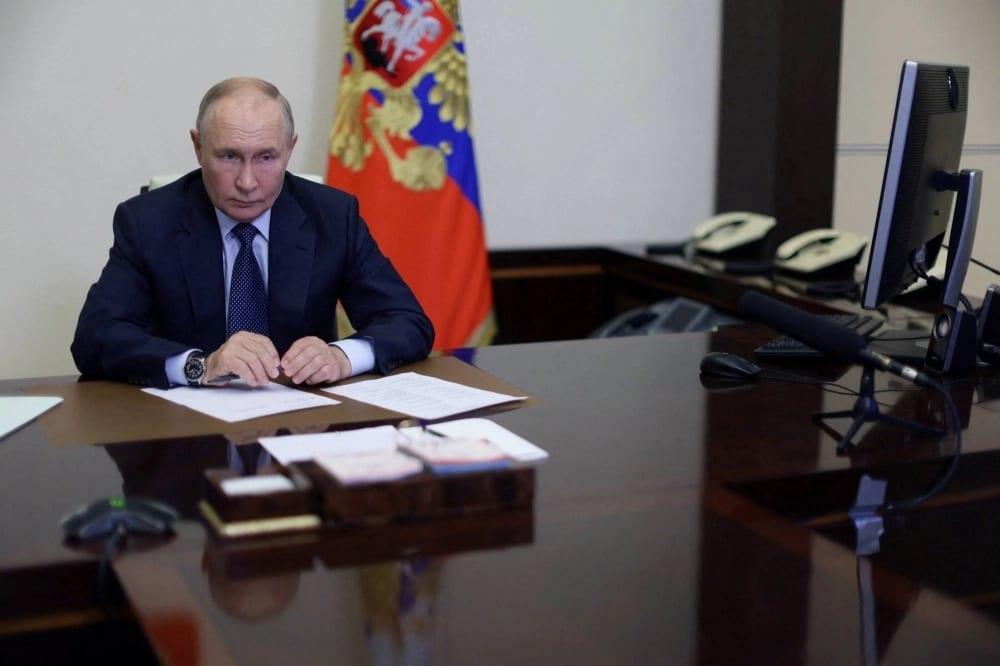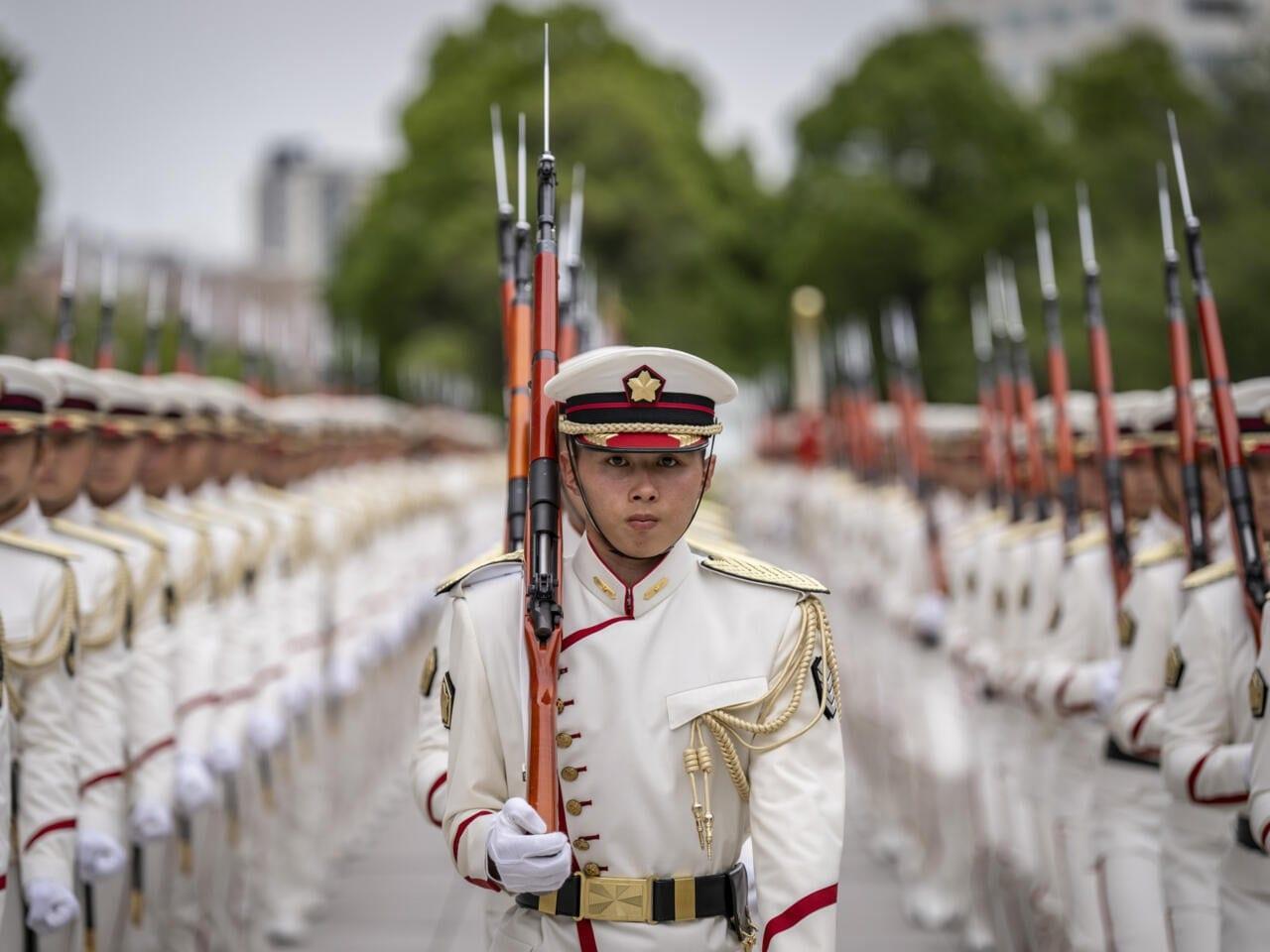
Japan has expressed its strong objection to Russia's notification of missile tests conducted off the disputed Kuril Islands, known in Japan as the Northern Territories. The Japanese government lodged a protest in response to the missile tests, which took place after Russian President Vladimir Putin visited the islands earlier this month. The Kuril Islands have been a long-standing point of contention between the two nations, with Japan claiming sovereignty over the islands that were seized by the Soviet Union in 1945.
According to a Japanese government spokesman, the protest was lodged in response to the notification about the plan to conduct a missile test off the islands. Russia's Pacific Fleet confirmed that it had carried out the missile test, though the exact date remains unclear. The naval fleet stated that during planned exercises, its forces executed a missile strike against targets simulating enemy ships located more than 300 kilometers off the coast of the Southern Kuril Islands.
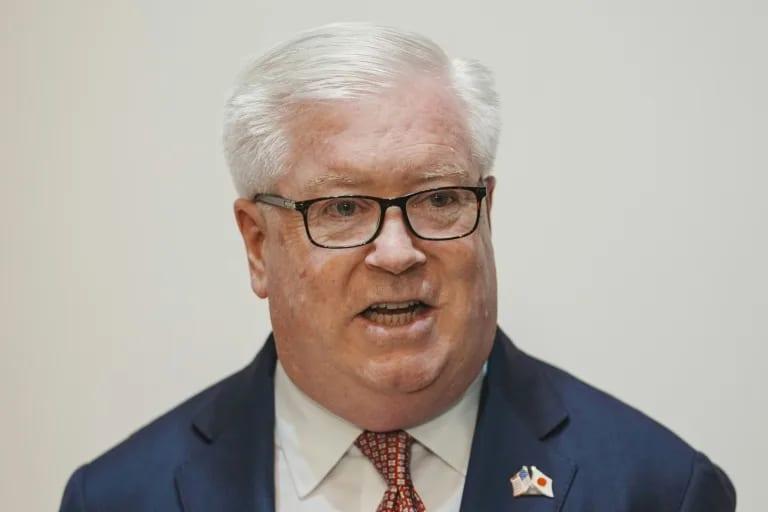
The missile test involved the launch of two 'Vulkan' anti-ship missiles from the Guards cruiser 'Varyag', 'Granit' cruise missiles from the nuclear-powered submarine 'Omsk', and an 'Oniks' missile from a 'Bastion' coastal missile system crew on the Kuril Islands. Foreign Minister Toshimitsu Motegi condemned the drills, stating that Russia's military buildup in the Northern Territories, including these missile tests, is contrary to Japan's position and is unacceptable.
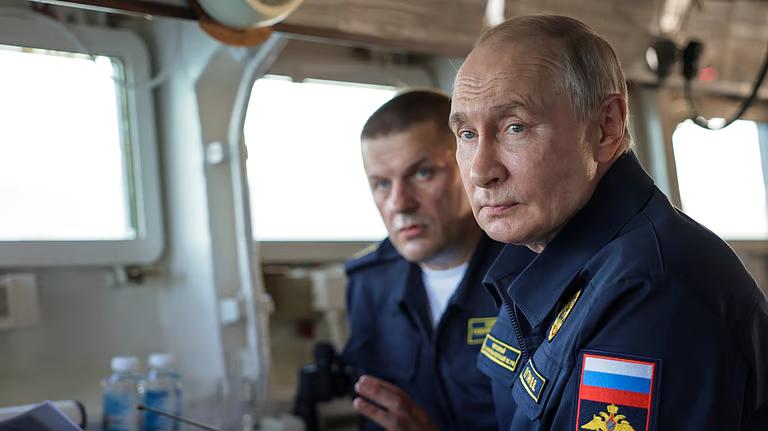
Putin's visit to the islands on August 13 marked the first official trip by a Russian president since Dmitry Medvedev in 2010. Following Putin's visit, Japanese Prime Minister Sanae Takaichi reaffirmed that the islands are an inherent part of Japan's territory, both historically and under international law. The visit and subsequent missile tests have further strained the already tense relations between Japan and Russia, which have worsened since the start of the full-scale conflict in Ukraine in 2022.
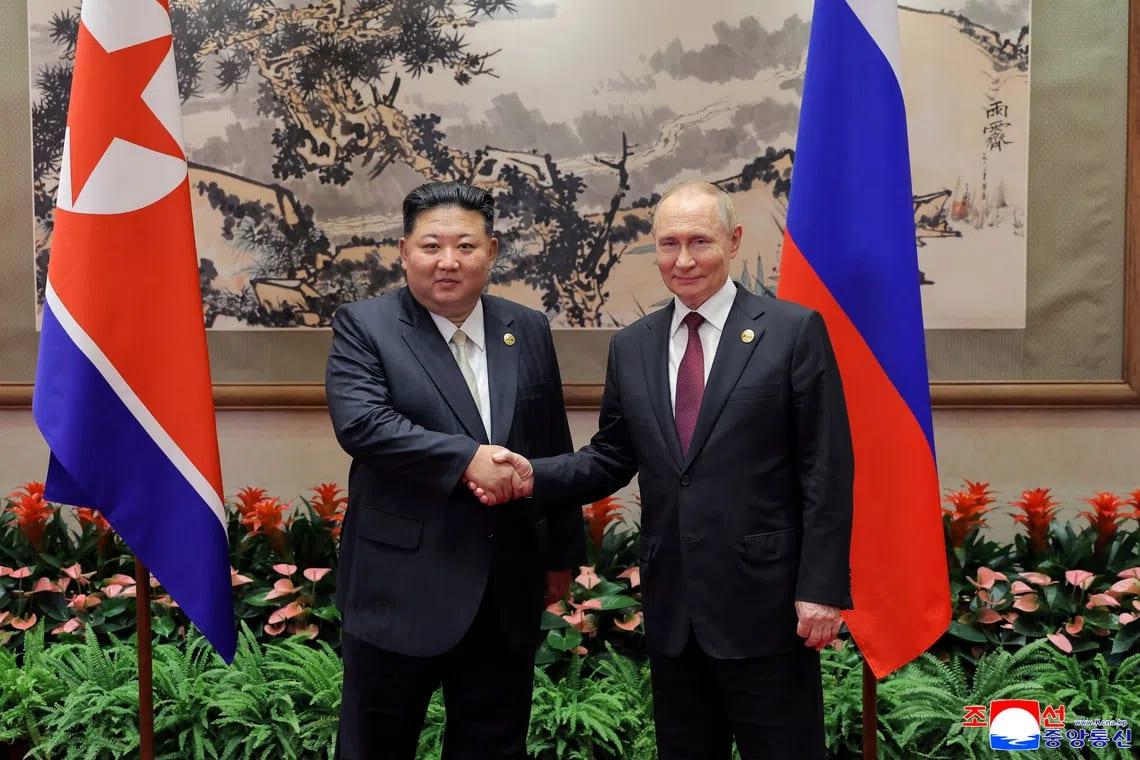
Japan, along with other G7 countries, has imposed sanctions on Moscow and provided aid to Kyiv. Ukraine, like the United States, recognizes Japanese sovereignty over the disputed islands. Analysts suggest that Putin's visit to the Kurils may have been a warning to Japan against deepening its support for Ukraine, potentially including the direct supply of Patriot missiles, and against closer cooperation with NATO. Japan currently provides only non-lethal defense aid to Ukraine, as it is still barred from supplying lethal military equipment directly to a country at war.
The ongoing dispute over the Kuril Islands and the recent military activities have significant implications for regional stability and international relations. For Bangladesh, the situation underscores the importance of maintaining a balanced approach in its foreign policy, especially in navigating complex geopolitical dynamics involving major powers.