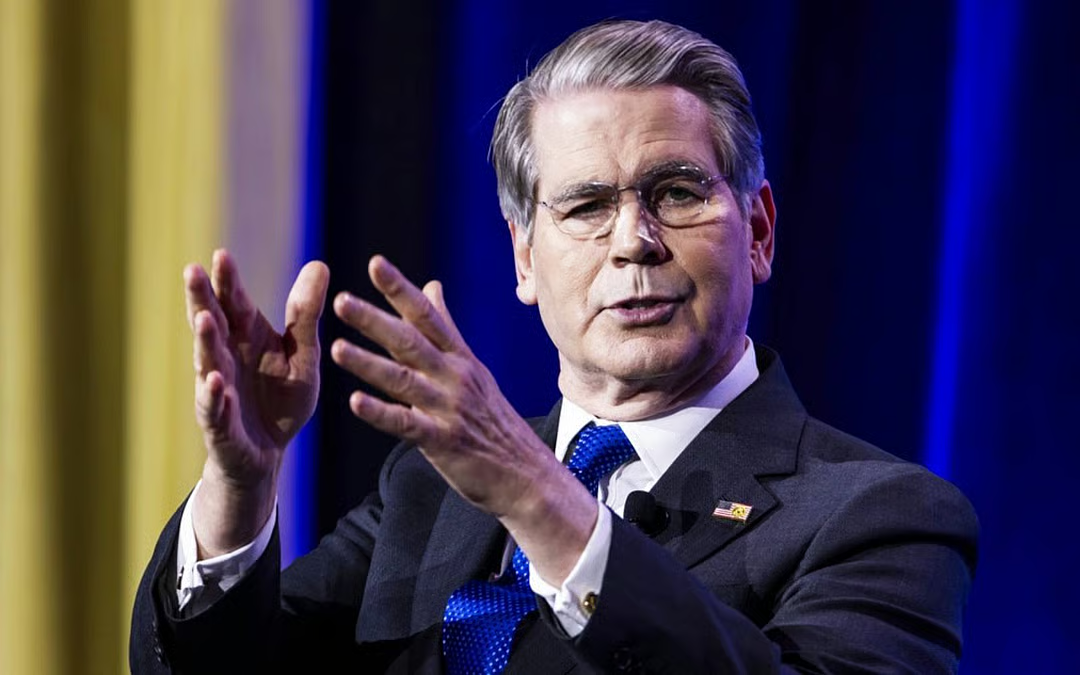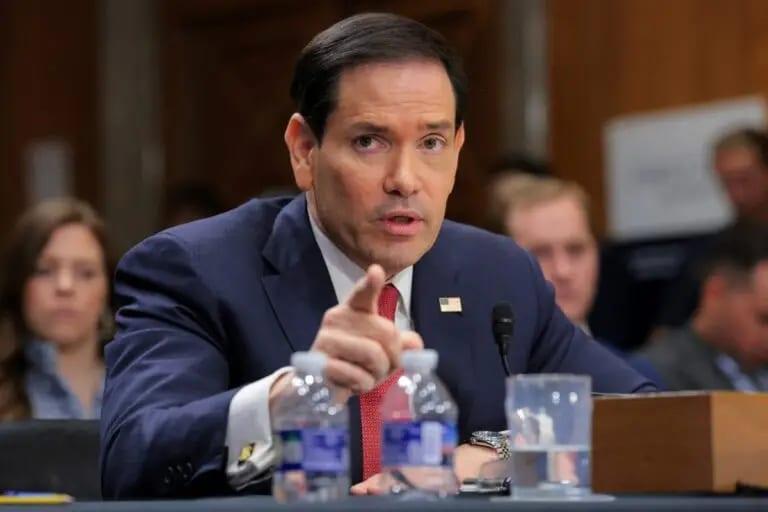
US Secretary of State Marco Rubio announced a new wave of sanctions targeting Cuban entities on Thursday, including the country's Ministry of Construction. The sanctions aim to cripple the communist government by targeting state-owned enterprises in the metals and mining sector, which allegedly sustain the regime's repressive apparatus. Additionally, three top leaders of the Cuban Institute of Friendship with the Peoples (ICAP) were sanctioned, including its president, Fernando Gonzalez Llort, who was previously convicted in the US of being a Cuban spy.
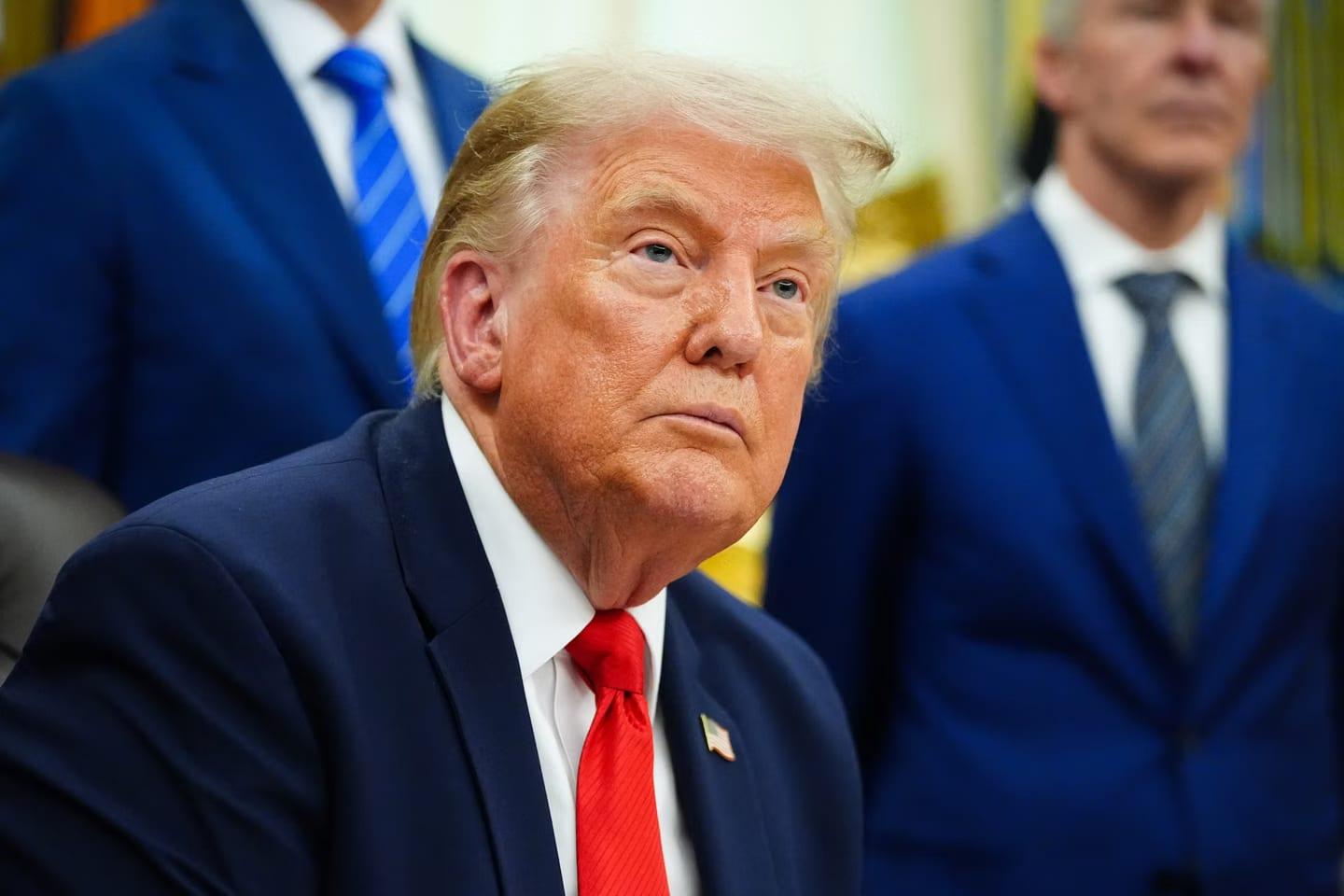
Rubio stated that the designations make clear that the Trump Administration will not tolerate the Cuban regime's efforts to fund its repression or continue its campaign of subversive anti-American activities. Cuban Foreign Minister Bruno Rodriguez responded on X, accusing Rubio of deliberately harming Cuba's economy and preventing the government from providing basic services to the population.
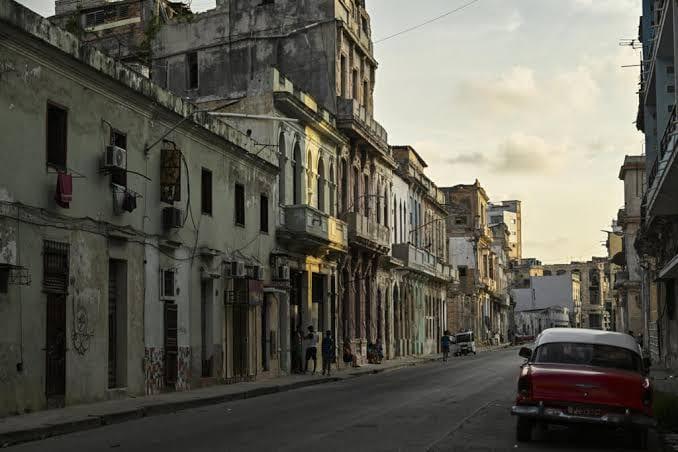
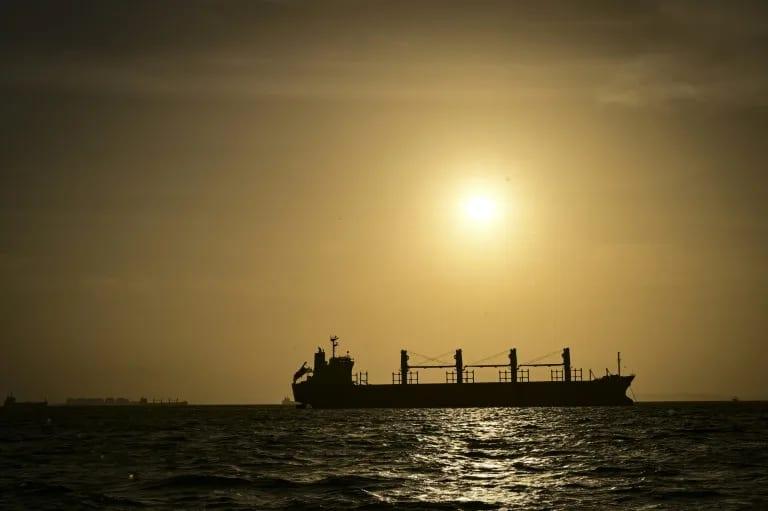
The Trump administration launched a new pressure campaign against Cuba's communist government in January, following the toppling of Venezuela's Nicolas Maduro, a close ally of Havana. An oil blockade imposed on the island has exacerbated already grim living conditions, while new sanctions on the military-controlled conglomerate GAESA have scared away foreign businesses and investments.
The US has accused Cuba of threatening American national security by aiding adversaries such as Russia, China, and Iran. More recently, the administration has emphasized Havana's alleged ties with left-wing movements in the US. Rubio claimed that the Cuban regime sponsors a vast subversive network in the United States aimed at radicalizing subversives under the pretext of educational or cultural exchange.
The new sanctions are part of a broader strategy to pressure the Cuban government. The Ministry of Construction and other targeted entities play significant roles in Cuba's economy, and the sanctions aim to disrupt their operations and funding sources. The impact of these sanctions on Cuba's already struggling economy could be severe, potentially leading to further deterioration of living conditions for the Cuban population.
For Bangladesh, the ongoing US-Cuba tensions highlight the complexities of international relations and the potential impacts of sanctions on global trade and diplomacy. As a nation that values its relationships with both the US and Cuba, Bangladesh must navigate these challenges carefully to maintain its diplomatic and economic interests.