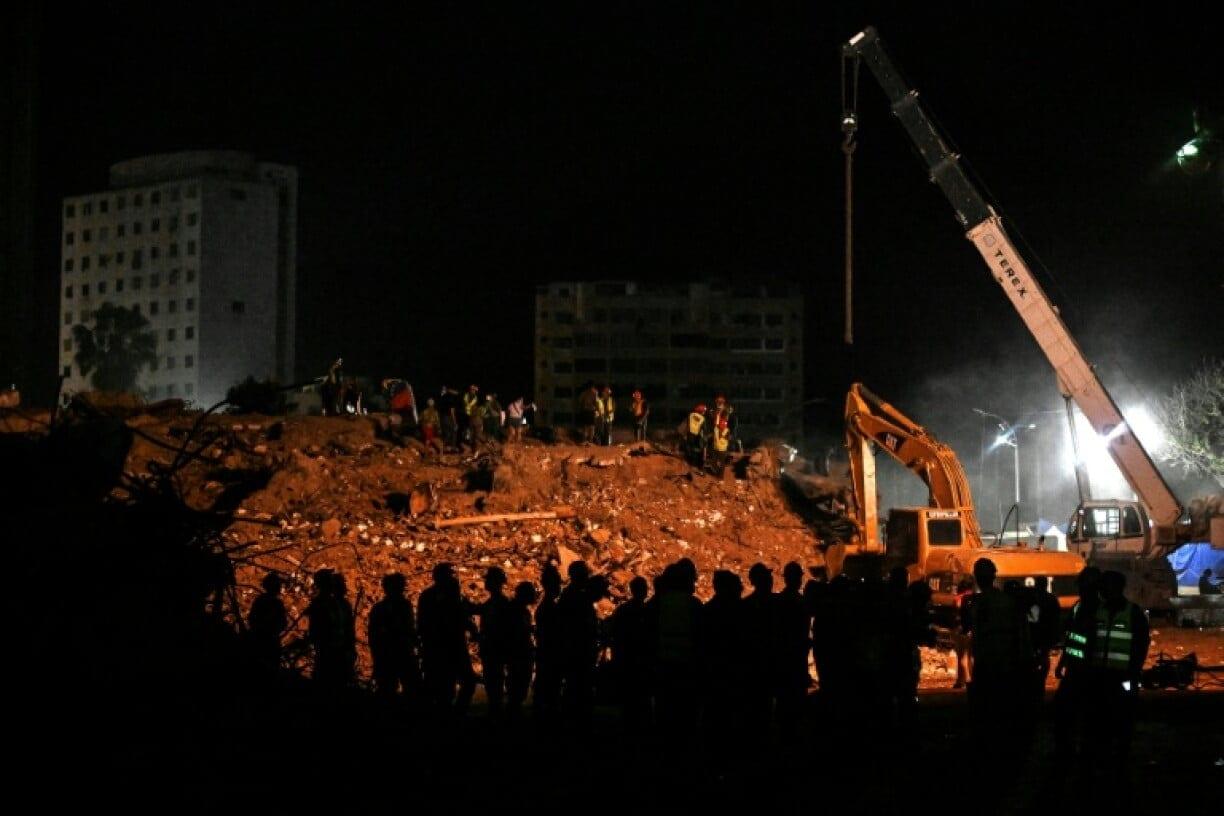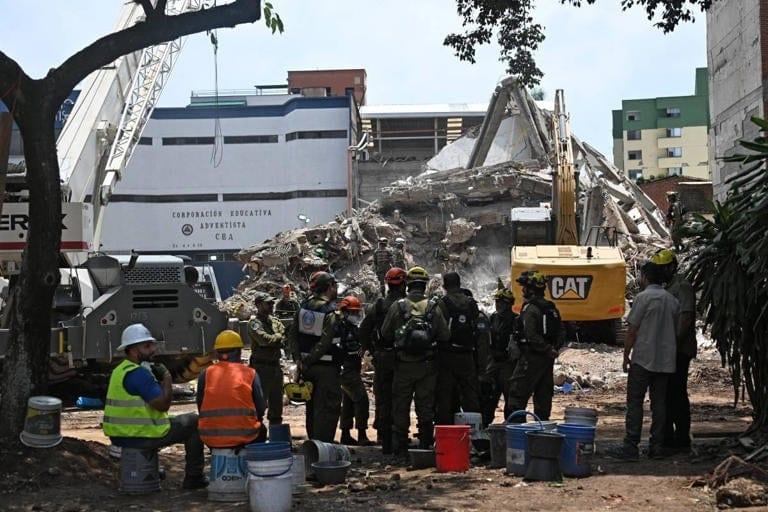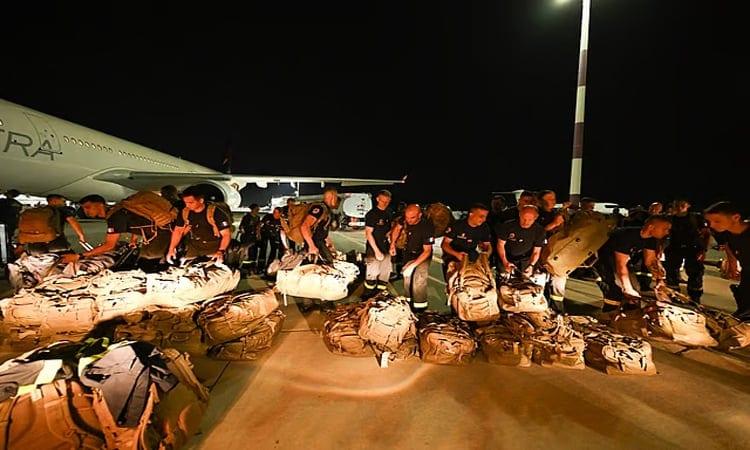
Venezuela carried out a readiness drill on Wednesday to test the provisional terminals installed at Simon Bolivar International Airport in La Guaira, which was significantly damaged by twin earthquakes in June. The airport, located in the state hardest hit by the 7.2 and 7.5 magnitude quakes on June 24, saw its infrastructure, including the main runway, severely affected. These earthquakes left more than 6,400 people dead and flattened numerous buildings.
Temporary Terminals and Limited Operations
Following the earthquakes, the airport's operations were limited to humanitarian flights for several weeks. The readiness drill tested areas that will allow the airport to reach 40 percent of its previous capacity. The airport has set up two provisional departure terminals and two arrivals terminals in huge tents outside the damaged buildings.
US Assistance and Interim Government Plans
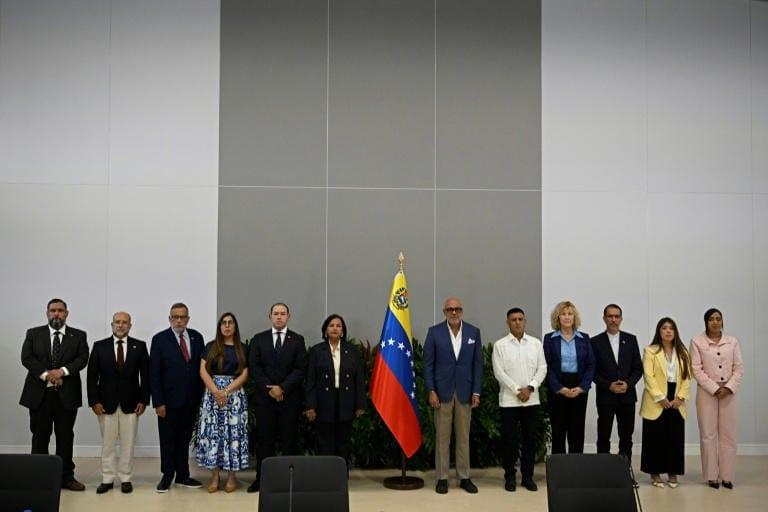
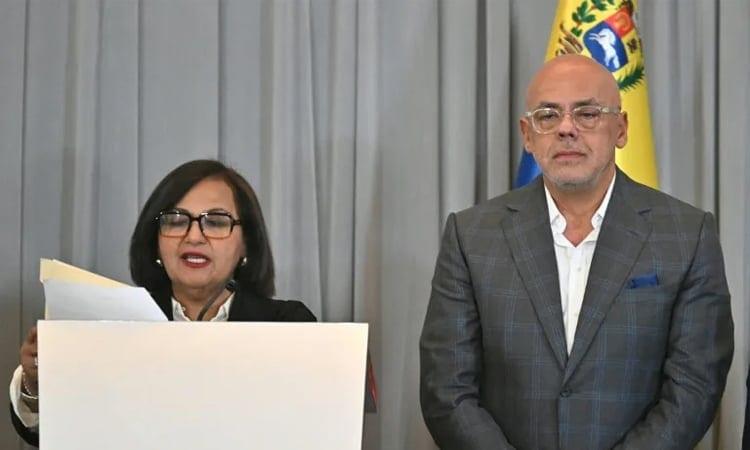
Interim president Delcy Rodriguez, who assumed power in January after the United States ousted Nicolas Maduro, has announced a plan to reopen the airport as soon as possible. The US temporarily supported Venezuela's air operations with technical and logistical assistance following the earthquakes. Cargo flights resumed on August 5, but there is no set date for the resumption of passenger flight operations.
Background and Context
Simon Bolivar International Airport is a critical hub for Venezuela, serving the capital city of Caracas. The twin earthquakes in June caused widespread destruction, impacting not only the airport but also the surrounding infrastructure and communities. The provisional terminals are a temporary solution to restore some level of airport functionality while permanent repairs are underway.
Why This Matters for Bangladesh
The situation in Venezuela highlights the importance of disaster preparedness and international cooperation in the face of natural disasters. For Bangladesh, a country prone to natural calamities like floods and cyclones, understanding how other nations manage post-disaster recovery can provide valuable insights. It underscores the need for robust infrastructure, international aid, and efficient disaster management strategies.