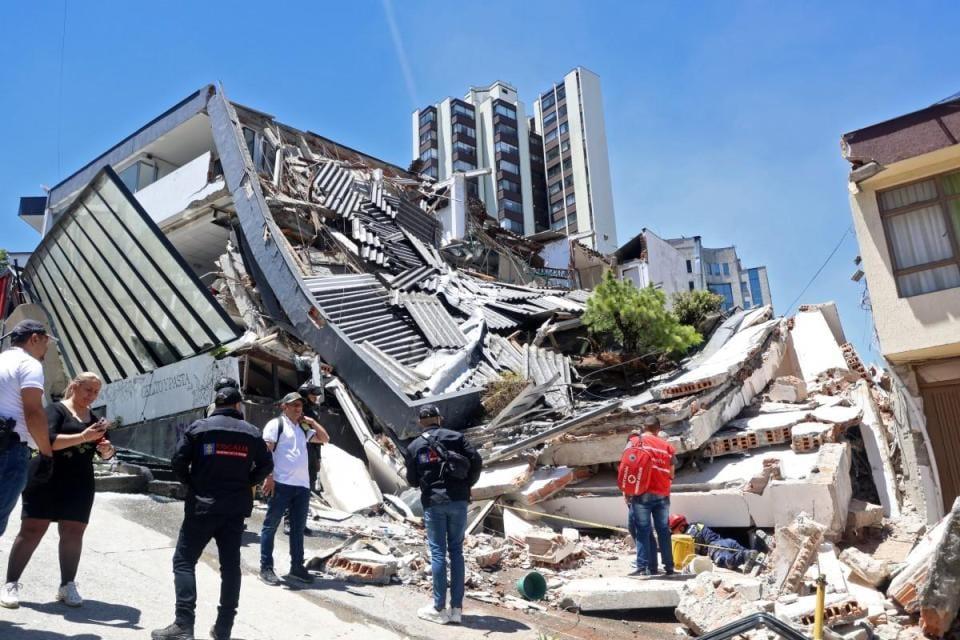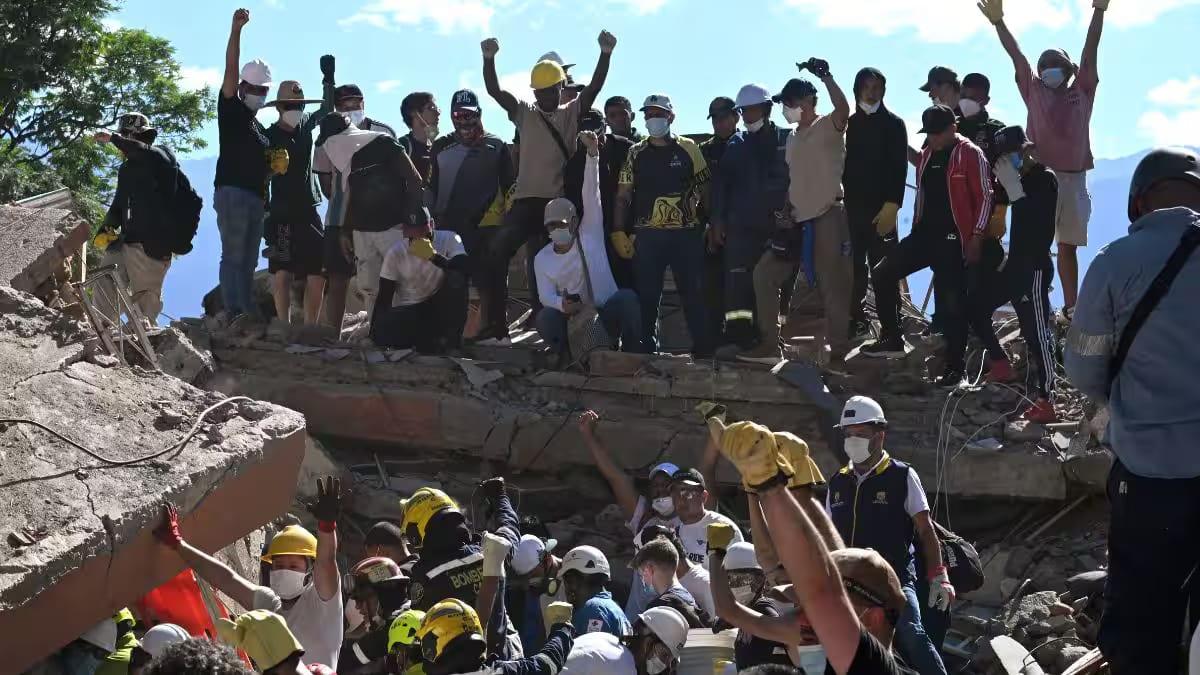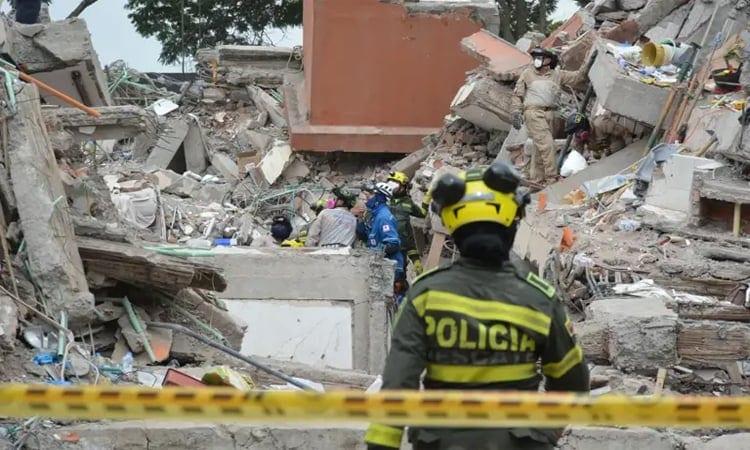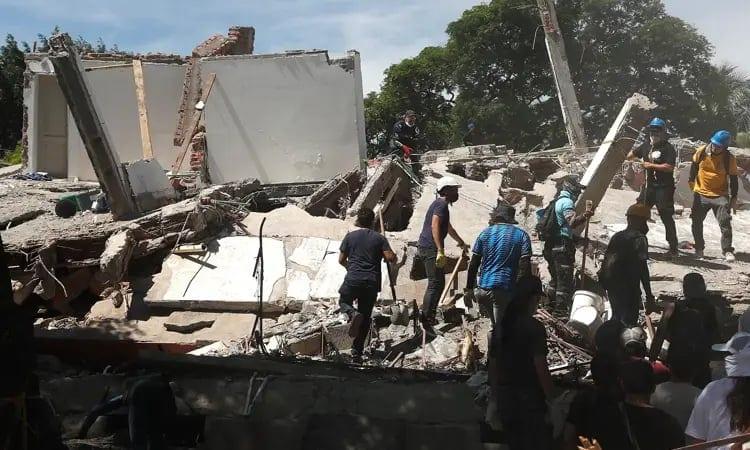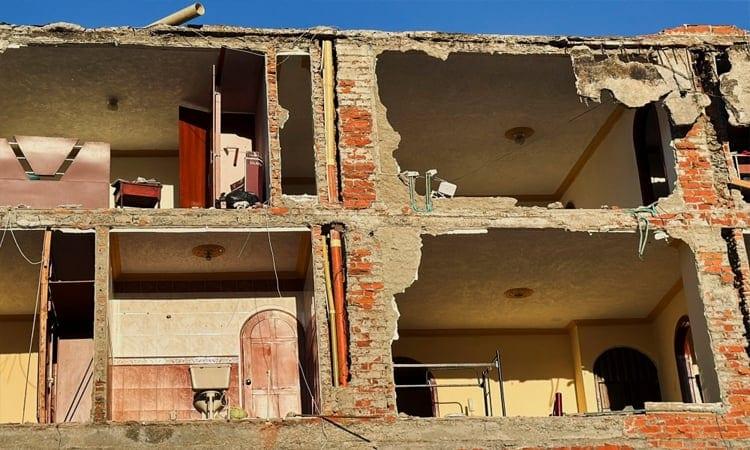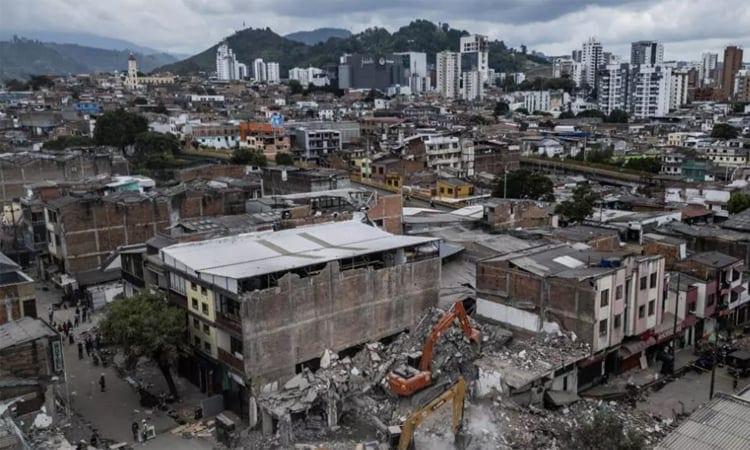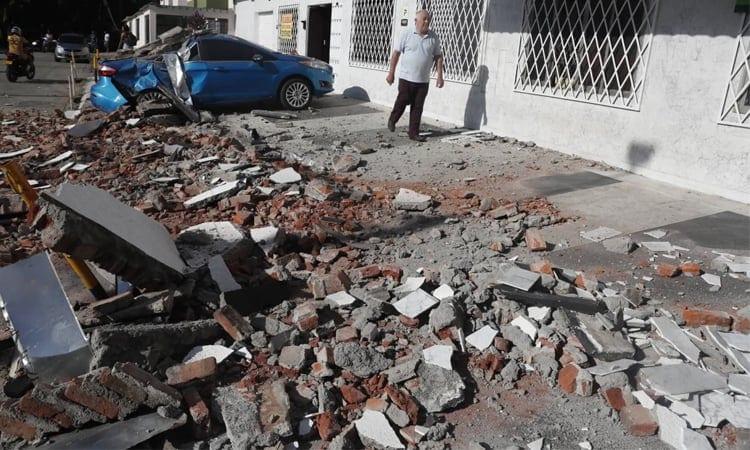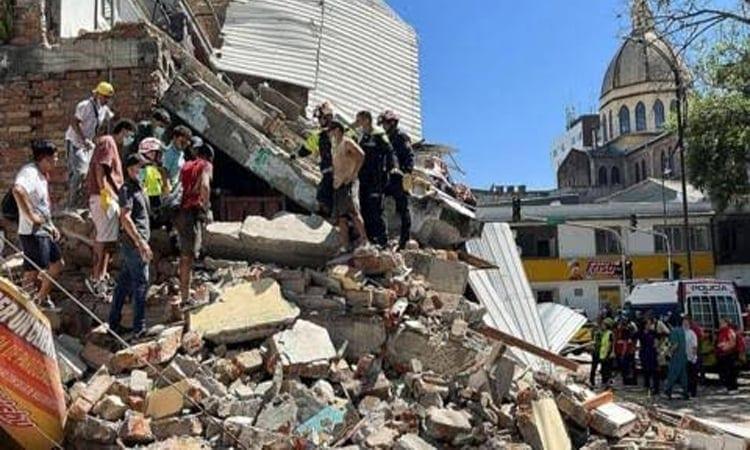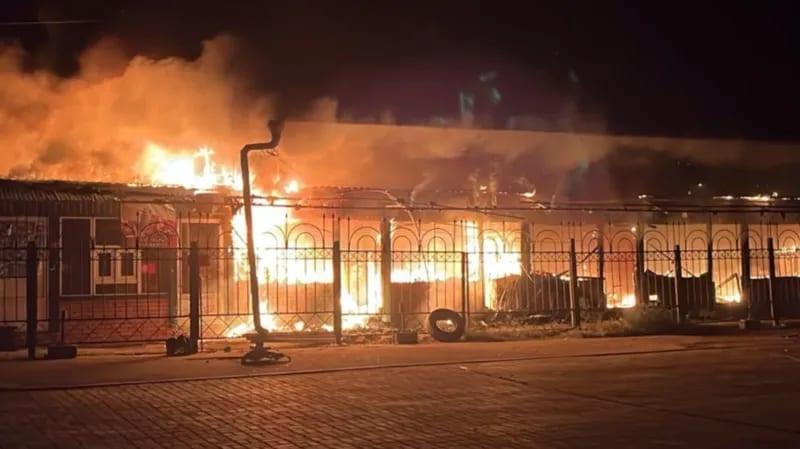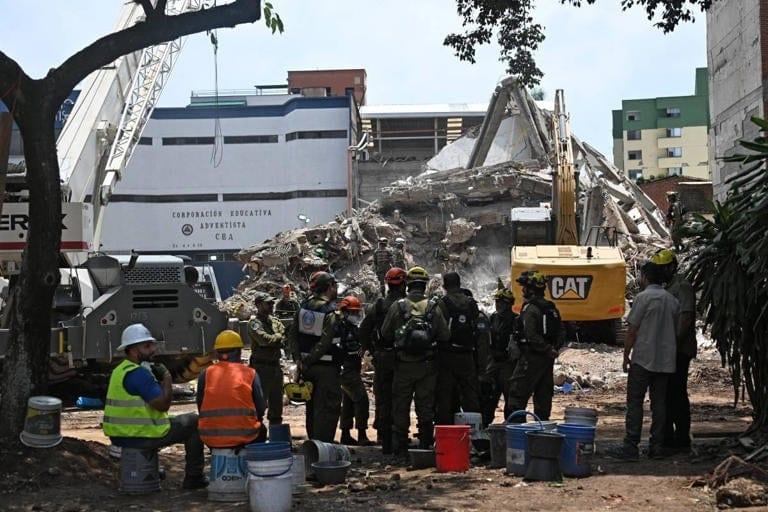
Colombia estimates that the powerful earthquake that struck western Colombia on August 10 has caused $9.57 billion in economic losses, according to President Abelardo de la Espriella. The 7.4-magnitude tremor, the most powerful in Colombia in nearly half a century, resulted in 289 deaths, 4,187 injuries, and 143 missing persons. Nearly 27,000 homes were destroyed, leaving many people homeless.
The earthquake has also damaged dozens of hospitals and schools, further complicating the humanitarian crisis. President de la Espriella, who took office just three days before the disaster, described the scale of the disaster as unimaginable. He has tasked his housing minister with launching a reconstruction plan, supported by the private sector, to rebuild the affected areas.
In response to the crisis, President de la Espriella has requested the United States temporarily suspend tariffs on Colombian goods to provide economic relief. Tariffs on Colombian imports rose from 10 percent to 12.5 percent in late July, excluding some signature exports such as oil and coffee. This request aims to ease the financial burden on the Colombian economy.
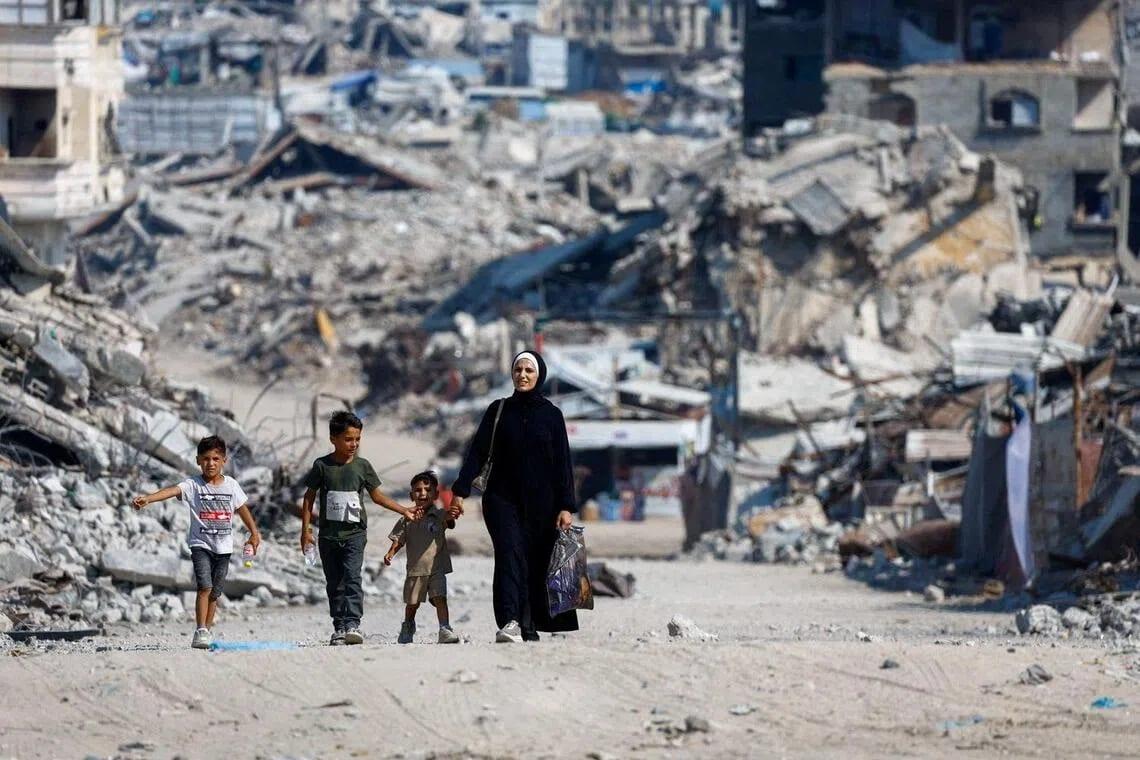
The earthquake has had a profound impact on the region, with many residents now living in temporary shelters such as public parks and streets. The destruction of critical infrastructure like hospitals and schools has disrupted essential services, adding to the challenges faced by the affected population.
President de la Espriella's quick response to the disaster highlights the urgency of the situation. His administration is working on a comprehensive plan to rebuild and support those affected by the earthquake. The international community, including the United States, is being called upon to assist in this recovery effort.
For Bangladesh, this disaster underscores the importance of preparedness and international cooperation in responding to natural calamities. The significant economic impact on Colombia serves as a reminder of the potential vulnerabilities faced by countries prone to such events.