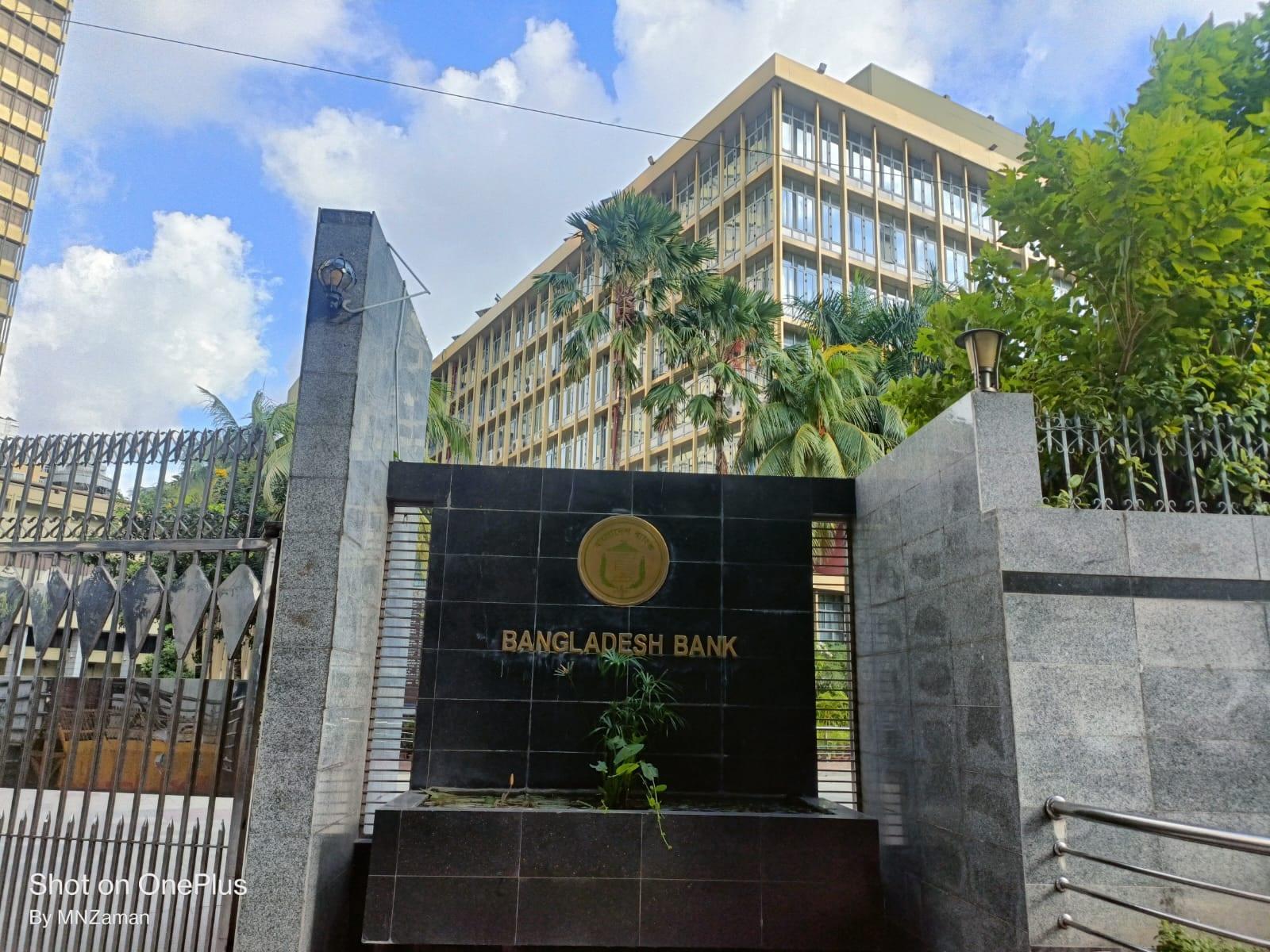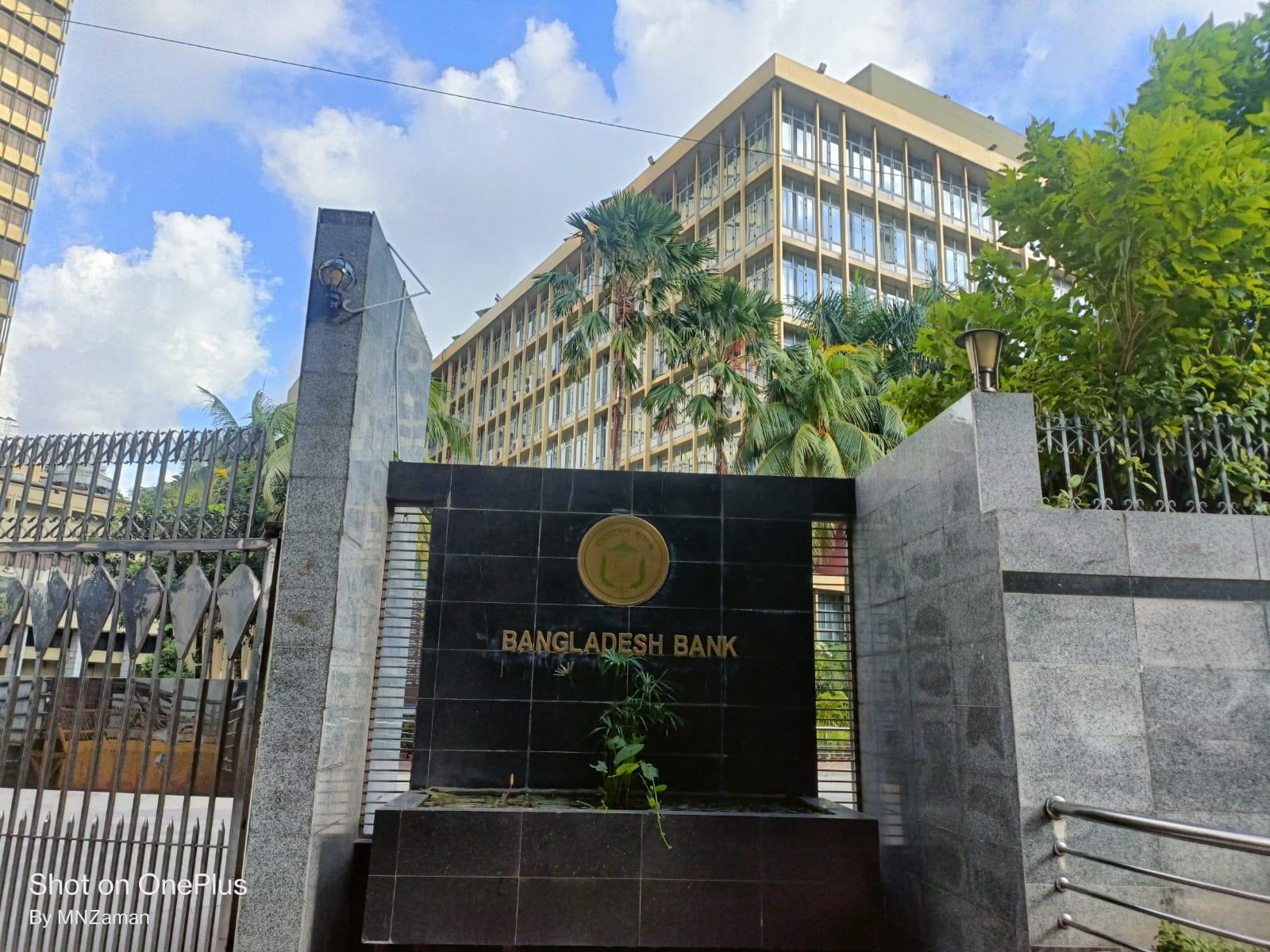
Bangladesh Bank (BB) has directed all scheduled banks to facilitate the opening of bank accounts for foreign nationals working in Bangladesh under Employment Visa categories, subject to fulfillment of applicable Know Your Customer (KYC) requirements. This directive applies to individuals holding 'A3' visas and other Employment Visa categories. Foreign nationals are now permitted to receive their salaries and allowances through these bank accounts. The move aligns with the Ministry of Home Affairs' April 19, 2026, circular, which mandates that foreign nationals under the 'A3' visa category obtain a work permit from the Bangladesh Investment Development Authority (BIDA) and renew it within its validity period.
Directive Details and Requirements
The BB circular, issued by the Banking Regulation and Policy Department-1, specifies that foreign nationals with valid work permits can open bank accounts. The terms and conditions of the work permit necessitate that salaries and allowances be paid through banks. This requirement extends to all Employment Visa categories. The directive is authorized under Section 45 of the Bank Company Act, 1991, and was communicated to the managing directors and chief executive officers of all scheduled banks.
Significance for Foreign Workers
This directive is significant for foreign nationals working in Bangladesh as it provides them with a formal and secure means to receive their earnings. It ensures compliance with legal requirements and facilitates easier financial management. The ability to open bank accounts also integrates foreign workers more fully into the local financial system, promoting economic stability and transparency.
Background and Context
The 'A3' visa category is specifically designed for foreign professionals and skilled workers coming to Bangladesh for employment. The requirement for a work permit from BIDA ensures that foreign nationals are legally authorized to work in the country. The BB's directive to facilitate bank accounts for these individuals is a logical extension of this regulatory framework, ensuring that their financial transactions are conducted through formal banking channels.