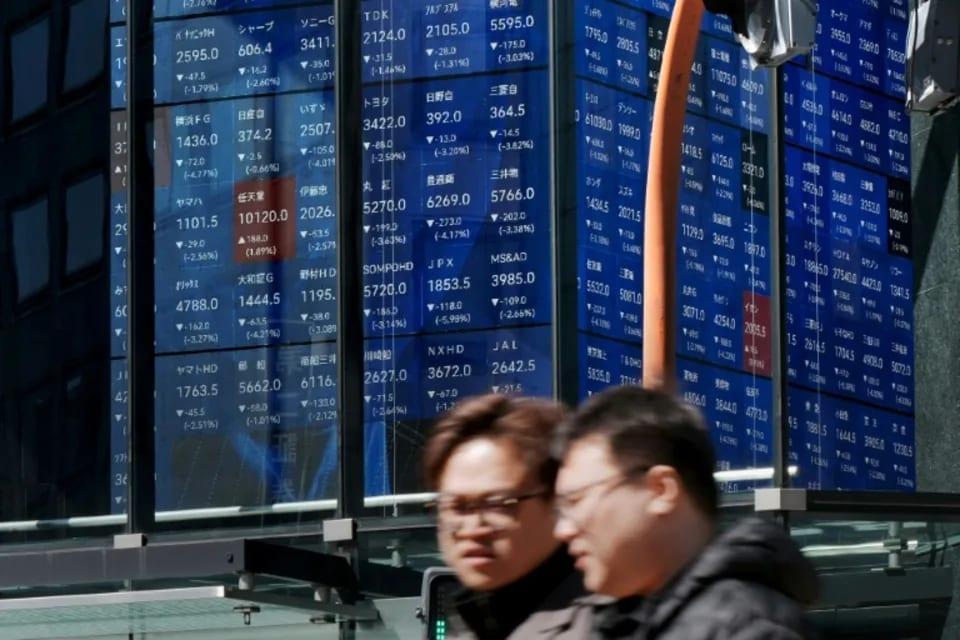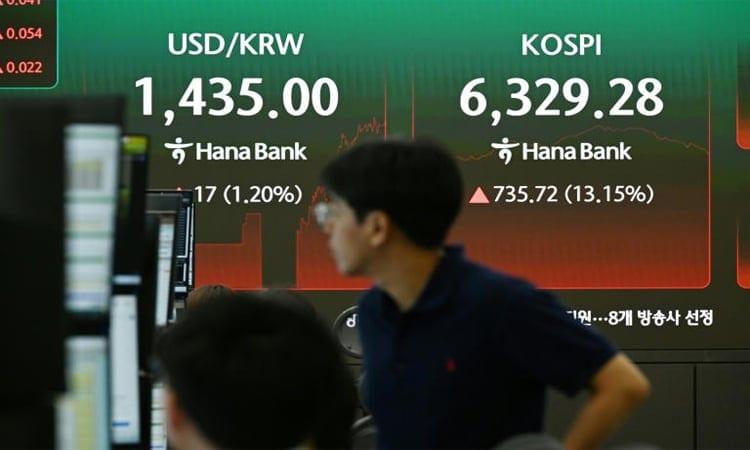
Asian stocks exhibited a mixed performance on Monday, following a retreat on Wall Street. Investors assessed fresh data that tempered expectations for a US interest rate hike but also indicated potential weakness in the world's top economy. The data included a softening labor market and easing inflation, though still above target levels, which initially boosted equities but later raised questions about the overall health of the economy.
Last week, hopes that the Federal Reserve would not tighten policy in September pushed the S&P 500 and Nasdaq to record highs. However, recent figures, such as a 0.6 percent drop in retail sales for July and a plunge in consumer sentiment, have led analysts to warn investors to be cautious. Fawad Razaqzada at Forex.com noted that the combination of weaker retail sales and consumer sentiment suggests that US economic momentum may be losing steam.
The probability of a Fed rate hike in September has dropped significantly, now standing at one in four, compared to a 50:50 chance last week, according to Bloomberg. This shift in expectations has influenced market behavior, with traders adopting a 'bad news is good news' approach. However, the upcoming earnings reports from retail giants Walmart, Home Depot, and Target are expected to provide further insights into consumer sentiment and economic health.
Despite growing concerns about the US economy, Asian investors showed a more positive approach, particularly in the tech sector, which saw a recovery from July's selloff. Hong Kong's market was lifted by tech giants Alibaba, Tencent, and JD.com, while Shanghai and Taipei also saw gains. Tokyo's market remained flat, though chipmaker Kioxia and other tech firms experienced significant increases.
The dollar continued to lose ground against its peers after Friday's drop in reaction to the latest economic data. Meanwhile, oil prices extended Friday's gains as tensions between the US and Iran over the Strait of Hormuz showed no signs of easing. Iranian Deputy Foreign Minister Kazem Gharibabadi reaffirmed Iran's control over the strait, stating it would remain under Iranian command. Analysts warn that the ongoing crisis could keep oil prices elevated and add pressure to inflation.