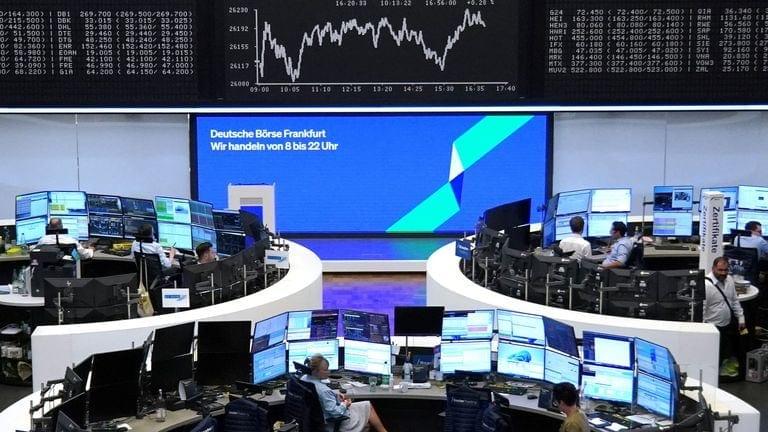
On August 9, 2026, the Dhaka Stock Exchange (DSE) experienced a second consecutive session of decline, with the DSEX broad index falling 38.6 points to close at 5,822. This downturn follows a persistent selling pressure that began in the previous session, driven by widespread profit-taking. The market's turnover also dropped significantly by 16 percent to Taka 9.6 billion, signaling a decline in trading activity.
The textile sector dominated the day's trading volume, accounting for 21.7 percent, followed by general insurance and engineering sectors. Most sectors ended the session in negative territory, with mutual fund stocks seeing the highest correction at 3.4 percent. Despite the overall bearish trend, a few sectors managed to post gains, including paper stocks which saw an increase of 1.0 percent.
The Chittagong Stock Exchange (CSE) mirrored the downward trend of the DSE, with its Selective Categories' Index (CSCX) and All Share Price Index (CASPI) declining by 59.3 points and 107.0 points respectively. The market's bearish sentiment was also influenced by investors shifting their focus towards smaller-cap and momentum-driven stocks.
The lack of strong catalysts to sustain positive momentum has left investors cautious, leading to a broad-based correction. The market's weak performance reflects a broader trend where investors are hesitant to commit to major indices due to uncertain market conditions.
Among the 396 issues traded on the DSE, only 77 managed to advance, while 284 declined, and 34 remained unchanged. The volatility in the market highlights the need for investors to closely monitor market movements and sector performances to make informed decisions.
As the market continues to grapple with investor uncertainty, it remains to be seen whether the recent trend will be reversed in the coming sessions. The next few trading days will be crucial in determining the future direction of the stock market.