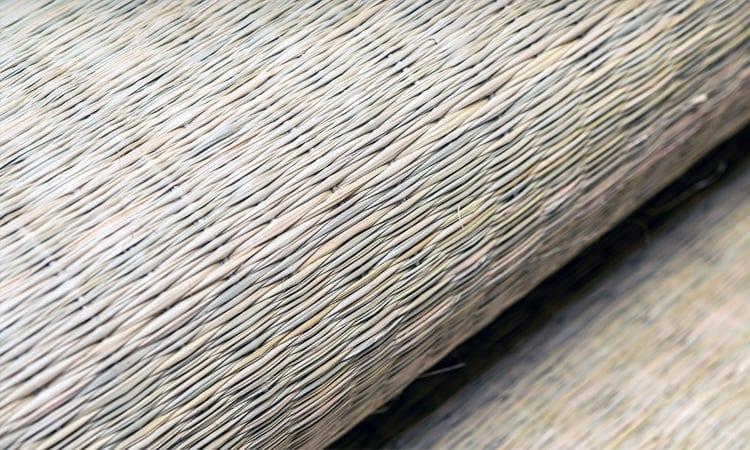
The traditional Madur or Mat-weaving industry, an eco-friendly craft rooted in Khulna's Satkhira district, is on the verge of extinction. This decline is driven by the high cost of raw materials and the widespread adoption of cheap plastic alternatives. Weavers, predominantly women, are being compelled to abandon their craft due to these challenges.
Challenges Facing the Industry
The primary raw material for these mats, Mele grass (madurkathi), has become increasingly scarce and expensive. Additionally, the surge in popularity of foam mattresses, bed sheets, and plastic mats has significantly reduced consumer demand for traditional mats. Local weavers are now seeking government intervention, including institutional aid, government sponsorship, and low-interest loans, to revive mele grass cultivation and preserve this heritage craft.
Historical Significance and Current Struggles
Satkhira district, particularly the unions of Barodal, Kullya, and Kadakati in Ashasuni upazila, was once a thriving hub for the Mat-weaving industry. The locally produced mats were sold in large rural markets like Barodhal and Badhuhata. However, the industry has seen a drastic decline as more people opt for modern bedding solutions. Currently, only a handful of families continue the tradition, struggling with low profit margins and high production costs.
Craftsmen like Sudir Mondal from Barodal village report that the profit from selling a small mat is minimal, often not exceeding Taka 100-150, despite a production cost of Taka 200-250. Larger mats fare slightly better but still face stiff competition from cheaper plastic alternatives. The scarcity and high price of mele grass further exacerbate the situation, making it difficult for weavers to sustain their livelihoods.