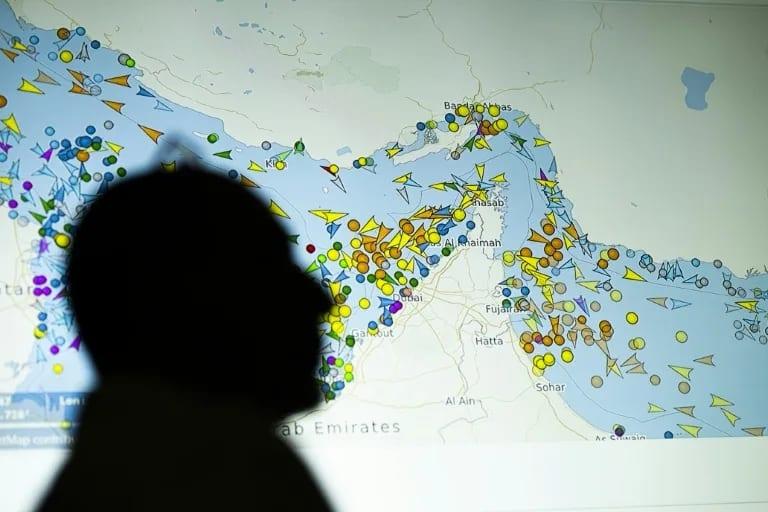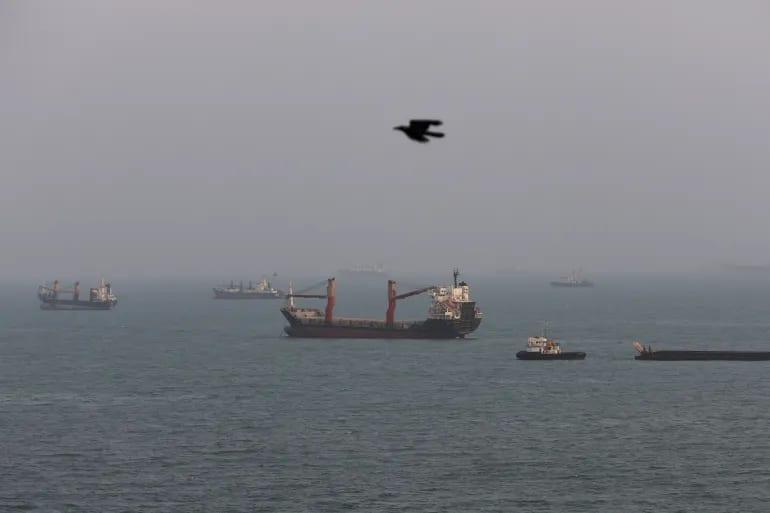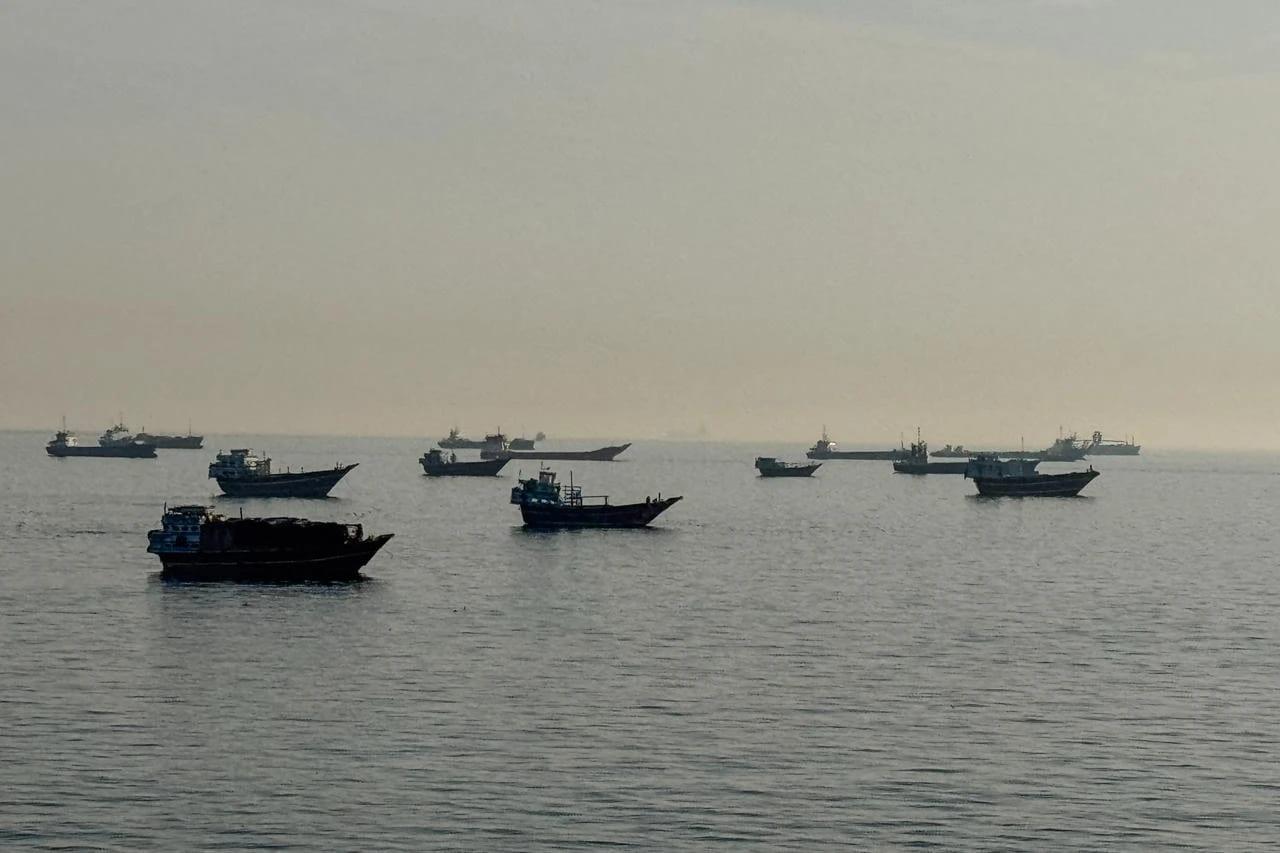
Iran has outlined stringent demands for reopening the Strait of Hormuz, a critical global shipping route that has been effectively blocked since February. Tehran is seeking compensation for war damages, an end to the US and Israeli 'war and aggression' against Iran and its allies, the lifting of a parallel US naval blockade, the end of sanctions, the release of frozen assets, and compensation for wartime damage.
What are Iran's demands for reopening the Strait of Hormuz?
{"question":"What are the key demands Iran has set for reopening the Strait of Hormuz?","answer":"Iran's demands include compensation for war damages, an end to the US and Israeli 'war and aggression' against Iran and its allies, the lifting of a parallel US naval blockade, the end of sanctions, the release of frozen assets, and compensation for wartime damage."}
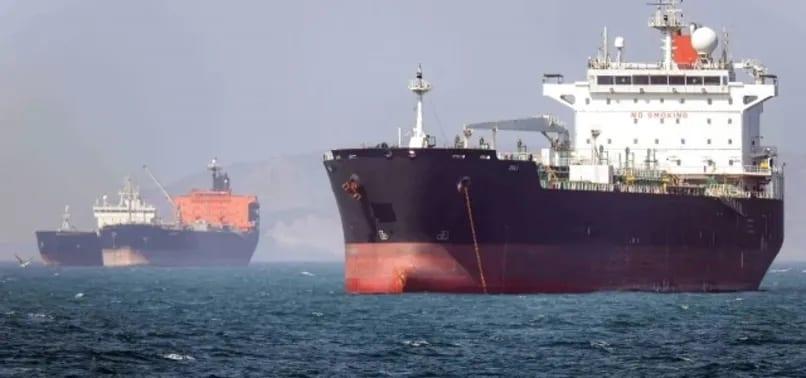
{"question":"Has Iran targeted any ships in the Strait of Hormuz recently?","answer":"Yes, Iran has targeted ships it accuses of skirting its preferred route through Iranian waters, including a recent attack on a tanker belonging to ADNOC (Abu Dhabi National Oil Company)."}
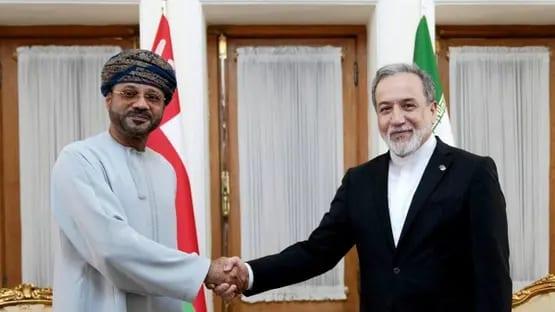
{"question":"What is the international community's response to Iran's demands?","answer":"The United Arab Emirates and Oman have condemned recent attacks on vessels in the Strait of Hormuz. Oman is engaged in ongoing negotiations with Iran regarding navigation arrangements, while the UKMTO reported a ship was hit by a projectile off Oman in the Strait of Hormuz."}
{"question":"What is the significance of the Strait of Hormuz for global trade?","answer":"The Strait of Hormuz is a critical global shipping route, with a significant portion of the world's oil passing through it. Its blockage has major implications for the global economy."}