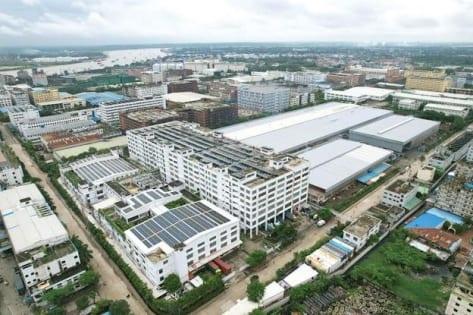
Karnaphuli Export Processing Zone (KEPZ) has celebrated two decades of its existence, contributing significantly to Bangladesh's export-oriented industrialization. Over the past 20 years, KEPZ has facilitated the export of 'Made in Bangladesh' products valued at over $14 billion. The journey began with the first export in November 2007 by Paolo Footwear (BD) Ltd, valued at $9.86 million in the fiscal year 2007-08, and is projected to reach $14,156.46 million by the end of August 2026.
From Steel Mill to Industrial Zone
KEPZ was established on the premises of the now-defunct Chittagong Steel Mills (CSM). Once a thriving steel mill, CSM faced significant damage during the 1991 cyclone and gradually declined due to global market competition, outdated technology, and increasing production costs. In 1998, the mill was placed under 'lay-off,' and operations permanently ceased on July 7, 1999.
To address the resulting job losses, Amir Khasru Mahmud Chowdhury, then Commerce Minister and current Finance Minister, advocated for transforming the steel mill site into an Export Processing Zone (EPZ). The land was transferred to BEPZA in two phases in 2004, leading to the establishment of KEPZ on September 12, 2006, by then-Prime Minister Begum Khaleda Zia.
Economic Impact and Industrial Growth
KEPZ has attracted investors from 14 different countries, including China, Taiwan, Hong Kong, South Korea, India, Sri Lanka, Japan, the United Kingdom, the United States, the Netherlands, and Malaysia. The zone began operations in the fiscal year 2006-07 with an initial investment of US$ 1.91 million, which escalated to US$ 787.33 million by August 2026.
Currently, 40 enterprises operate within KEPZ, including 29 foreign-owned, three joint ventures, and eight domestically owned. The zone has created direct employment for approximately 80,000 workers and indirectly provided jobs for around 100,000 additional individuals.
Diversified Export Portfolio
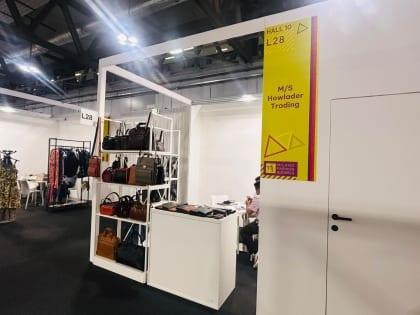
KEPZ exports a variety of products beyond apparel, including tents and camping equipment, bicycles, leather goods, furniture, bags, undergarments, as well as fashion and safety wear. These products are supplied to prestigious global brands and buying houses, enhancing the diversity of Bangladesh's export portfolio.