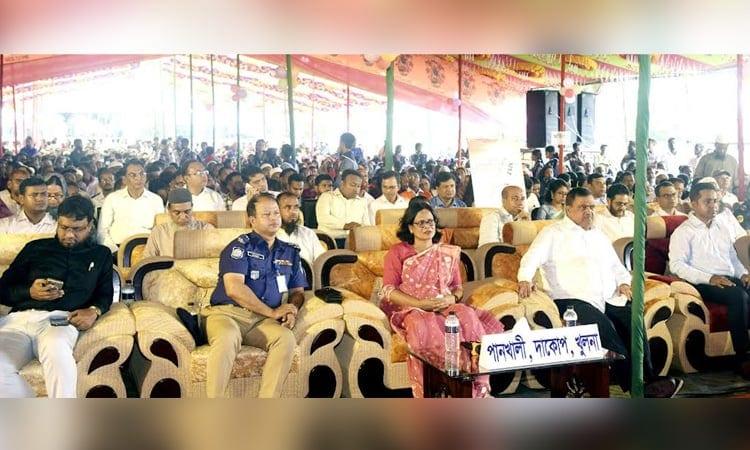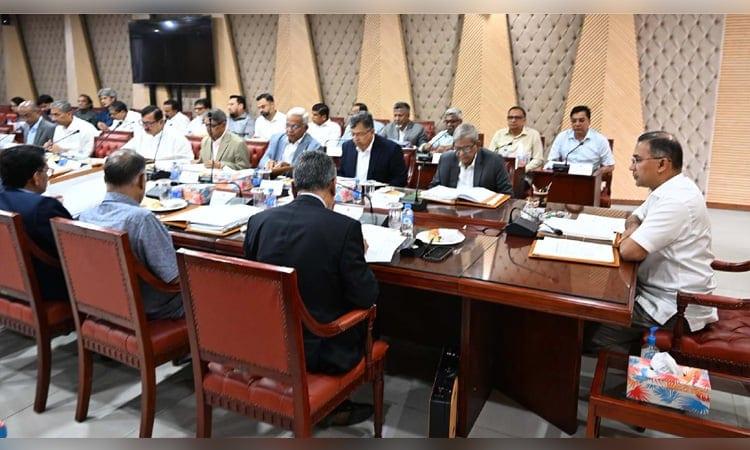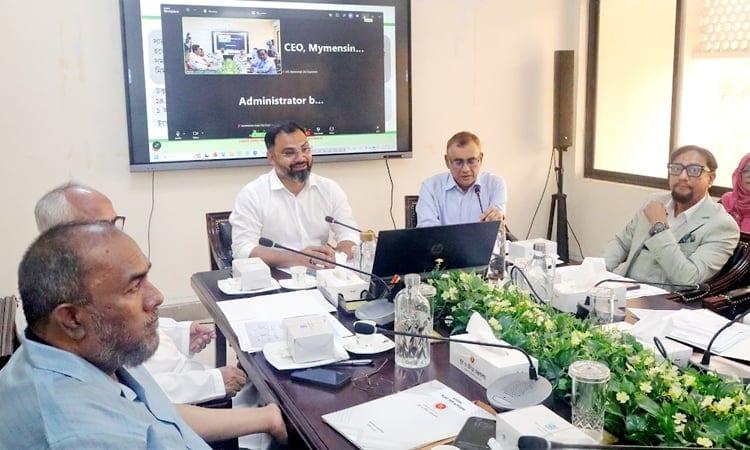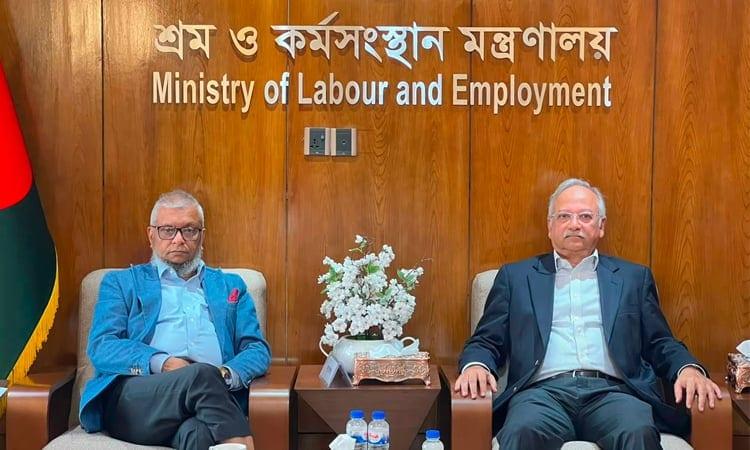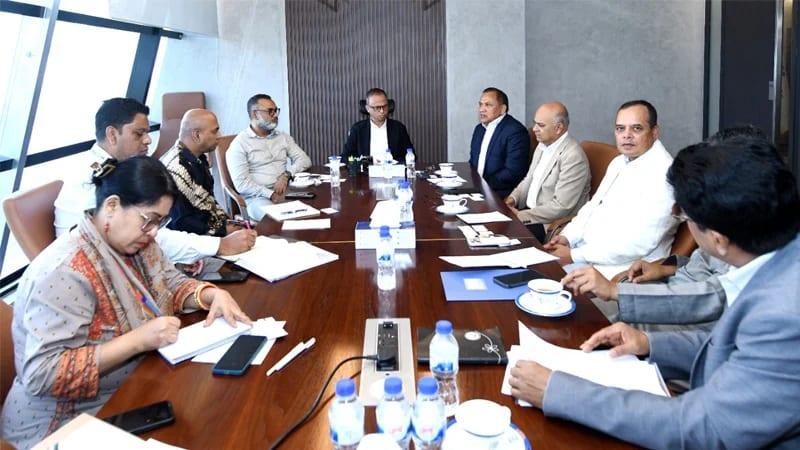
The Bangladesh Garment Manufacturers and Exporters Association (BGMEA) and the Bangladesh Economic Zones Investors Association (BEZIA) held a high-level meeting today to discuss ways to accelerate fresh investment in economic zones and address existing infrastructural and policy-related challenges faced by investors. The meeting, held at the BGMEA Complex in Uttara, aimed to find solutions to the delays and uncertainties investors are experiencing.
Current Challenges and Demands
BEZIA President M A Jabbar highlighted that many entrepreneurs have paid substantial amounts for plots but face uncertainty due to delays in infrastructure and utility development. Currently, only 27 enterprises are in production on around 39,000 acres of land across five zones, with only 37 percent of the total allocated land operational. The meeting stressed the need for uninterrupted gas and industrial water supplies and called for joint advocacy against additional service charges before factories become fully operational.
Key Policy Issues and Future Collaboration
The two organisations agreed to jointly raise several key policy issues with the government to ensure a more investment-friendly environment. Major demands included a complete waiver of BEZA-imposed service charges on utility bills until uninterrupted utility supply is ensured, and the introduction of sector-wise equivalent cash incentives for investors within economic zones. They also sought the elimination of double taxation and a full VAT exemption on lease tariffs. Additionally, the meeting emphasised the importance of making 99-year lease mutations bankable and ensuring the effective implementation of one-stop services in economic zones.
M A Jabbar noted that there are 41 BGMEA unit investors in the National Special Economic Zone in Mirsarai, Chattogram, and invited BGMEA to nominate a representative to the BEZIA Board of Directors to further strengthen coordination. BGMEA President Mahmud Hasan Khan welcomed the proposal and promised to nominate a suitable representative at the earliest. The leaders expressed optimism that their joint policy advocacy would encourage the Bangladesh Economic Zones Authority (BEZA) to take prompt measures to resolve infrastructural and policy complexities.