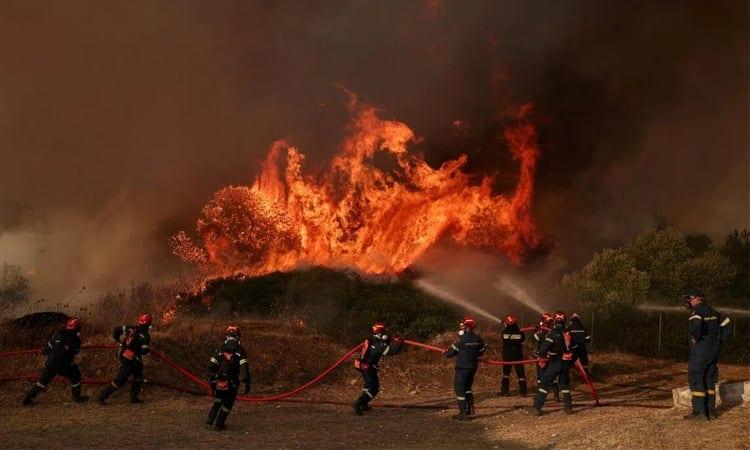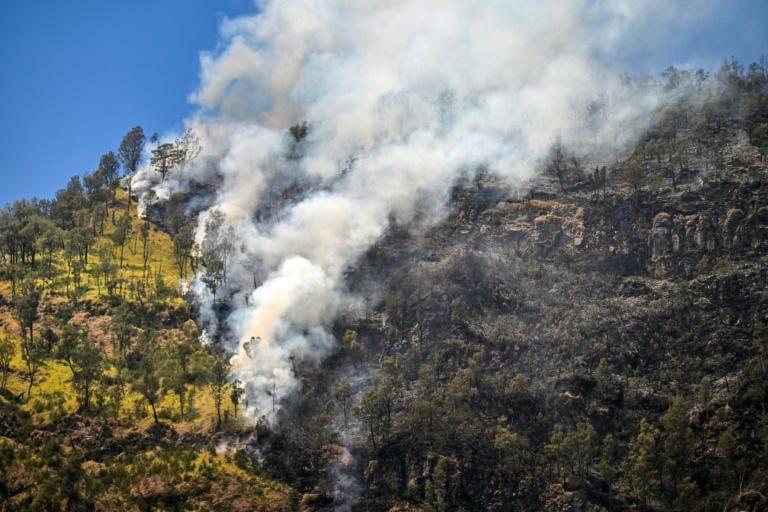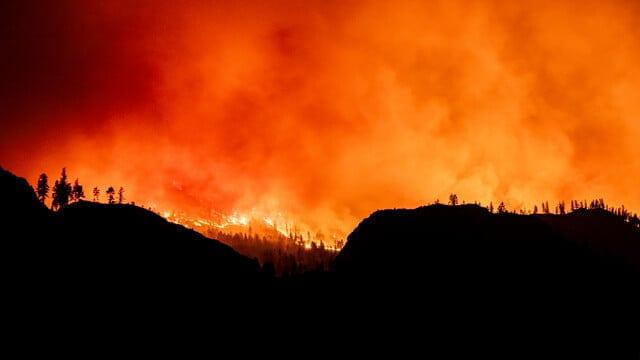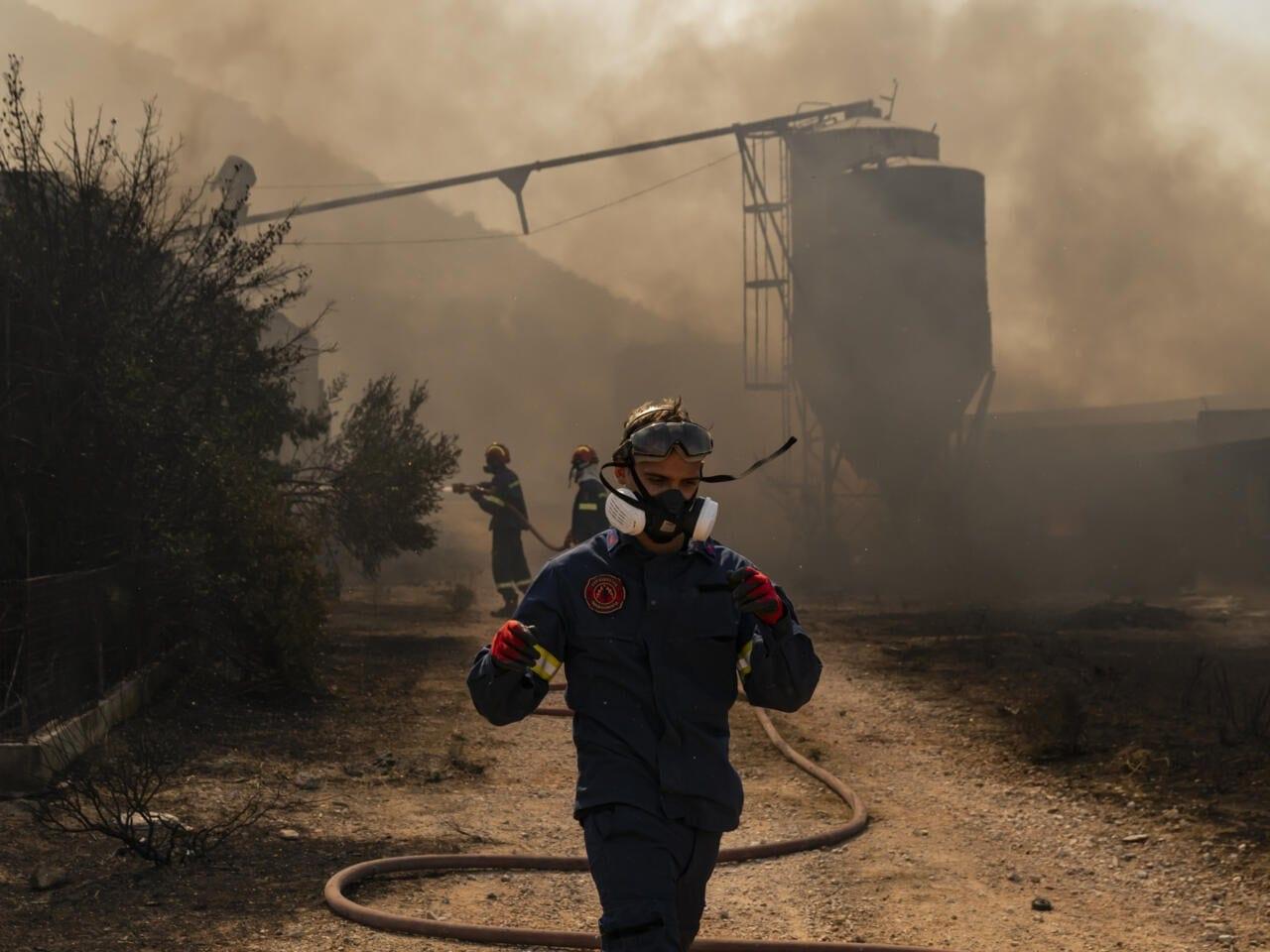
A fierce wildfire fueled by strong winds broke out near Athens on Monday, but has now been brought under control by firefighters. The blaze, which started around 8:00 am local time in Kouvaras, 60 kilometers southeast of Athens, was fed by gusts exceeding 70 kilometers per hour. Authorities deployed nearly 200 firefighters, 40 vehicles, two water bombing planes, and four helicopters to combat the flames. The situation improved significantly by early afternoon, with no active fronts remaining, though firefighters are still on high alert due to the ongoing high temperatures and strong winds.
The fire destroyed a warehouse of a livestock farm and caused the evacuation of several residential areas. This is the second fire in the Athens area this summer, following a major blaze that occurred 10 days ago northwest of the capital, destroying over 11,000 hectares of pine forests and farmland. Greece, like much of the Mediterranean, faces increasing wildfire risks linked to climate change, with temperatures reaching up to 37°C in the Attica region. The country remains on maximum alert, with several regions classified at a very high fire risk.
From 2017 to 2026, 42 percent of the total forest area in the Attica region burned due to 15 major fires. Experts warn that the severity of these fires is increasing, posing a significant threat to the region's ecosystems and communities. While the immediate danger has been mitigated, the ongoing fire risk highlights the broader challenges of climate change and the need for robust preventive measures.
For Bangladesh, these events underscore the global nature of climate-related challenges. As wildfires become more frequent and severe in various parts of the world, they also bring attention to the interconnected nature of environmental issues, which can have far-reaching impacts across different regions.