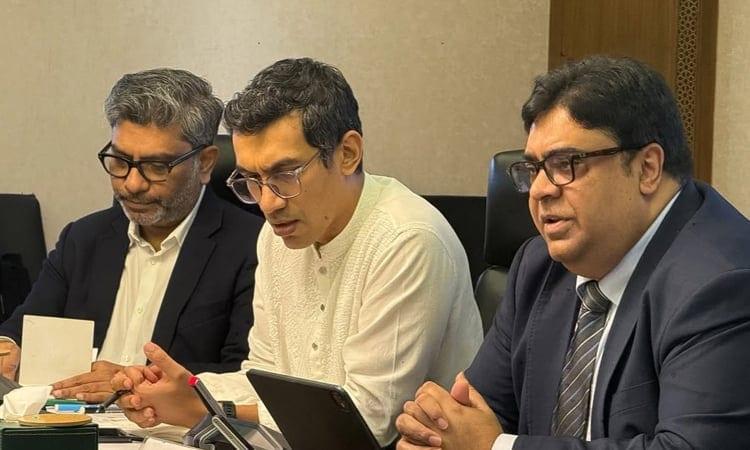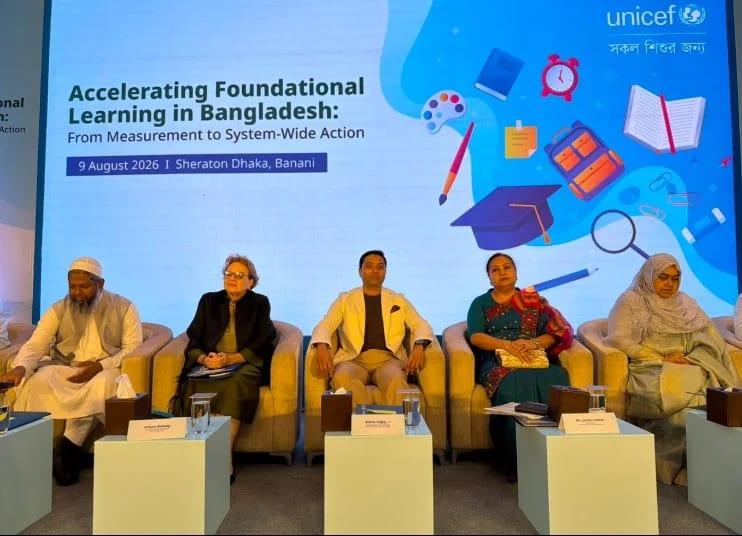
The Government of Bangladesh has placed the implementation of business reforms at the forefront to enhance the investment climate following the country's graduation from Least Developed Country (LDC) status. The 16th meeting of the Private Sector Development Policy Coordination Committee (PSDPCC), held at the Prime Minister’s Office (PMO), emphasized the urgent need to accelerate the implementation of reforms proposed and agreed upon in previous meetings. The meeting, chaired by Principal Secretary to the Prime Minister ABM Abdus Sattar, brought together senior government officials and private sector representatives to discuss key reform areas.
Urgent Reform Implementation
The Principal Secretary stressed the importance of conducting necessary pre-work and preparatory analysis on reforms before presenting them to the highest level, aiming to reduce decision-making time. He suggested reviewing and strengthening the Committee’s membership by bringing in new members with relevant expertise. The meeting acknowledged BUILD’s role as a Public-Private Dialogue platform and noted that while recommendations are formulated through PPD, implementation rests with relevant government institutions.
Core Reform Agendas
Finance Secretary Dr. Md. Khairuzzaman Mozumder highlighted the importance of deregulation, regulatory simplification, and reducing the cost of doing business. Ahsan Habib, Acting Chairman of NBR, reported on partial exporter import provisions and the establishment of a Free Trade Zone. Ferdaus Ara Begum, CEO of BUILD, presented on the activities of PSDPCC and the broader Public-Private Dialogue platform, outlining core agendas on deregulation and ease of doing business.
Sector-Specific Reforms
A major focus of the meeting was the leather sector and the draft Export Roadmap prepared by BUILD. Md. Nurruzzaman, Additional Secretary, Ministry of Industries, acknowledged design deficiencies in the CETP and noted that an Italian consultant and a Dhaka University expert are examining the issue. Regarding Tannery Solid Waste management, Dr. Fahmida Khanam, Acting Secretary, Ministry of Environment, Forest and Climate Change, identified hazardous chrome separation as a key challenge. Mohammad Abdur Rouf, Secretary, Bridges Division, emphasized compliance in CETP maintenance and the need to strengthen Qurbani raw hide storage infrastructure.
Renewable Energy and Digital Commerce
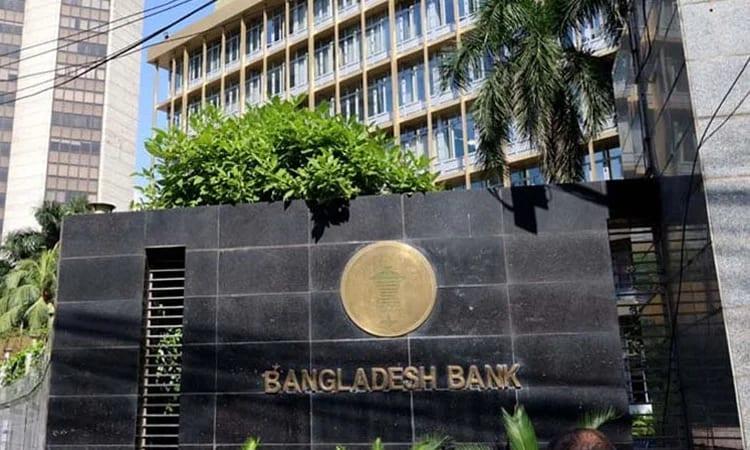
Kazi Emdadul Haque, Director General, BSTI, informed that standards for 39 solar products were developed, proposing four products for the Import Policy 2026–2029. Md. Sabur Hossein, Additional Secretary, Energy Division, requested policy support for domestic solar producers. Regarding Cross-Border Digital Commerce, Dr. Md. Habibur Rahman, Deputy Governor of Bangladesh Bank, stated that payment aggregator platform EkPay is under development. The Principal Secretary recommended introducing a five-year, fully digitalized trade license with a single simplified tax rate based on business size.