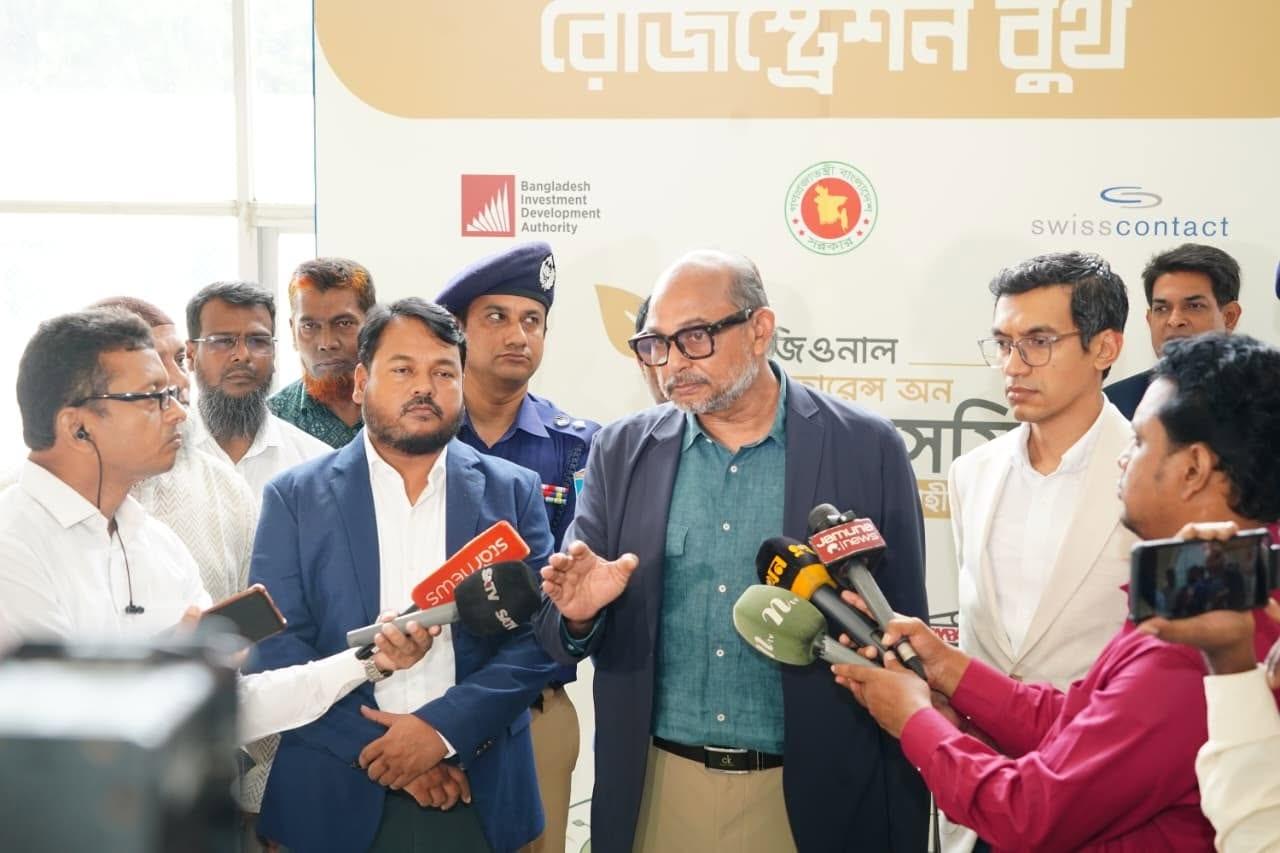
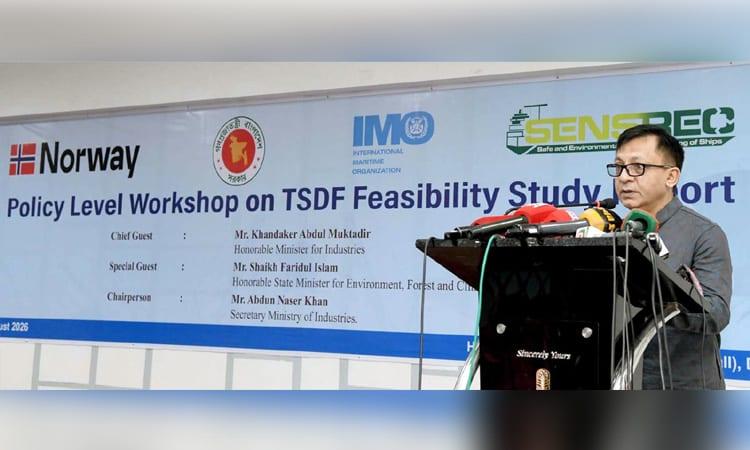
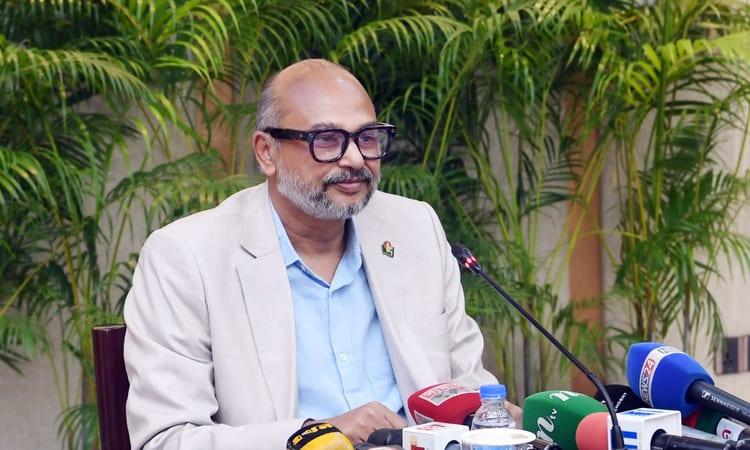
Commerce Minister Khandakar Abdul Muktadir announced today that the government is developing an integrated reform plan to revive Bangladesh's leather industry and restore its position in the global market. The strategy includes reforming the tannery sector, attracting fresh investment, and ensuring internationally compliant production systems.
Relocation and Compliance
Muktadir acknowledged that the decision to relocate tanneries from Hazaribagh to Hemayetpur in Savar was correct but criticized the weaknesses in its implementation and management, which caused significant losses to the industry. He emphasized that 100 percent compliance in tannery operations would be mandatory in the future, and obtaining Leather Working Group (LWG) certification would be compulsory to enhance acceptance in international markets.
Investment and Market Expansion
The government aims to provide a 'graceful exit' for current investors who are unable or unwilling to make further investments, thereby creating space for new entrepreneurs. Instead of exporting raw hides, the focus will be on promoting domestic processing and exporting high-value leather goods like footwear and bags to build a 'Bangladesh Leather' brand.
Regarding the Central Effluent Treatment Plant (CETP) at Savar, Muktadir said initiatives have been taken to construct a new world-class CETP, and renovation of the existing one is also being considered. Large tanneries will be required to install their own effluent treatment plants (ETPs), while smaller tanneries will coordinate with the central CETP system.
To expand markets for leather and leather goods, the government is taking initiatives to enhance trade facilities with Japan, South Korea, and European countries. Plans are also in place to encourage major leather industry companies from Spain and Italy to invest in Bangladesh. A skills and design development center in Savar is planned to be launched by 2027.
The minister assured that the government aims to bring the leather sector back to a strong position in the global market by improving skills, strengthening design capabilities, promoting environment-friendly production, facilitating investment, installing ETPs, and resolving complexities related to bonded facilities.