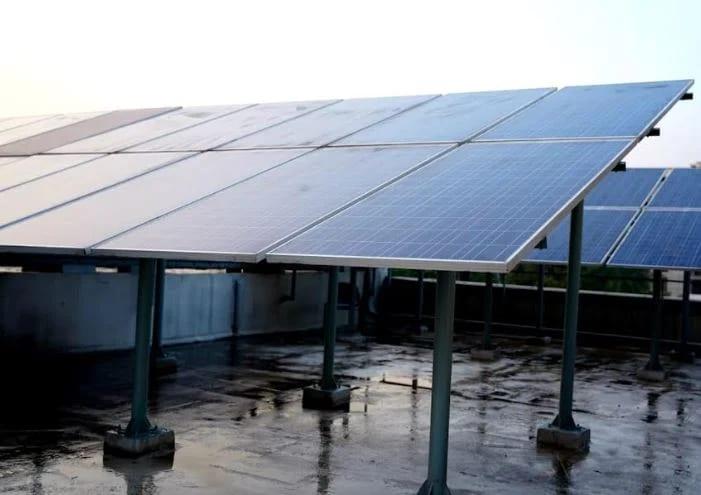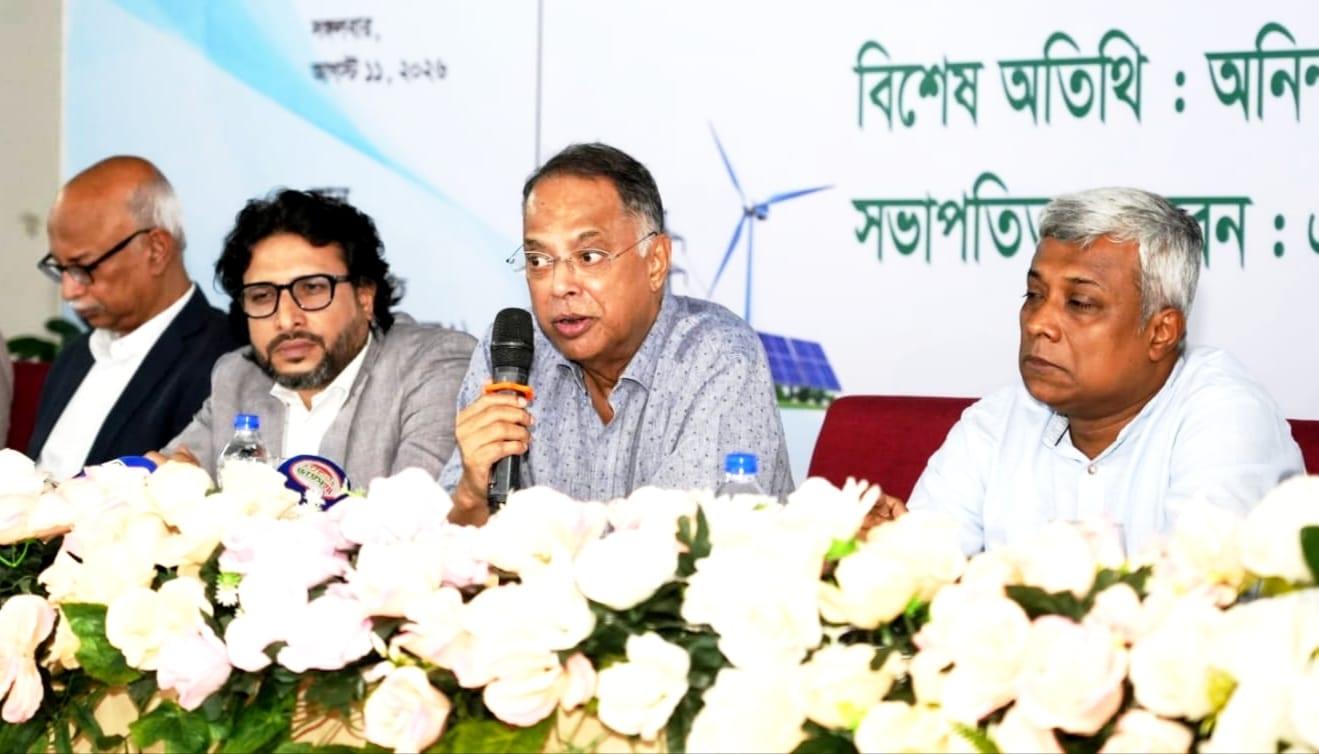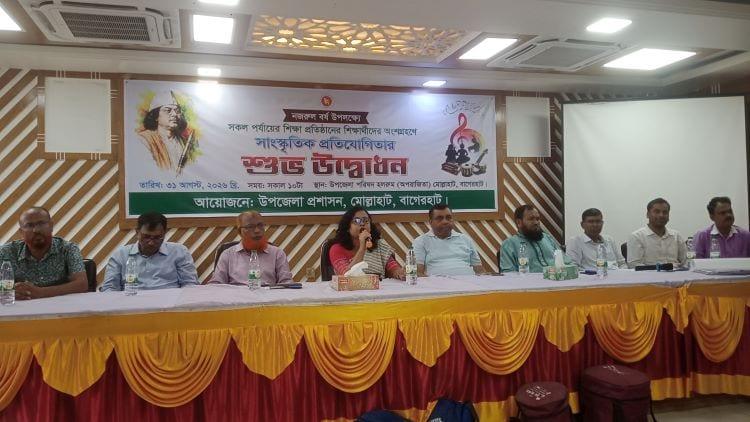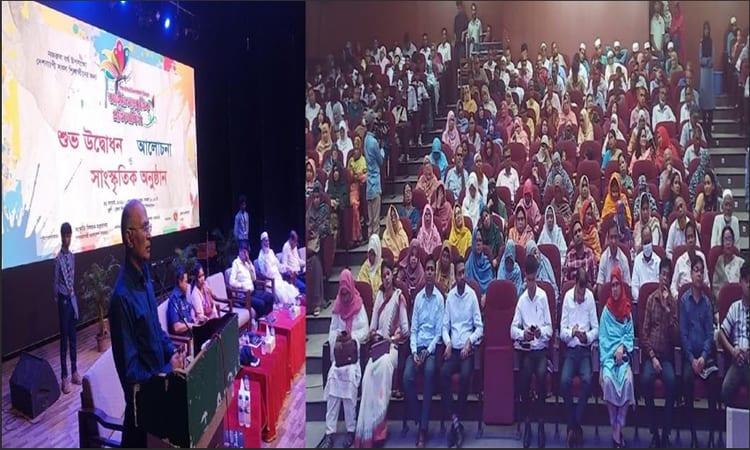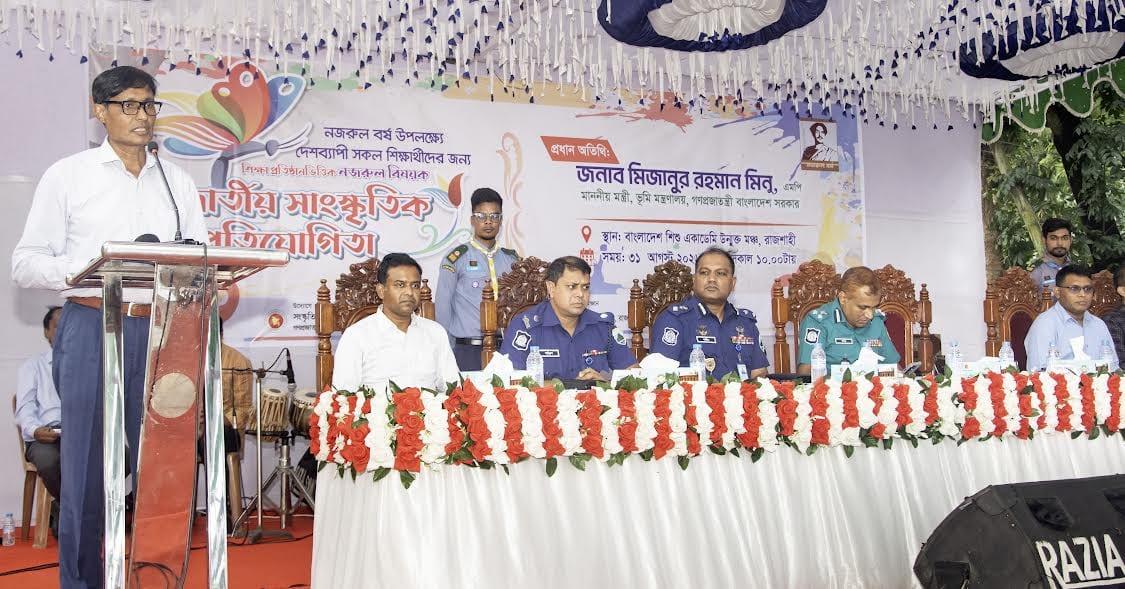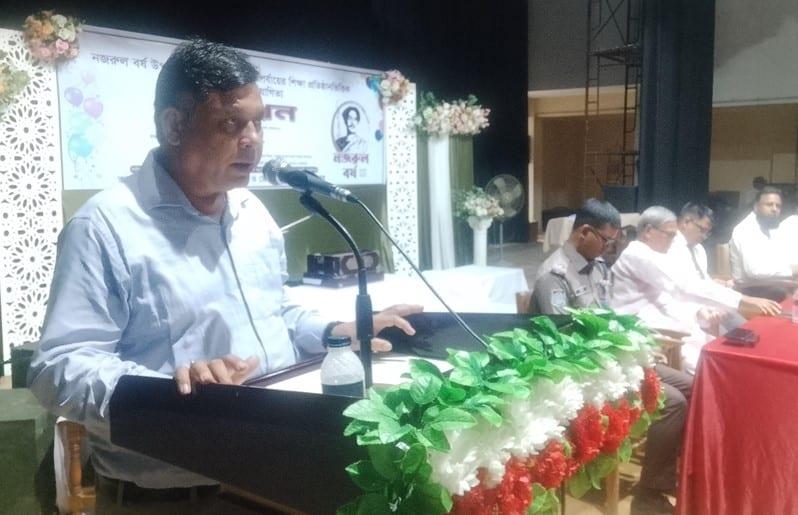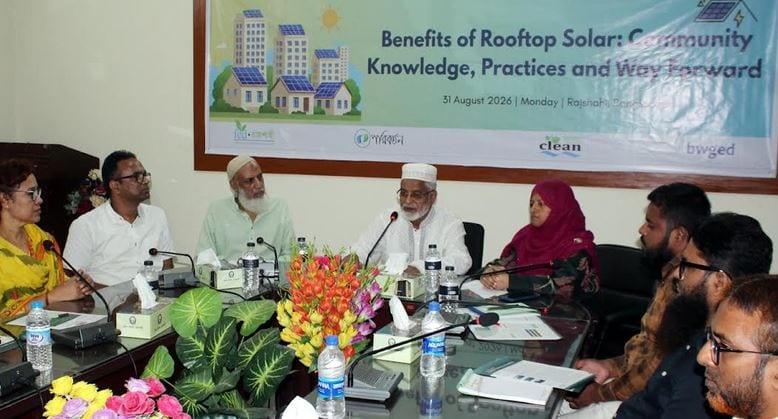
A workshop held in Rajshahi underscored the importance of raising public awareness and providing technical support to increase the use of rooftop solar power in Bangladesh. The event, titled 'Benefits of Rooftop Solar Power: Public Knowledge, Practical Application and What Needs to be Done,' was jointly organized by Poriborton, Coastal Livelihood and Environmental Action Network (CLEAN), and Bangladesh Working Group on Ecology and Development (BWGED). The workshop aimed to address the energy crisis, reduce electricity costs, and promote sustainable urbanization through the adoption of rooftop solar power.
The workshop presented findings from a research survey conducted across 10 local government areas, including Rajshahi and Chapainawabganj. The survey revealed that while 87 percent of respondents are aware of solar power and rooftop solar power, only 64 percent understand its benefits. Additionally, only 21 percent believe that rooftop solar power is economically profitable, and 28 percent doubt the long-term effectiveness of solar panels.
Organizers emphasized that despite general familiarity with solar power, there are significant misconceptions about its economic benefits and long-term effectiveness. To address these misconceptions, the workshop called for increased public awareness campaigns, accurate information dissemination, and technical support. The participants stressed the need to highlight the practical applications of rooftop solar power in various settings, including government buildings, markets, street lights, and parks, to help tackle load-shedding issues.
The workshop also discussed the potential for expanding renewable energy use in Rajshahi with the right policy and institutional support. Key figures in attendance included Advocate Ershad Ali Isha, Administrator of Rajshahi Zila Parishad, and Umme Fatima, Chief Executive Officer of Rajshahi Zila Parishad. Representatives from the organizing bodies, local professionals, and Zila Parishad officials were also present, contributing to the discussions on how to best implement and promote rooftop solar power initiatives.
The push for greater adoption of rooftop solar power is part of a broader effort to transition to renewable energy sources in Bangladesh. By increasing public awareness and providing the necessary technical support, the country can make significant strides in reducing its reliance on traditional energy sources, lowering electricity costs, and promoting sustainable development. The success of these initiatives could set a precedent for other regions facing similar energy challenges.