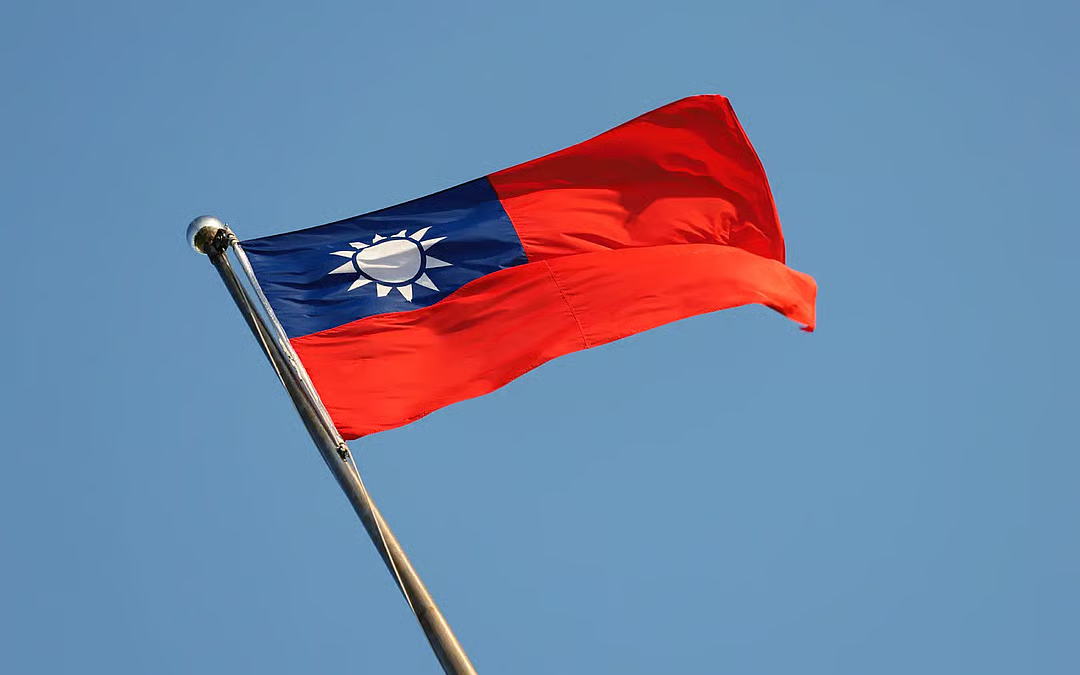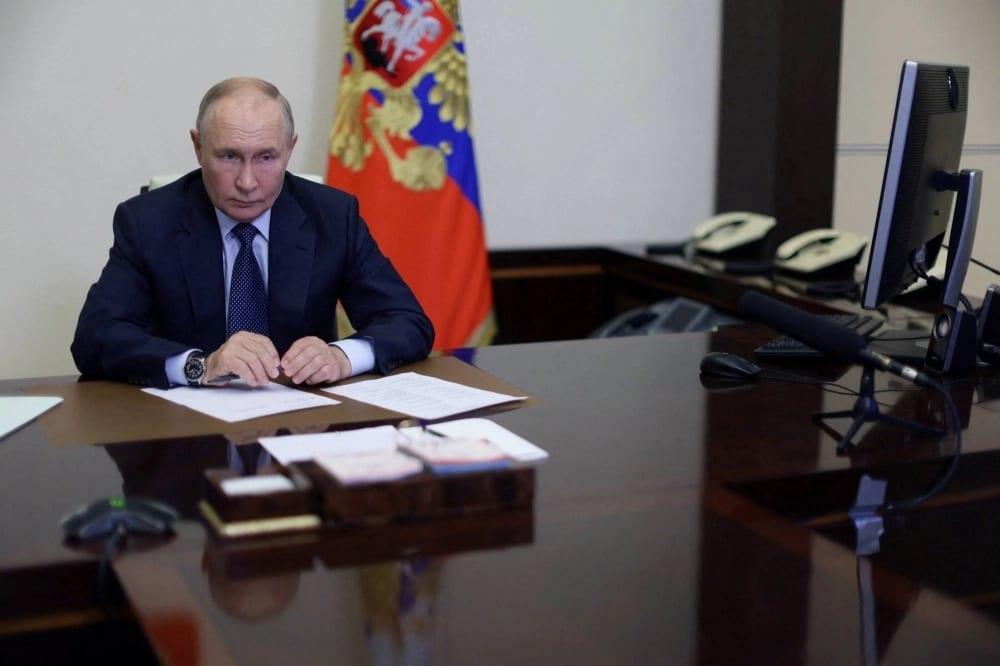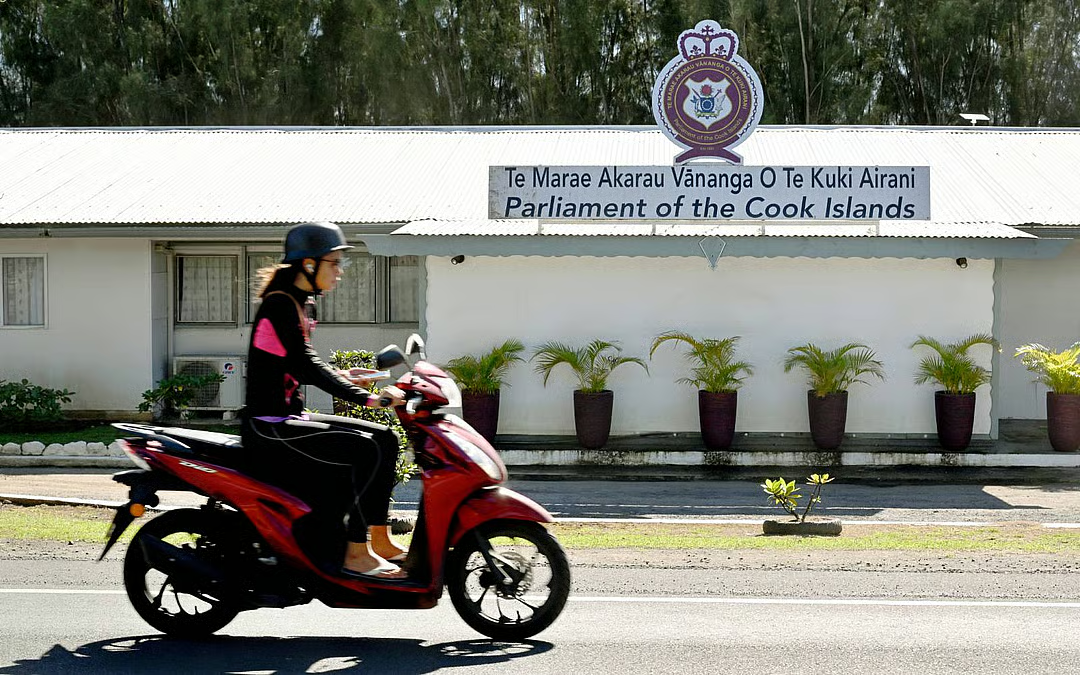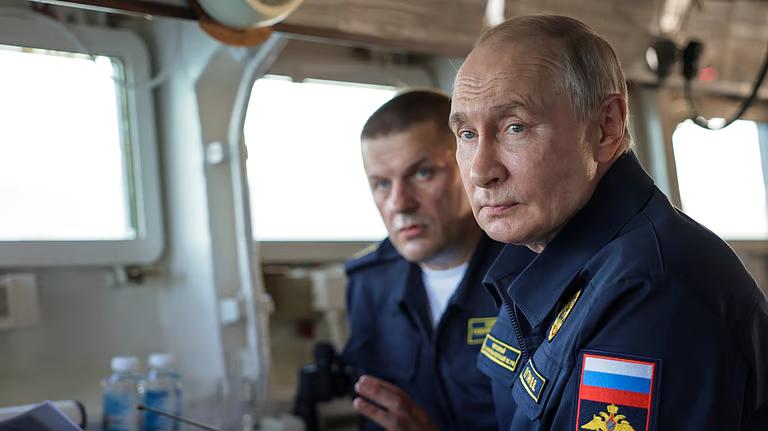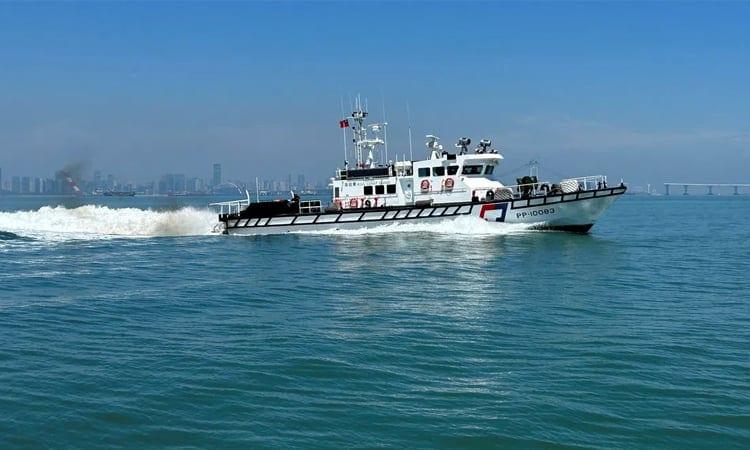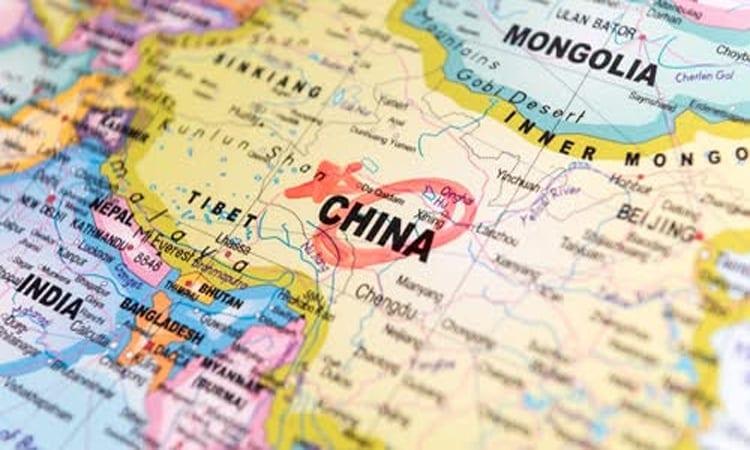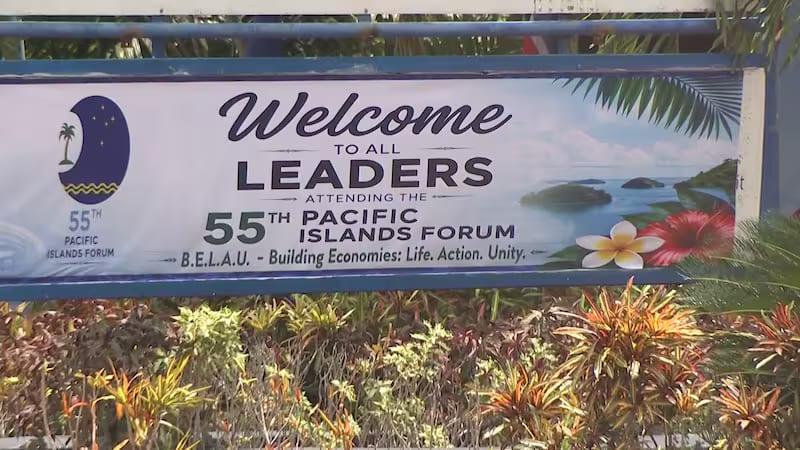
At least five leaders will skip the Pacific Islands Forum, officials said Monday, hours before the opening of talks overshadowed by Taiwan-China tensions. The gathering aims to grapple with challenges such as climate change, drug crime, and the Chinese test-firing of a ballistic missile in July that landed in the Pacific Ocean. China's security and economic influence has added resonance this year, because the 18-member Pacific Islands Forum is being hosted by Palau, a diplomatic ally of Taiwan. Beijing has protested against Taiwan's inclusion among aid partners invited to attend along with China, Singapore, Japan, Britain and the United States.
China, which claims self-ruled Taiwan as part of its territory, also declared Palau an "unsafe" place for tourists. The Pacific forum, which will culminate with a leaders' retreat on Thursday, has been touted for decades as a symbol of regional unity. But a growing number of leaders are skipping this year's forum and sending lower-ranked ministers in their place. Samoa's government said in a statement its delegation would be led by the deputy prime minister. The prime minister of Vanuatu and the head of government of the French territory of New Caledonia will also skip the summit, a forum official told journalists. Kiribati's president has already said he will not be attending.
Solomon Islands Prime Minister Matthew Wale unexpectedly flew out of Palau on Sunday to deal with a political crisis at home after a no-confidence motion was lodged against his leadership. Solomon Islands had been China's closest partner in the Pacific until Wale was recently elected, vowing to review a secret security pact with Beijing and repair ties with the United States and Australia. Fiji, a founding member of the forum, said its delegation to Palau would be led by the foreign minister, but it was not known whether the prime minister might join at a later stage.
Background and Context
The Pacific Islands Forum is an annual summit aimed at addressing key issues such as climate change, drug crime, and security concerns within the Pacific region. This year's forum is particularly significant due to the rising geopolitical tensions between China and Taiwan. Palau, the host of this year's forum, is a diplomatic ally of Taiwan, which has led to protests from China. The inclusion of Taiwan among aid partners has further escalated tensions, with China declaring Palau an "unsafe" place for tourists.
Geopolitical Tensions
The absence of key leaders from the Pacific Islands Forum highlights the growing geopolitical tensions in the region. China's increasing security and economic influence in the Pacific has been a point of contention, especially with the test-firing of a ballistic missile in July. The forum, traditionally a symbol of regional unity, is now overshadowed by these tensions. The leaders' absence may weaken any joint Pacific statement on the Chinese missile test, according to Oliver Nobetau, Pacific analyst at the Lowy Institute.
Domestic Priorities and Security Concerns
Some Pacific leaders are staying at home to tackle domestic political priorities, while others may find one-on-one discussions with external powers more useful than forum negotiations in areas such as security and economic support. The forum will see around 110 police officers drawn from various Pacific islands providing security, marking the first large-scale demonstration of Pacific-wide cooperation on policing. Australia, the biggest forum member and aid donor, has led efforts for the Pacific to provide its own security, arguing there is no need for China to have police in Kiribati and the Solomons.