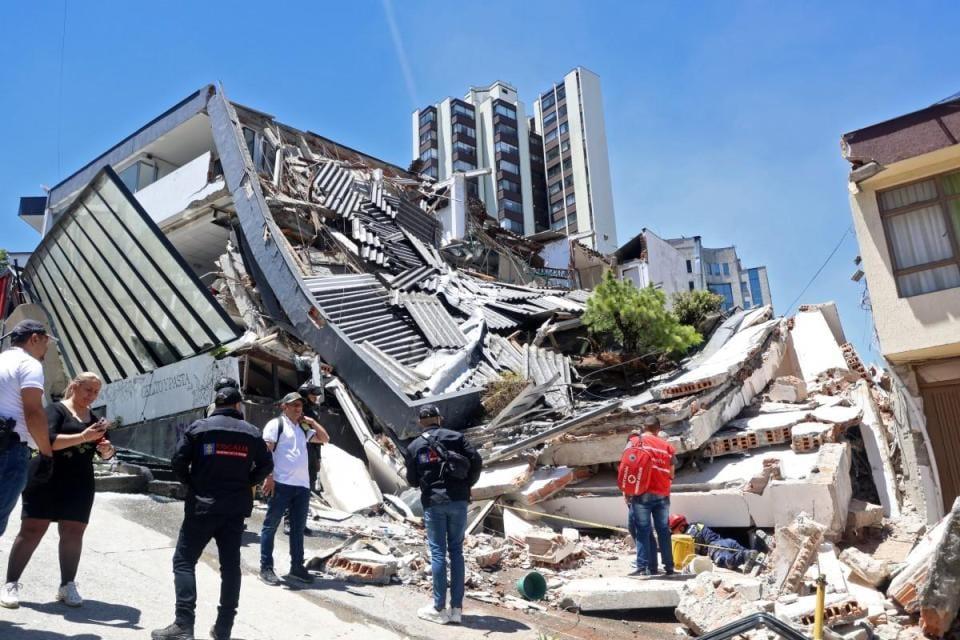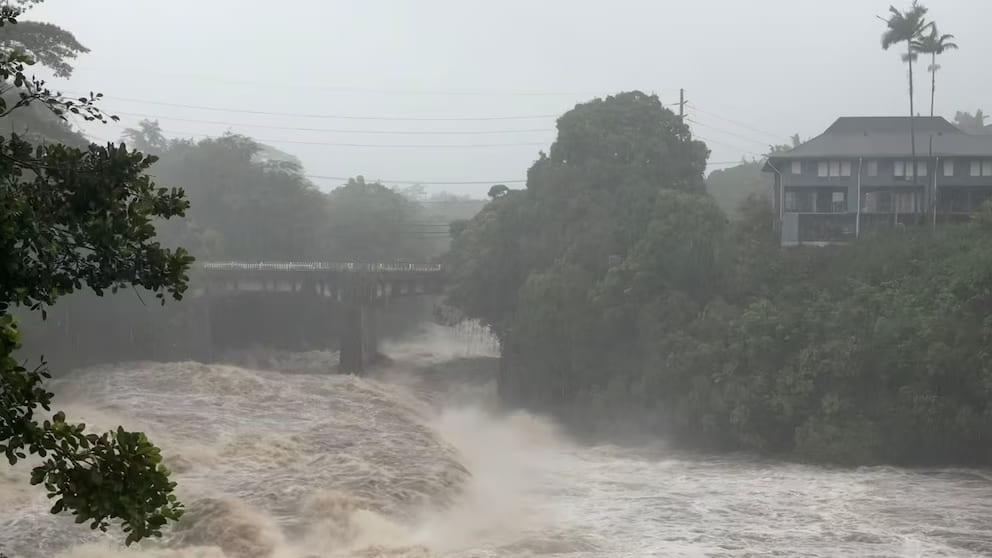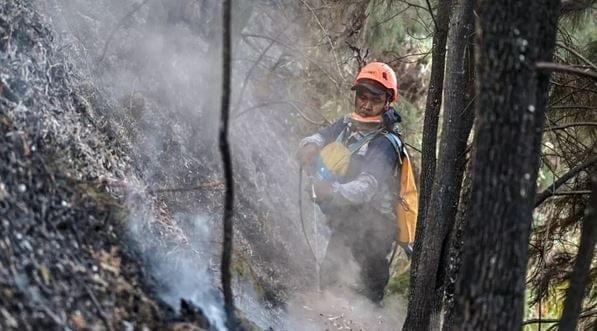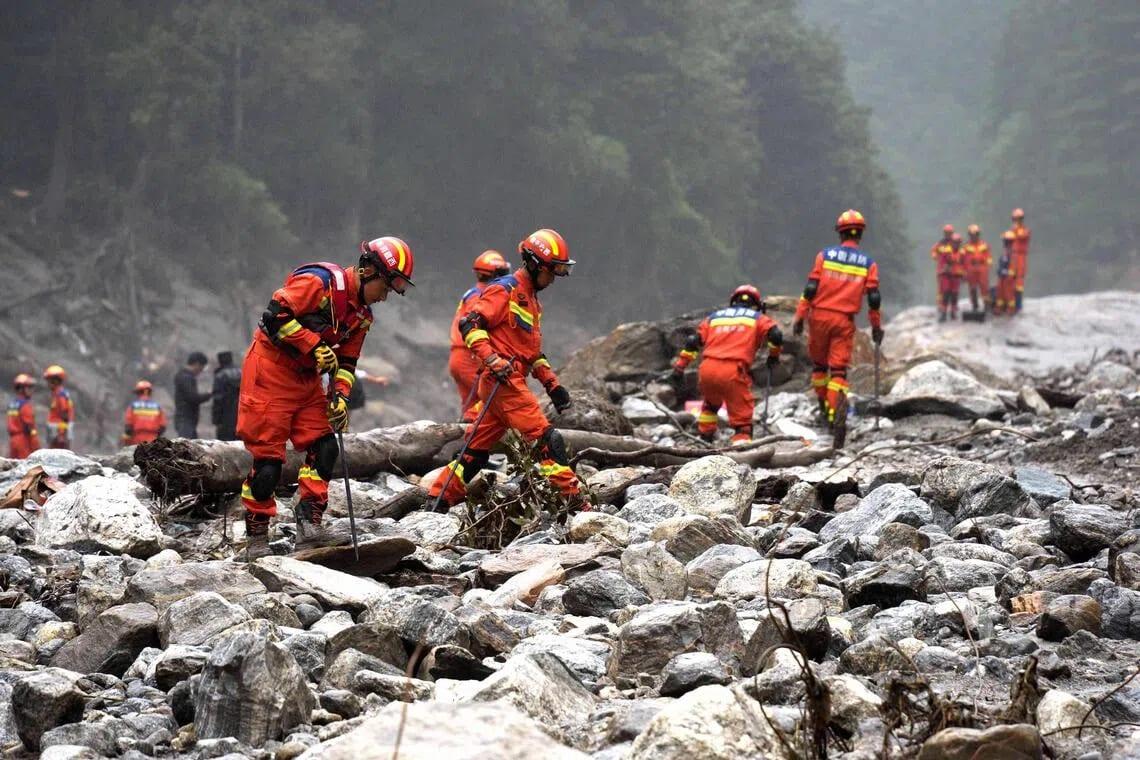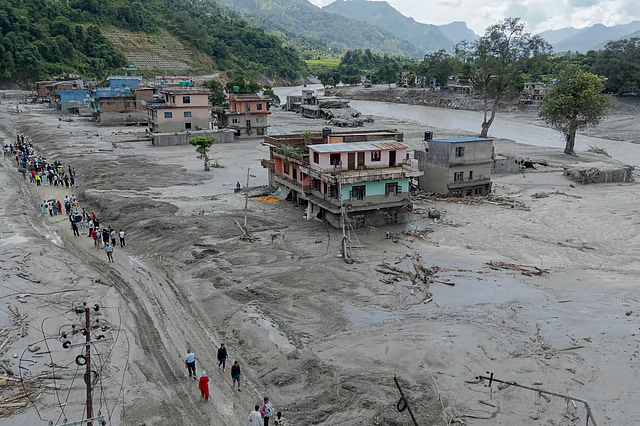
Ecuador has declared a national emergency in response to the severe impacts of the El Nino climate phenomenon, which is expected to be the strongest on record. The Ministry of Risk Management issued a red alert throughout the country, activating emergency committees to coordinate preventive measures such as evacuations. This action follows similar declarations in Central America and Southeast Asia, where El Nino is already causing significant disruptions.
Widespread Impact of El Nino
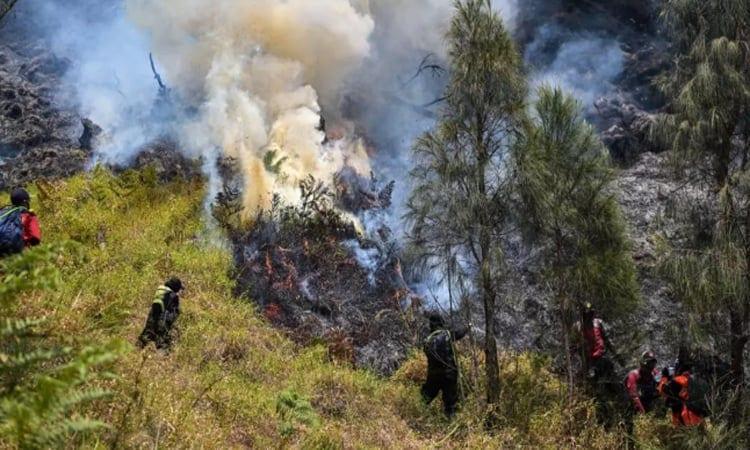
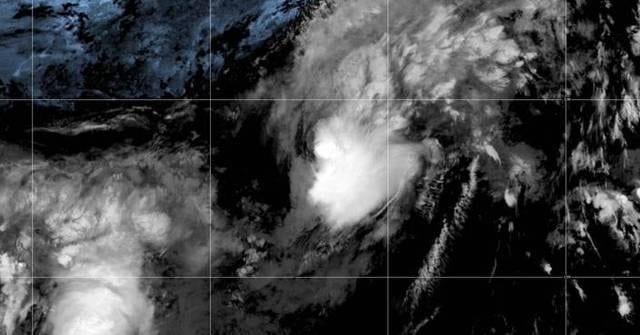
El Nino, characterized by the warming of surface temperatures in the central and eastern equatorial Pacific Ocean, significantly alters wind patterns, pressure, and precipitation. These changes have far-reaching consequences, including disruptions to fishing, bird migrations, and severe weather conditions. In Central America, El Nino has led to a severe drought, while in Indonesia, it is exacerbating wildfires.
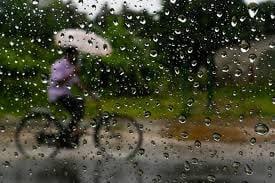
Scientists predict that the current El Nino event will reach its peak by the end of the year, potentially leading to record global heat in 2027. The phenomenon's impact is not limited to Ecuador; neighboring countries such as Panama, Honduras, and El Salvador have also declared emergencies. Further south, Peru has declared a state of emergency in a third of its cities, warning of intense heat and rain that could lead to food shortages.
Ecuador's Specific Challenges
Ecuador faces unique challenges due to El Nino, particularly in its Amazon region. The country is expecting severe droughts and wildfires, which could have devastating effects on both the environment and local communities. The Ministry of Risk Management's red alert aims to prepare for these potential disasters by coordinating emergency responses and ensuring the safety of affected populations.
The declaration of a national emergency underscores the severity of the situation and the need for immediate action. By activating emergency committees, Ecuador is taking proactive steps to mitigate the impacts of El Nino and protect its citizens from the worst effects of this powerful climate phenomenon.