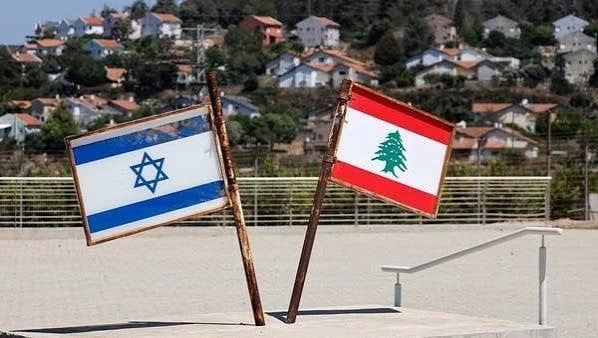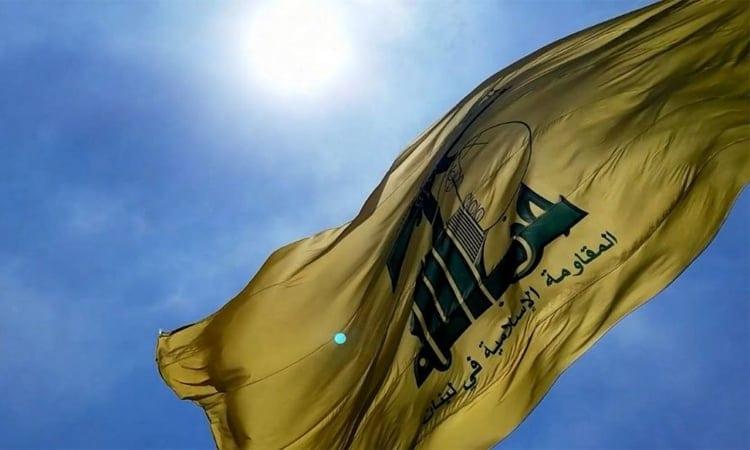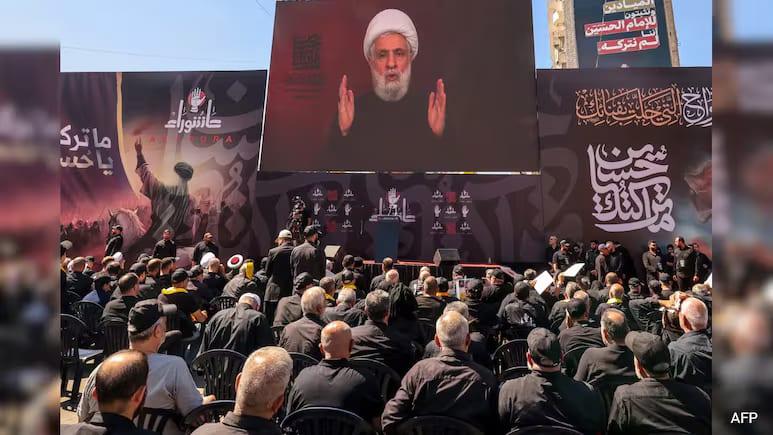
Hezbollah chief Naim Qassem has once again rejected the framework agreement struck between Israel and Lebanon, labeling it as illegitimate, unlawful, and humiliating. In a televised address on the group's Al-Manar television channel, Qassem called for the agreement's downfall and vowed that Hezbollah would not surrender. The deal, signed in late June, calls for the disarmament of Hezbollah, a gradual withdrawal of Israeli forces from south Lebanon, and the deployment of the Lebanese army in the region, starting in 'pilot zones'.
Qassem stated, 'We are against the framework agreement and call for its downfall.' He further rejected any proposed verification system, emphasizing that Hezbollah does not agree to the 'pilot zones' or to what comes from them. A Lebanese source reported earlier this month that a shortlist of countries might oversee the implementation of the pilot zone process, specifically the dismantlement of any Hezbollah infrastructure by the Lebanese army.
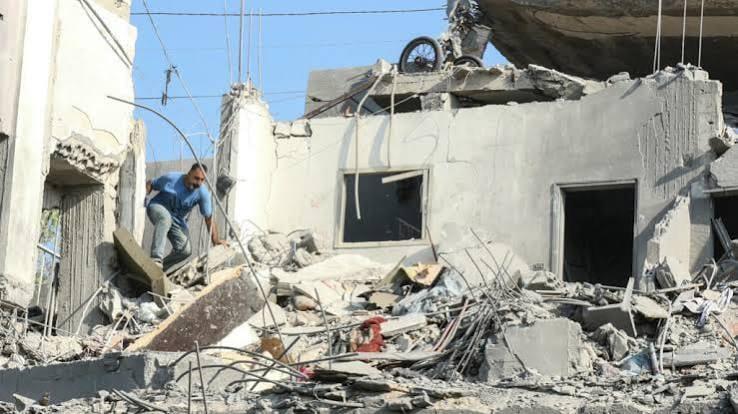
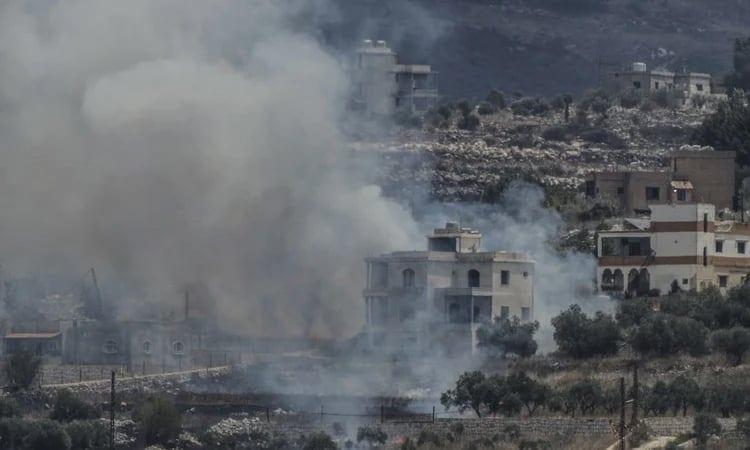
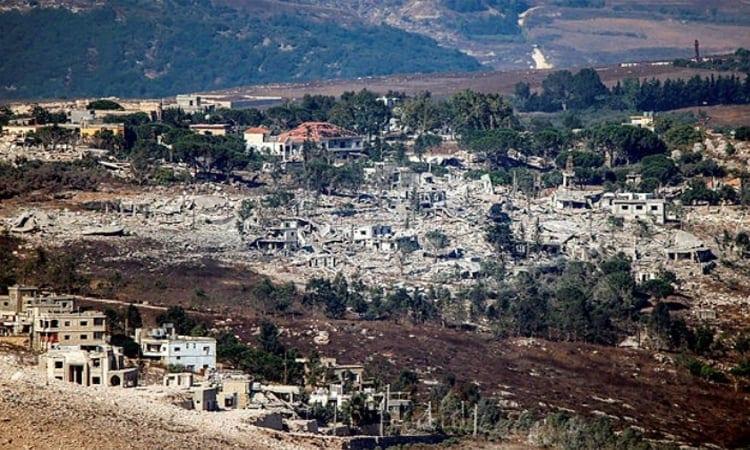
The agreement follows US-sponsored direct talks between Israel and Lebanon, initiated after Hezbollah attacked Israel on March 2, drawing Lebanon into the Middle East war. Israel responded with massive strikes and a ground invasion, which Lebanese authorities say have killed more than 4,300 people. Although violence has decreased since a US-Iran memorandum of understanding on the broader conflict in June and the Israel-Lebanon framework agreement later that month, Lebanon still reports regular Israeli strikes, artillery shelling, and demolitions of civilian buildings in southern villages and towns.
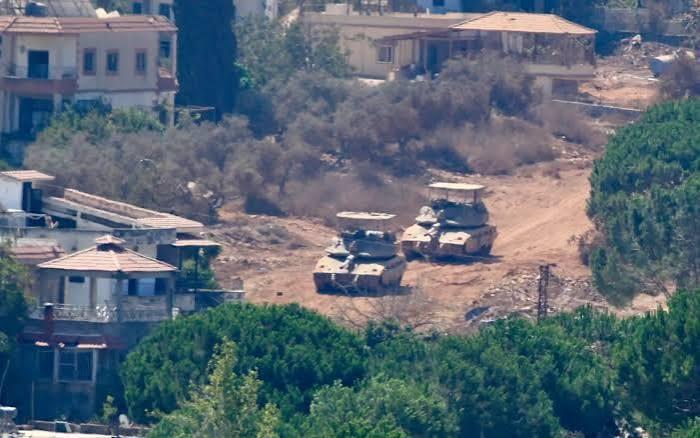
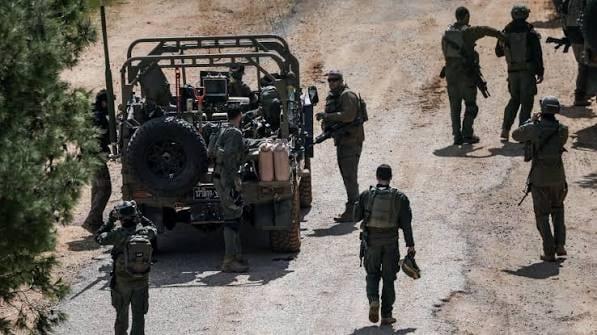
Israeli forces are operating within a self-declared 'security zone' that extends around 10 kilometers (six miles) deep into Lebanese territory along the border. Lebanon's state-run National News Agency reported several Israeli airstrikes in the country's south, including in the Nabatieh area, where attacks have increased in recent days.
Qassem reiterated Hezbollah's support for the implementation of a November 2024 ceasefire that sought to end a previous war with Israel. 'We will keep our heads high and we will not surrender,' he vowed. A fresh round of talks had been planned for early September, but no date has been announced yet.
The ongoing conflict and Hezbollah's stance have significant implications for regional stability and the broader geopolitical landscape. For Bangladesh, the situation underscores the complexities of international conflicts and the importance of diplomatic efforts in resolving such disputes.