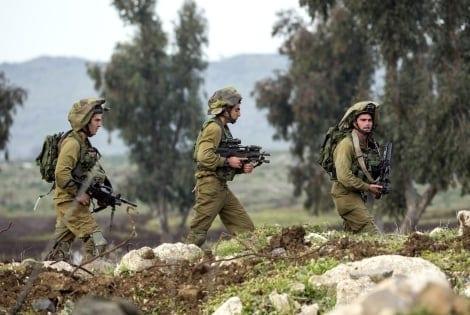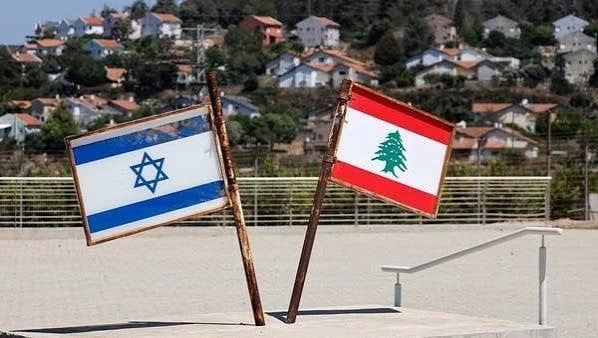
Lebanon and Israel have begun a new round of US-sponsored direct talks in Rome, aiming to secure Israel's phased withdrawal from southern Lebanon. This seventh round of talks follows a framework deal agreed upon in Washington in June, which includes the disarmament of Hezbollah, gradual withdrawal of Israeli forces, and deployment of the Lebanese army in pilot zones.
Background and Framework Deal
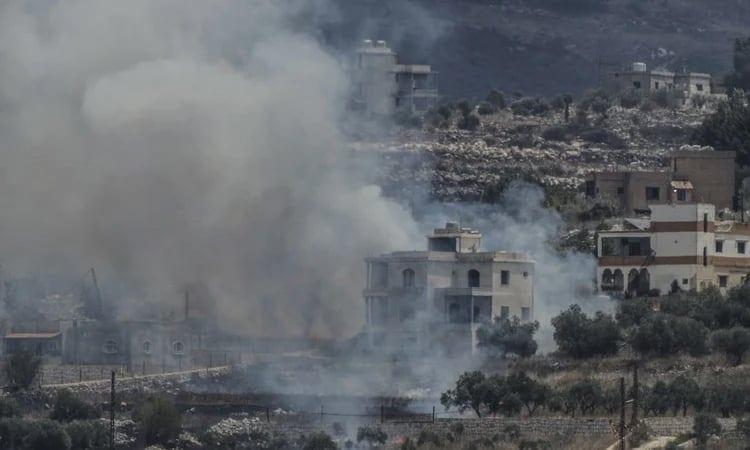
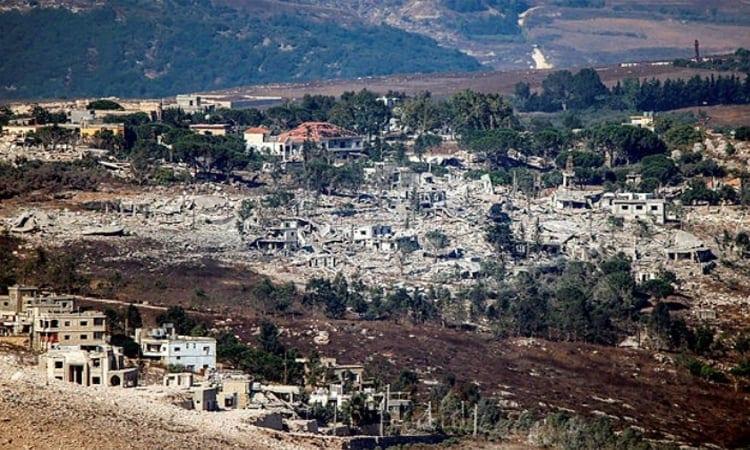
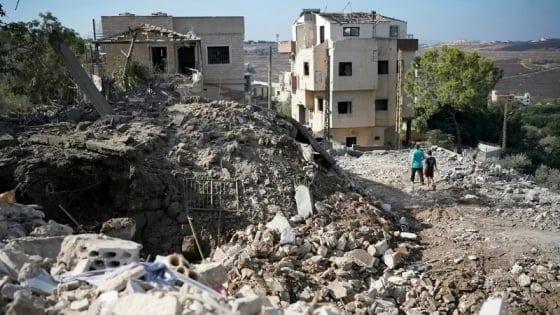
The negotiations, set to continue until Thursday, are critical as they follow Hezbollah's involvement in the Middle East war, which began in March. The conflict has resulted in heavy casualties and destruction in Lebanon. The framework deal reached in June involves several key components: the disarmament of Hezbollah, a phased withdrawal of Israeli forces, and the deployment of the Lebanese army in specific areas known as pilot zones.
Current Situation and Challenges
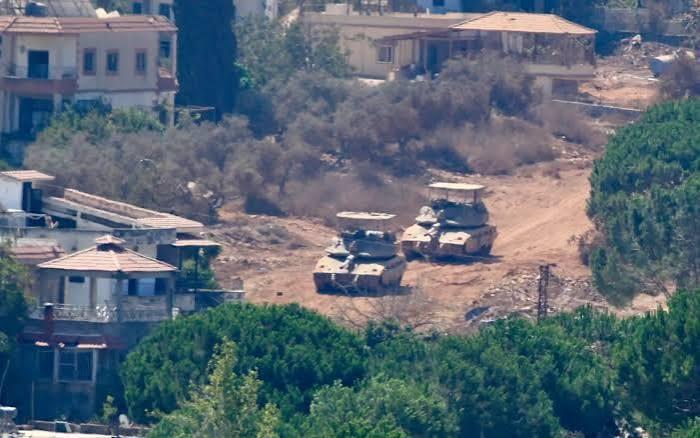
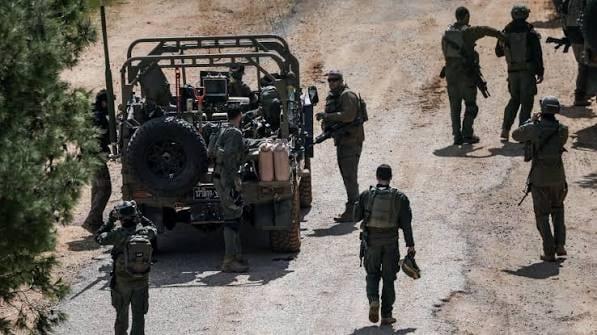
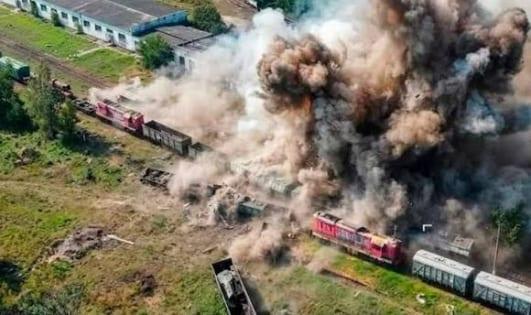
Despite a decrease in violence since the preliminary US-Iran agreement on the Middle East conflict, Lebanon continues to experience intermittent Israeli strikes and shelling. The Lebanese army's deployment in the pilot zones is seen as a significant test, with doubts raised about the authorities' ability to disarm Hezbollah and prevent further military activity. Israel's commitment to withdraw will also be scrutinized as pilot zones are selected in areas fully under its occupation.
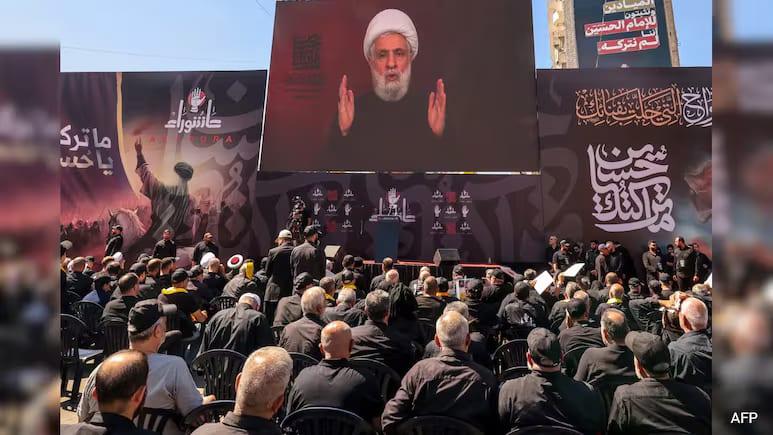
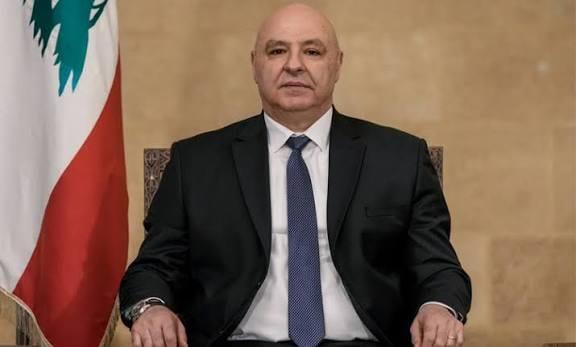
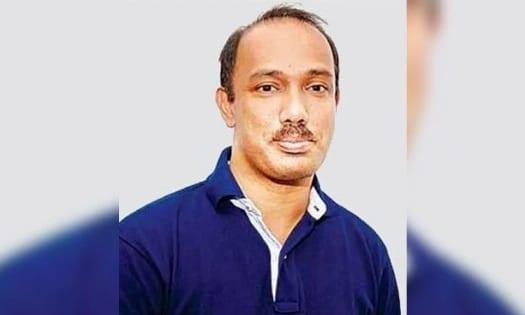
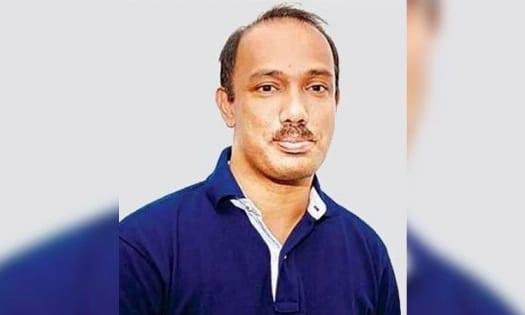
Hezbollah leader Naim Qassem has criticized the negotiations, stating they will bring "nothing but shame, humiliation, and successive compromises" for Lebanon. He also accused President Joseph Aoun of being biased and divisive. Italian Foreign Minister Antonio Tajani urged both sides to continue in a constructive spirit to achieve shared solutions. US Ambassador to Lebanon Michel Issa warned against moving too quickly, emphasizing the need for a clear, workable process.