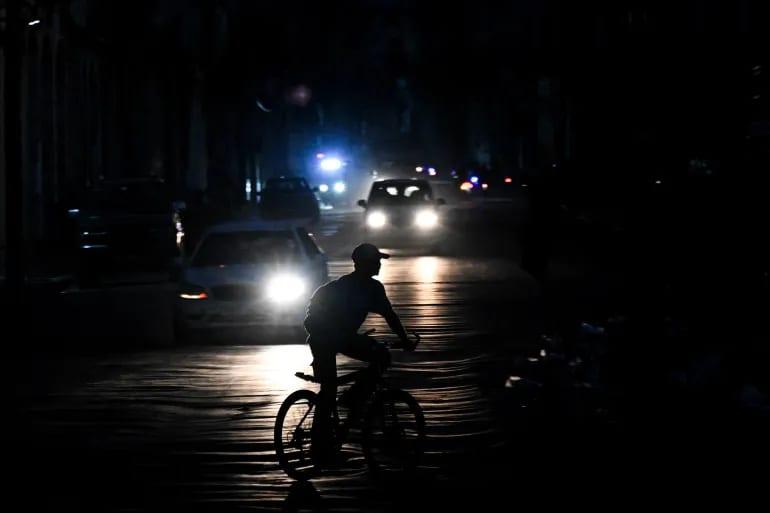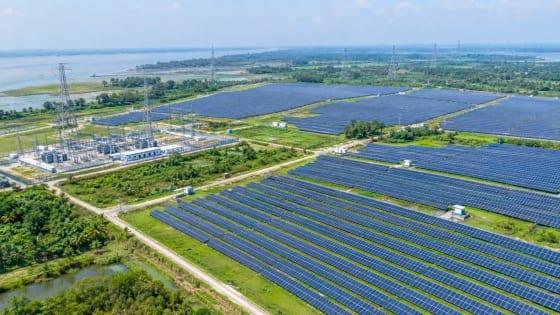
Laos, often referred to as the 'Battery of Southeast Asia,' is grappling with frequent power outages as it exports a significant portion of its electricity to neighboring countries. Despite the country's self-proclaimed title, the majority of the power generated is sent abroad, leading to domestic shortages and blackouts.
Exports of electricity to countries such as Thailand and Vietnam are a vital source of revenue for Laos, a landlocked nation designated as a least developed country by the United Nations. However, the combination of high export rates and an aging grid infrastructure results in frequent power outages for the local population.
In the capital city of Vientiane, residents often find themselves without power, forcing families to venture outside to escape the stifling heat indoors. At one of the main public hospitals, a doctor in the pediatrics emergency department has become accustomed to medical equipment shutting down due to power failures, relying on generators to maintain essential services.
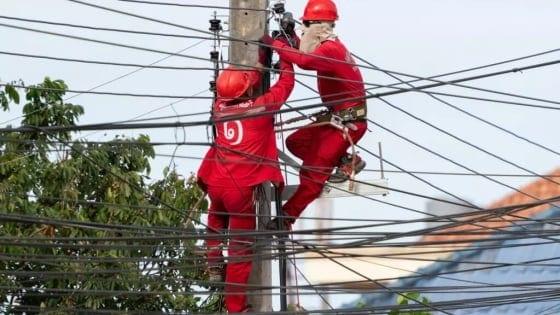
The situation is further exacerbated by an aging distribution grid, much of which dates back to the 1970s. This outdated infrastructure struggles to meet the demands of a rapidly modernizing economy, characterized by tourism, massive infrastructure projects, urban development, and the widespread use of air conditioning.
Laos exported around two-thirds of its total generated electricity in 2023, according to the World Bank, but experts suggest that this figure has since risen to approximately 80 percent. In the decade leading up to 2024, annual electricity exports more than tripled, from 12 terawatt-hours (TWh) to 38 TWh, generating significant revenue for the government.
Despite these exports, Laos faces challenges in meeting domestic demand. The state utility, Electricite du Laos (EDL), is burdened with large debts incurred during the expansion of the grid and due to consumer subsidies. Additionally, with hydropower accounting for 80 percent of production, supply dwindles during the dry season from March to August.
The situation highlights the complex balance between economic development and domestic needs. While electricity exports bring in much-needed revenue, the local population suffers from unreliable power supply. This issue is particularly relevant for Bangladesh, which also faces challenges in balancing energy exports with domestic demand.