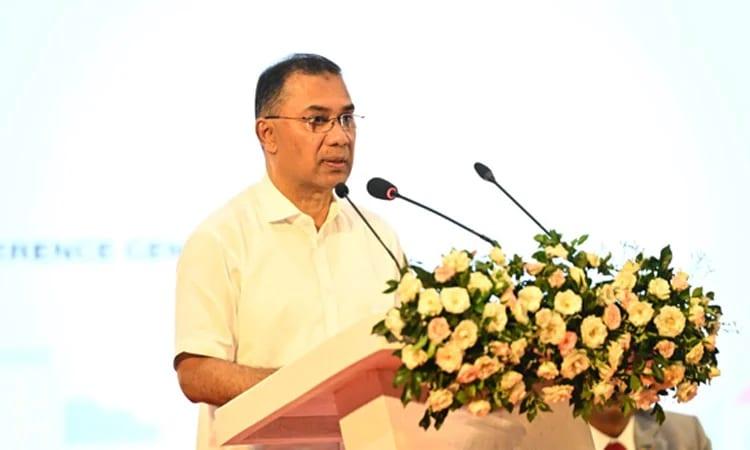
Prime Minister Tarique Rahman today stressed the need to increase domestic agricultural production in order to reduce dependence on imports of food and farm products that can be produced in the country. He called for effective measures to raise the production of such crops while ensuring food security and making agriculture more productive and profitable.
Enhancing Agricultural Productivity
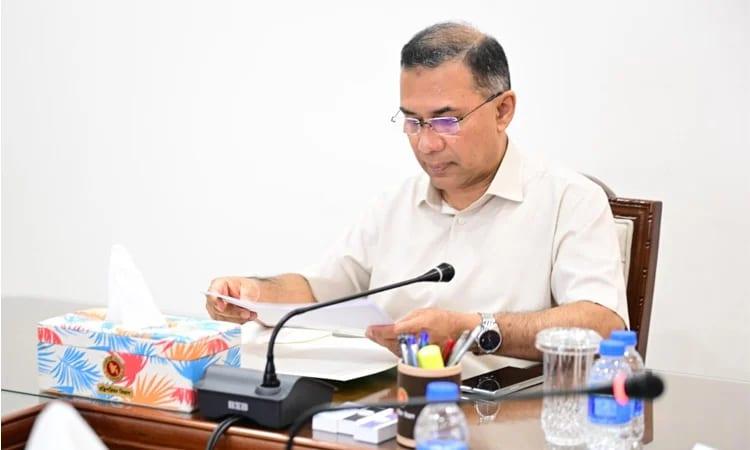
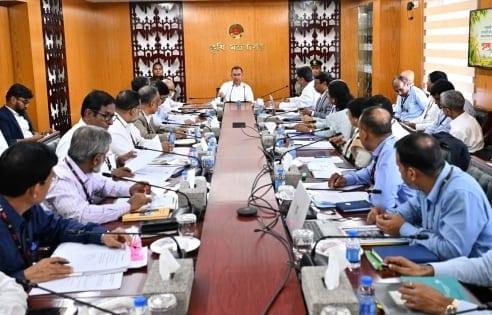
The Prime Minister made the remarks at a meeting with officials of the Ministry of Agriculture at the Bangladesh Secretariat. He stressed increasing agricultural productivity, reducing farmers’ production costs and ensuring fair prices for their produce. Dependence on imports should be gradually reduced for agricultural and food products that can be produced domestically, with greater emphasis on research, improved varieties, modern technology, irrigation and mechanisation and ensuring their quick delivery to farmers.
Current Initiatives and Future Plans
The Ministry of Agriculture presented the overall situation of the agriculture sector, its ongoing activities and future plans. Notably, mustard production, a major crop for reducing dependence on edible oil imports, has increased significantly in recent years. Mustard production rose from 8.24 lakh metric tonnes in fiscal 2021-22 to 15.34 lakh tonnes in 2024-25 and 15.41 lakh tonnes in 2025-26.
Measures to increase onion production and storage capacity, including the use of air-flow technology for storing onions at farmers’ level and expansion of summer onion varieties, were also discussed. Efforts are underway to grow more crops that can survive salinity, drought, and waterlogging. The ministry highlighted progress in agricultural research, stating that a total of 1,090 varieties of different crops had been developed, including 155 rice varieties. More than 1,000 agricultural technologies have also been developed.
The meeting discussed giving greater emphasis to farm mechanisation to reduce labour and production costs and increase productivity. Initiatives are underway to increase the development and production of locally made farm machinery and make combine harvesters, reapers, rice transplanters and other equipment available to farmers at affordable prices. The ministry also presented initiatives to expand the use of solar power in agriculture. There are currently 2,617 solar irrigation systems in the country, while expanding renewable-energy-based irrigation could help reduce farmers’ irrigation costs and dependence on conventional fuels.
The government’s Farmer Card programme also came under discussion as part of efforts to deliver state support directly to farmers. The ministry has set a target of bringing 43 lakh farmers under the programme in fiscal 2026-27, with preparations underway to distribute cards to around 1.10 lakh farmers in the first phase. The meeting also discussed farm mechanisation, solar irrigation, canal excavation, tree plantation, and storage and marketing of agricultural products.