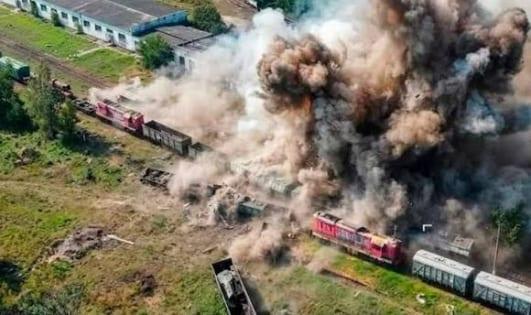
A Russian drone struck a Warsaw-bound train near the Polish border in Ukraine, according to reports from Warsaw and Kyiv. The attack occurred on Sunday and, fortunately, resulted in no casualties. The train, operated by Poland's PKP Intercity rail service, was traveling from Kyiv to Warsaw with 206 passengers on board. Ukrainian President Volodymyr Zelensky condemned the attack, asserting that Moscow deliberately targeted the train.
The incident is part of a broader series of attacks on western regions of Ukraine, as highlighted by President Zelensky. These attacks underscore the ongoing tensions between Russia and Ukraine, which have escalated in recent years. The train route between Kyiv and Warsaw is a critical transport link, facilitating both passenger travel and cargo movement between the two countries.
PKP Intercity, Poland's primary long-distance rail operator, confirmed the drone strike but emphasized that all passengers and crew members were safe. The company is investigating the incident and coordinating with Ukrainian authorities to ensure the safety of future journeys. This attack raises concerns about the security of transportation routes in conflict zones.
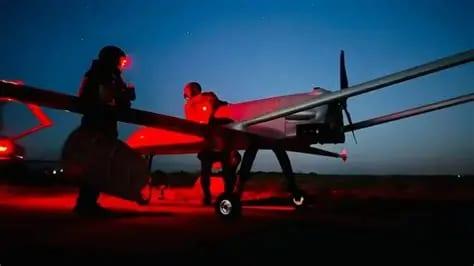
The strike on the train is indicative of the broader conflict dynamics in the region. Russia's use of drones in attacks has become a significant concern, with incidents reported in various parts of Ukraine. These drones are often used for both surveillance and targeted strikes, posing a threat to civilian infrastructure and transportation networks.
The safety of international rail routes is crucial not only for the countries directly involved but also for the broader European transportation network. Ensuring the security of these routes is essential for maintaining connectivity and facilitating trade and travel across the continent. The incident highlights the need for enhanced security measures and international cooperation to protect critical infrastructure.
For Bangladeshi readers, this incident underscores the global impact of regional conflicts. The security of international transport routes affects global trade and connectivity, which in turn influences economic stability worldwide. Ensuring the safety of these routes is vital for maintaining global supply chains and economic interactions.