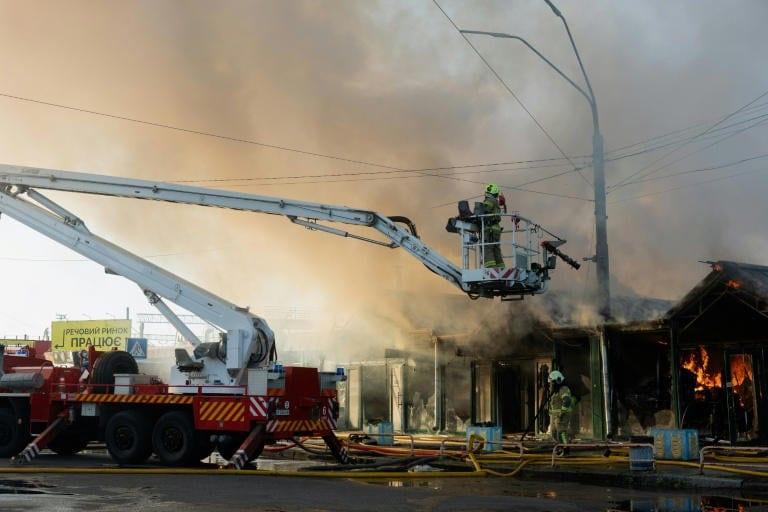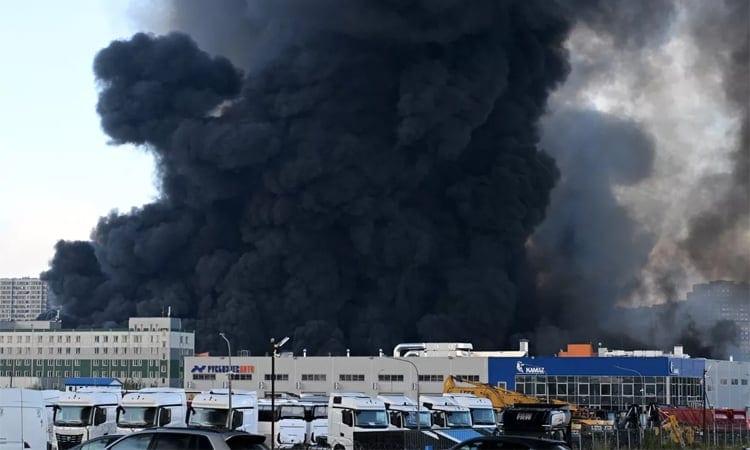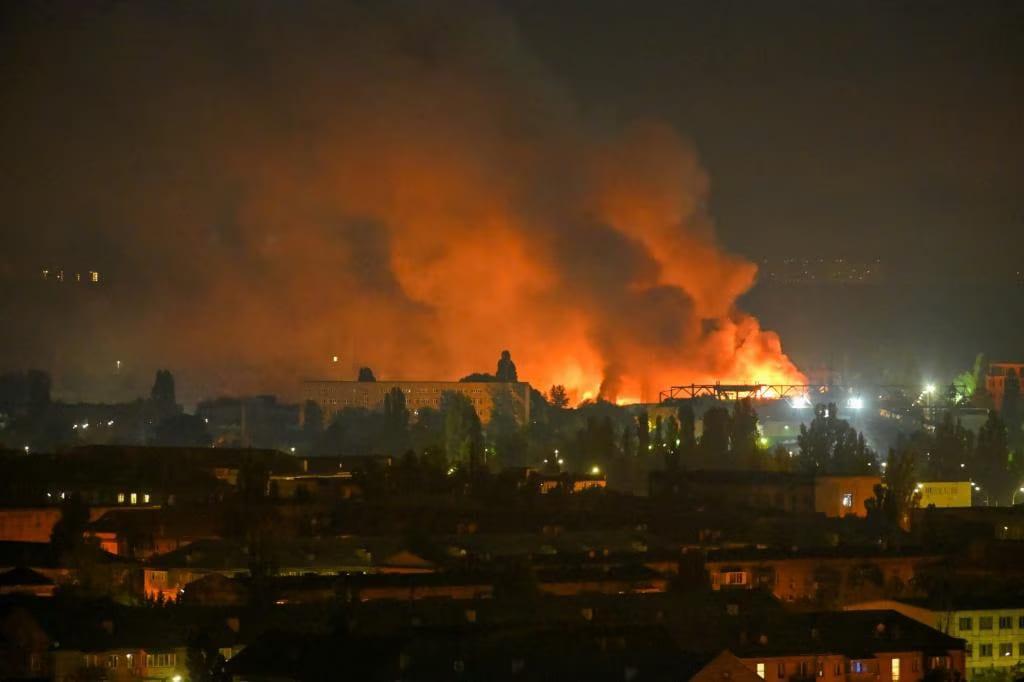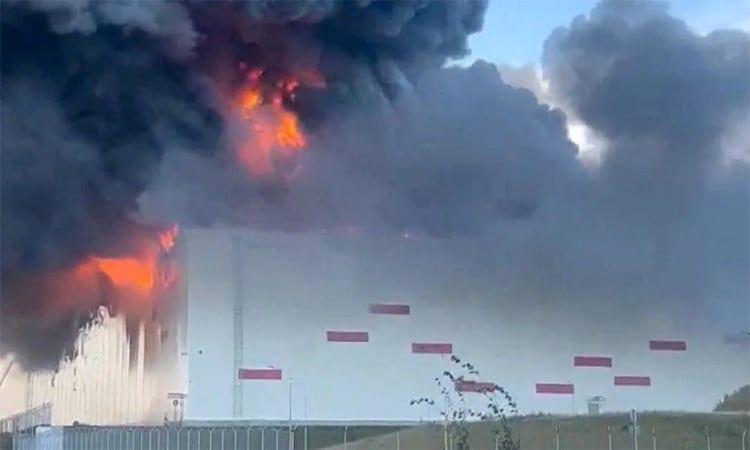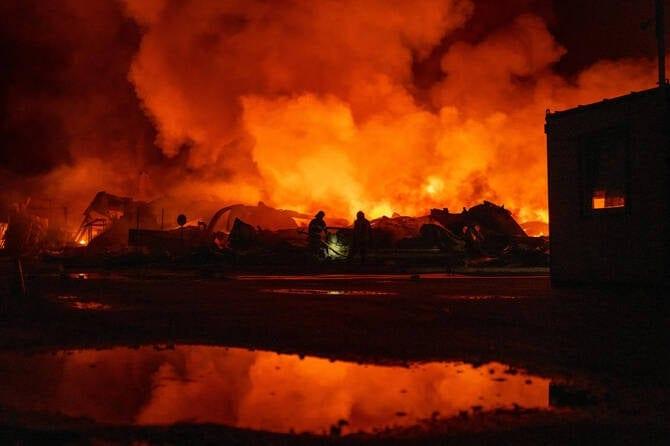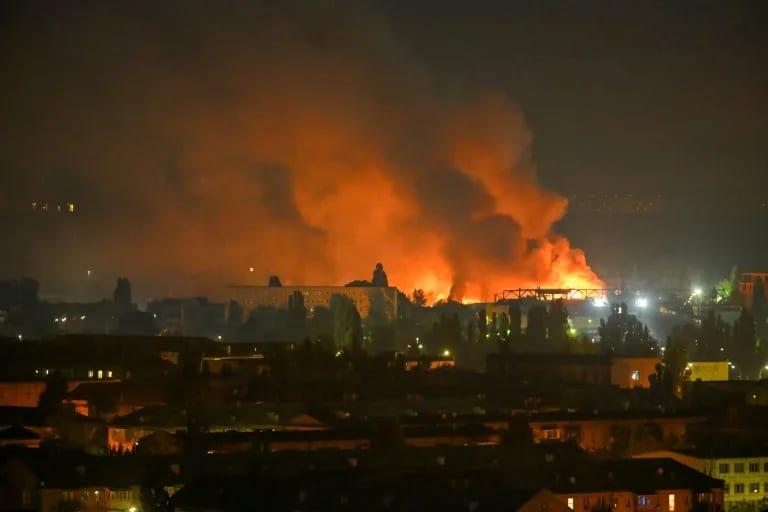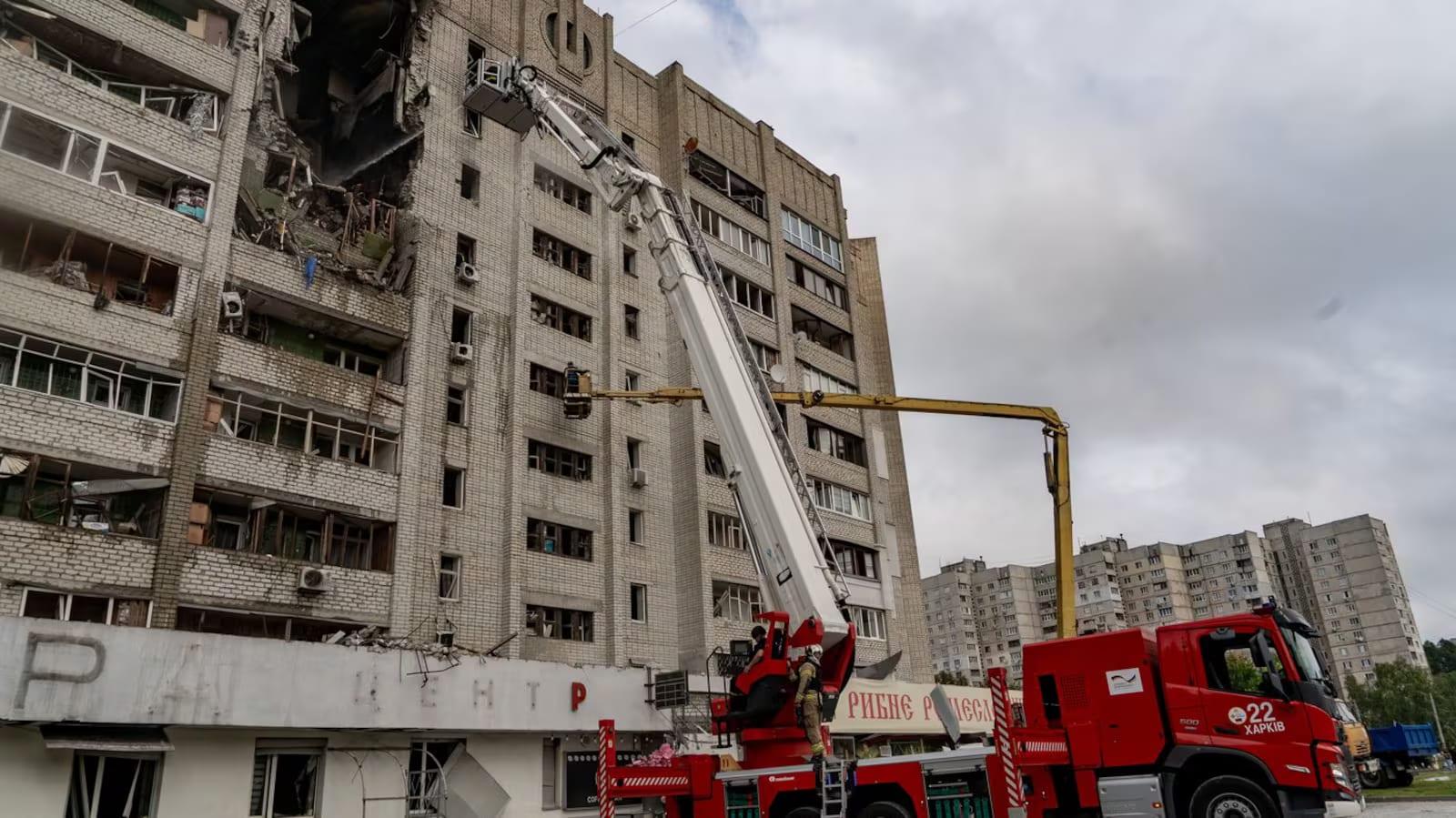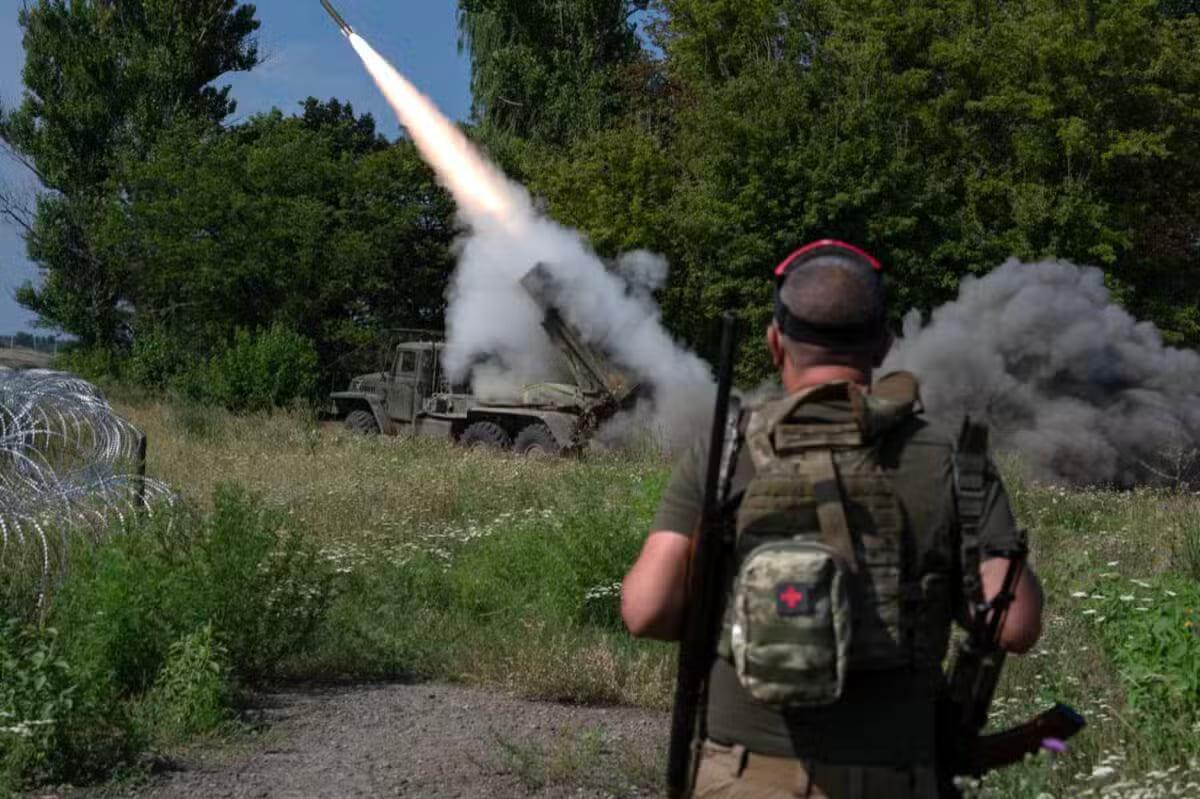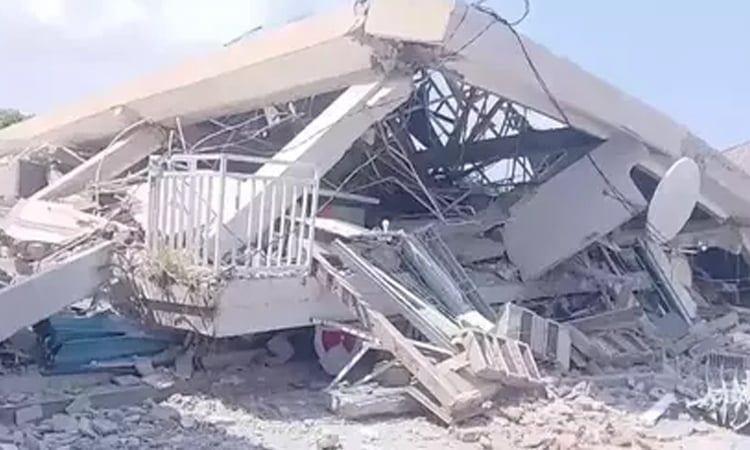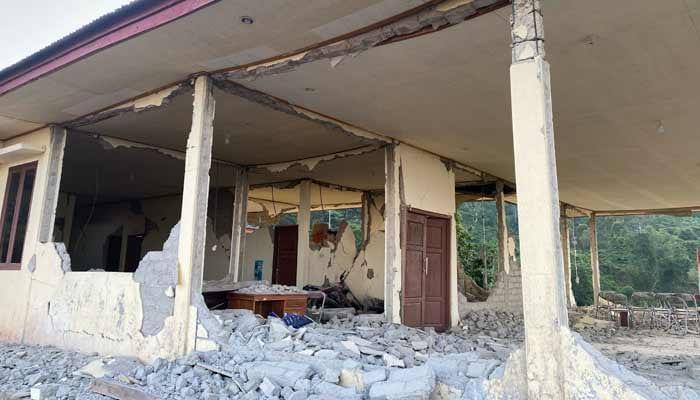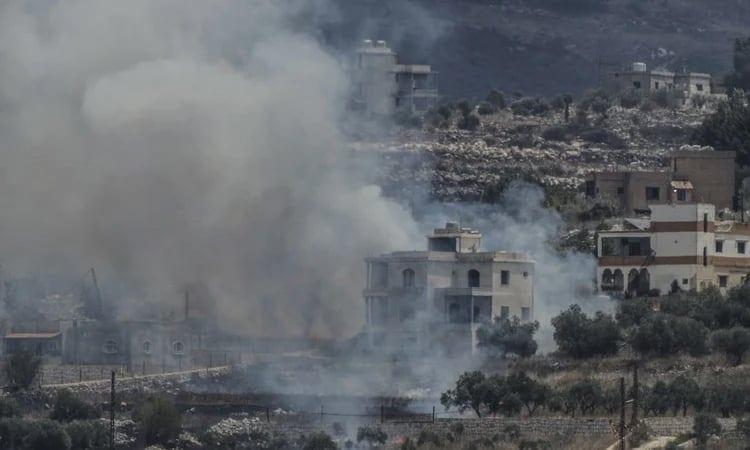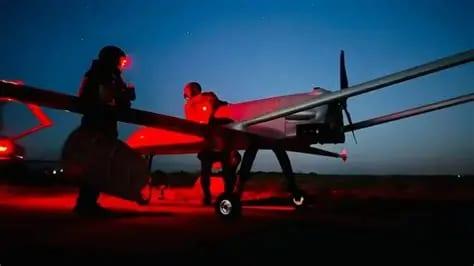
Six hundred drones targeted the Moscow region in a sustained overnight assault that wounded three people, the Russian capital's mayor said on Sunday, as Ukraine steps up long-range attacks into Russian territory. 'From yesterday evening until 6:30 am (0330 GMT) today, 600 drones were flying towards Moscow region, of which 201 were destroyed in Moscow region,' Mayor Sergei Sobyanin posted on the state-backed MAX platform.
Heightened Tensions
This incident underscores the escalating tensions between Ukraine and Russia. Since the conflict began, both sides have engaged in various forms of attacks, including missile strikes and drone assaults. The use of drones represents a new dimension in the conflict, highlighting the evolving nature of warfare and the increasing reliance on technology.
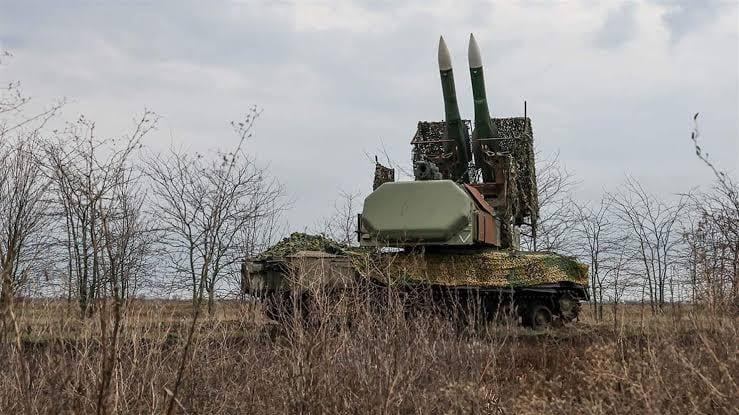
Drones offer several advantages in military operations, including precision targeting, reduced risk to operators, and the ability to conduct surveillance and reconnaissance missions. Their use in this attack indicates a shift towards more technologically advanced warfare, which could have significant implications for future conflicts.
Impact on Civilians
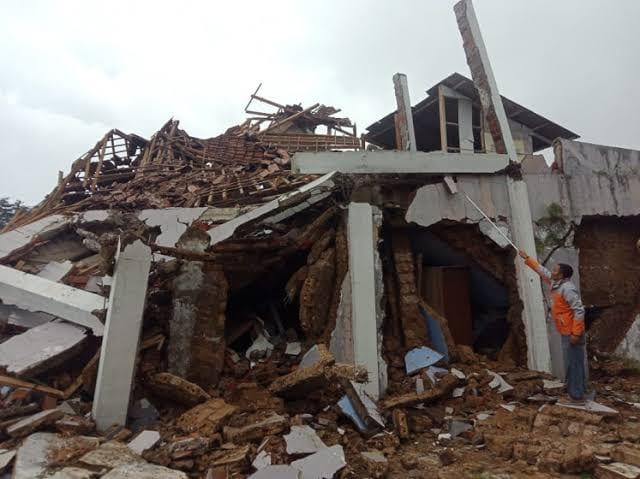
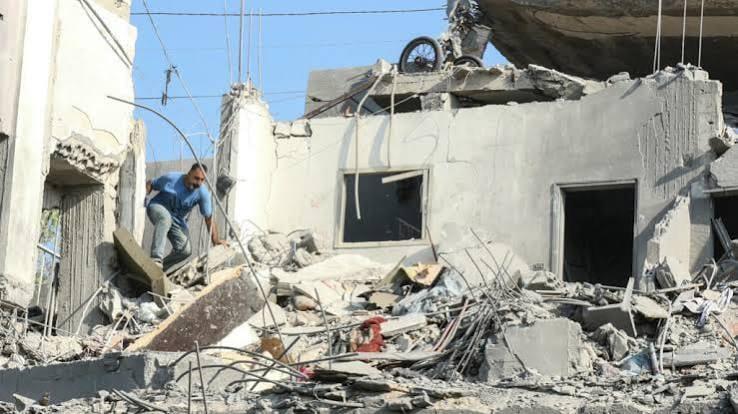
The attack on the Moscow region has resulted in civilian casualties, with three people reported wounded. This highlights the potential for collateral damage in urban areas when such attacks occur. The incident also raises concerns about the safety of residents in regions near conflict zones, as the reach of these drones extends further into civilian areas.
As the conflict continues, it is crucial for both sides to consider the humanitarian impact of their actions. Ensuring the protection of civilians and minimizing collateral damage should be a priority in any military operation. The international community must also remain vigilant and advocate for measures to protect innocent lives caught in the crossfire.
The use of drones in this attack is a stark reminder of the evolving nature of warfare and the need for adaptive strategies to counter emerging threats. As technology continues to advance, so too must the approaches to maintaining peace and security in conflict-prone regions.