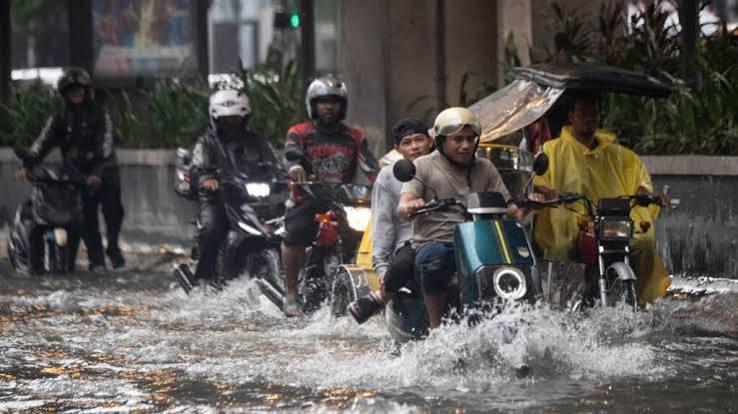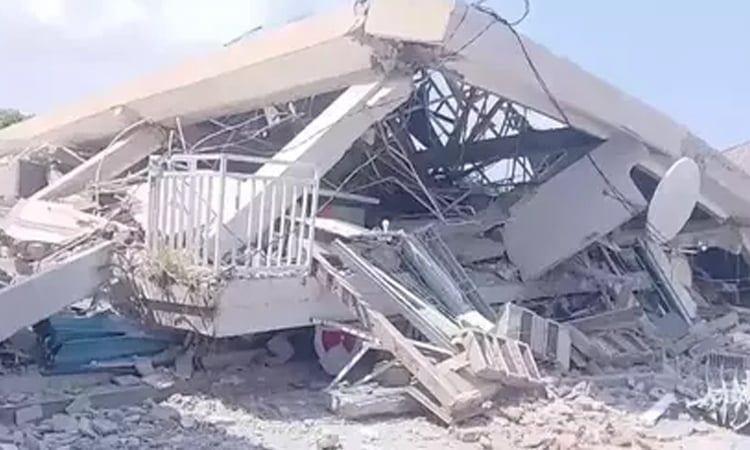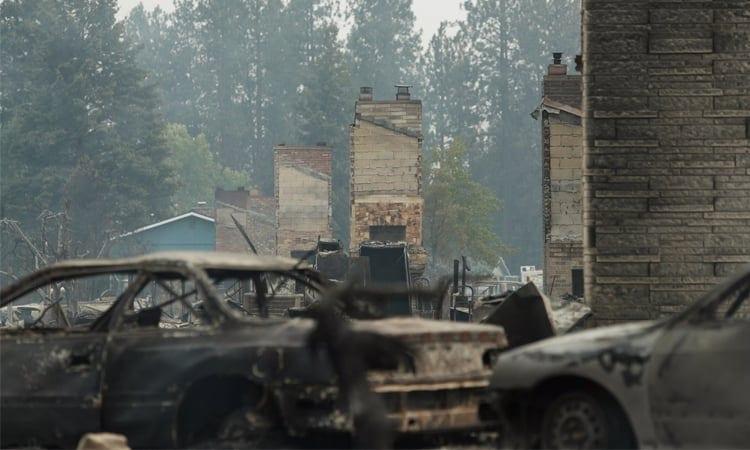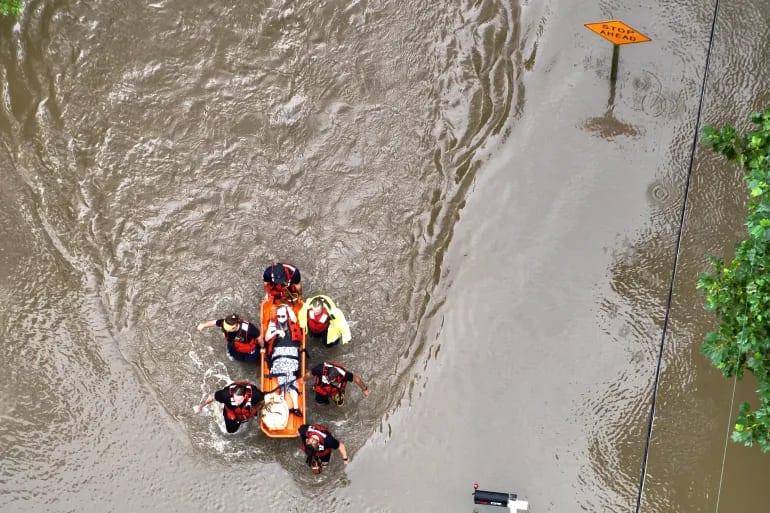
At least five people were killed by severe storms and flooding this week in the midwestern state of Indiana, authorities said on Saturday. Dozens have been rescued from flooded areas, and hundreds have had to evacuate their homes, according to local reports. The storm system, which began pummeling Indiana on Tuesday, included tornadic activity and a derecho—a widespread, long-lived wind storm.
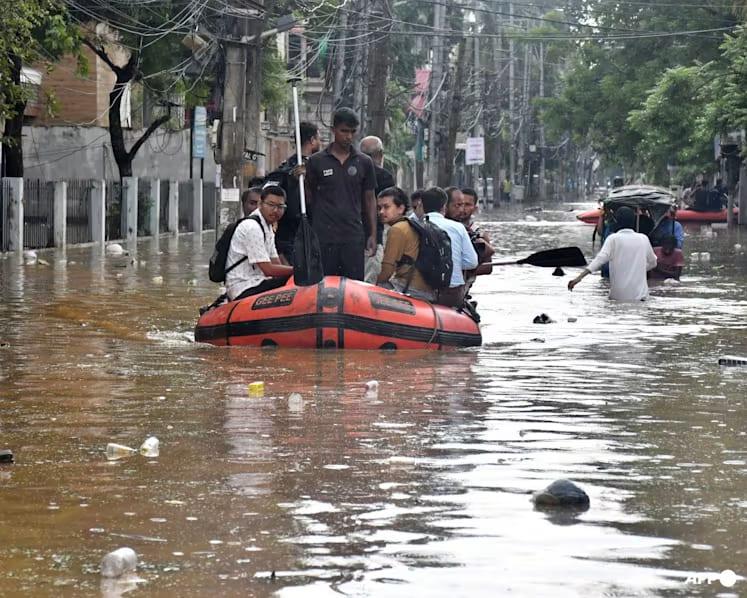
The victims included a 58-year-old woman whose car was believed to have been swept away by floodwaters, an 18-year-old man who jumped into a swollen river with friends, and a four-year-old boy who died when a tree fell onto a home, according to local media reports. News footage showed a river that had overflowed its banks, with the brown water nearly reaching the bottom of a bridge. Rescuers were seen zooming by in a raft.
Governor Mike Braun said in a statement that he spoke with US President Donald Trump on Saturday about the severe storms and historic flooding to request federal aid. Indiana's Homeland Security Director Jonathan Whitham said a'very extensive cleanup and recovery operation' will be needed.
The derecho, a rare and powerful storm system, can cause significant damage with hurricane-force winds over a wide area. These storms are less common than tornadoes but can be equally destructive. The combination of tornadic activity and a derecho in this storm system has made the situation particularly severe.
The flooding has displaced many residents, with hundreds forced to leave their homes. Emergency services have been working tirelessly to rescue those stranded and provide aid to affected communities. The extensive damage caused by the storms highlights the need for robust disaster preparedness and response mechanisms.
In Bangladesh, where monsoon rains and flooding are common, the situation in Indiana serves as a reminder of the importance of effective disaster management. The country has made significant strides in improving its disaster response capabilities, but ongoing efforts are essential to protect vulnerable populations and infrastructure.