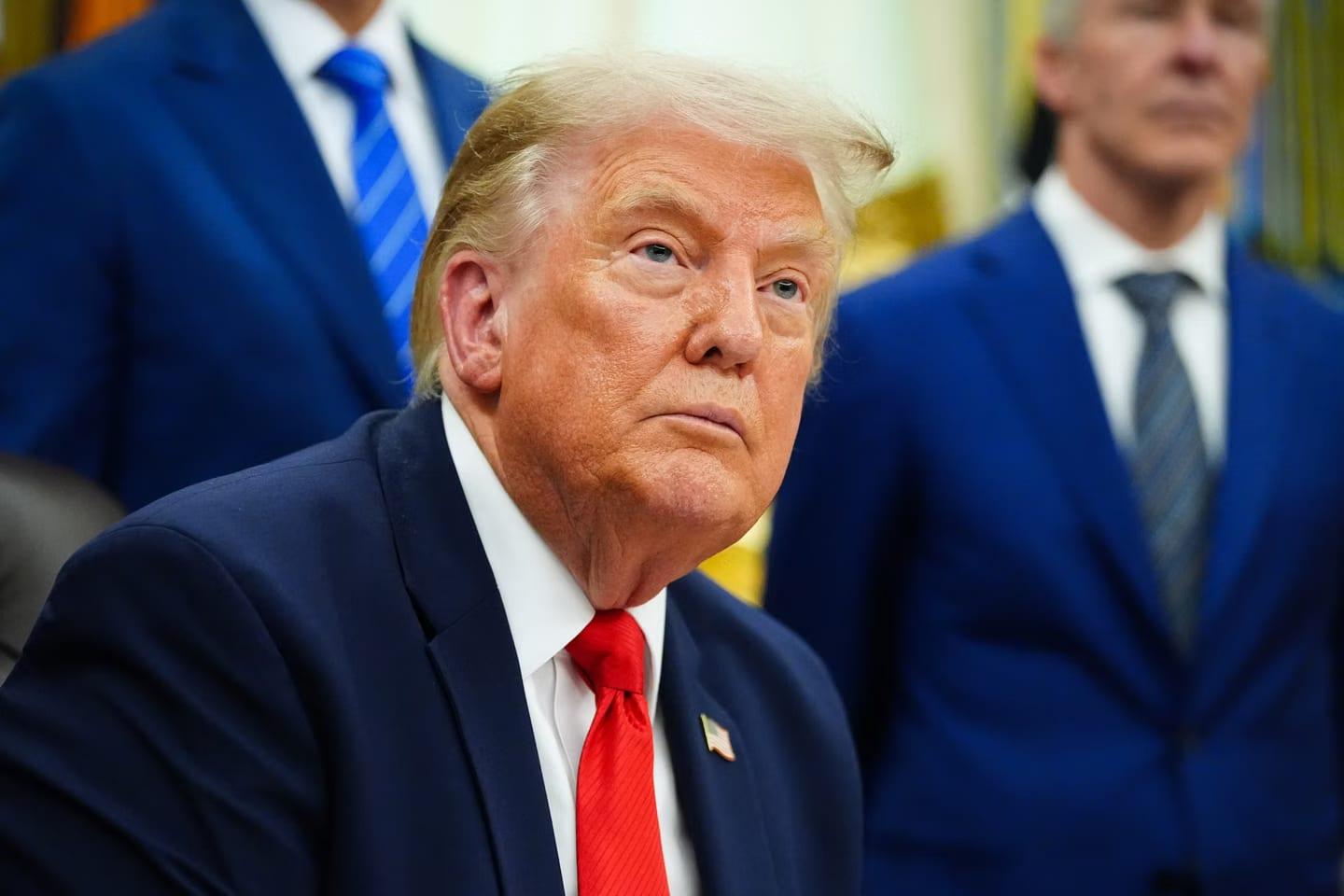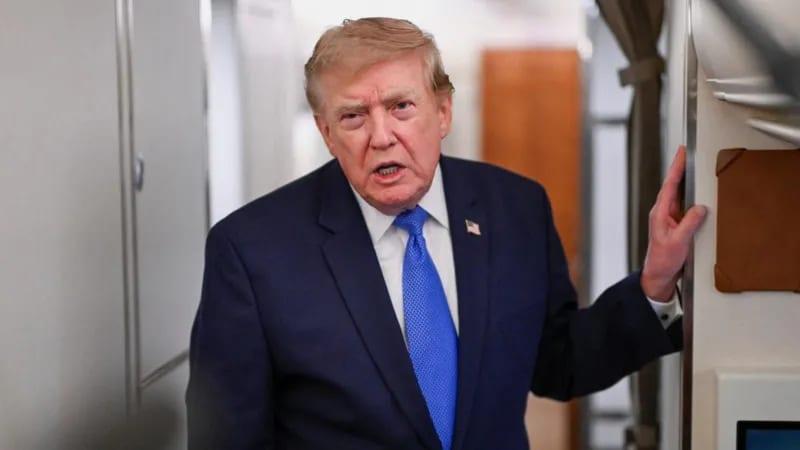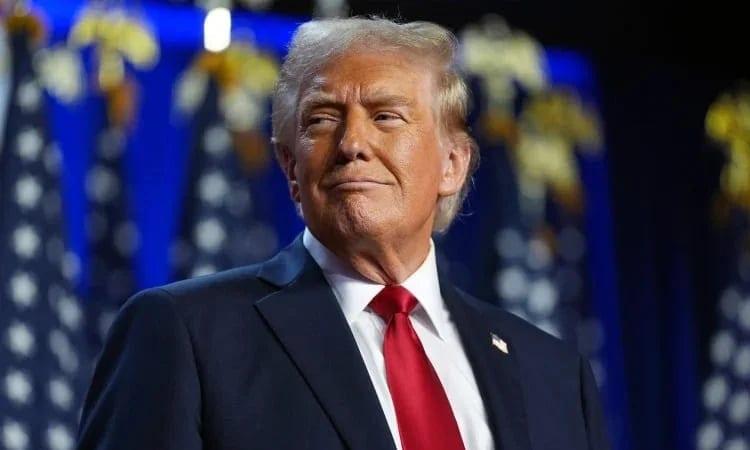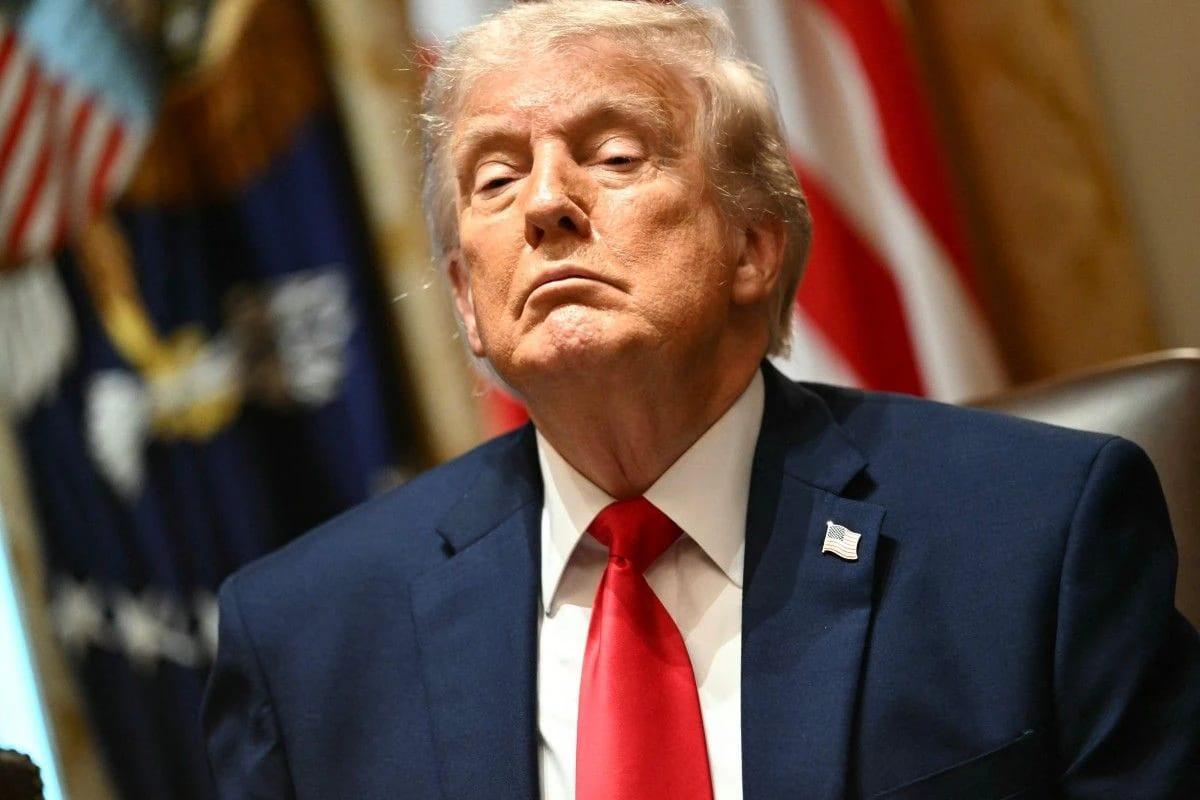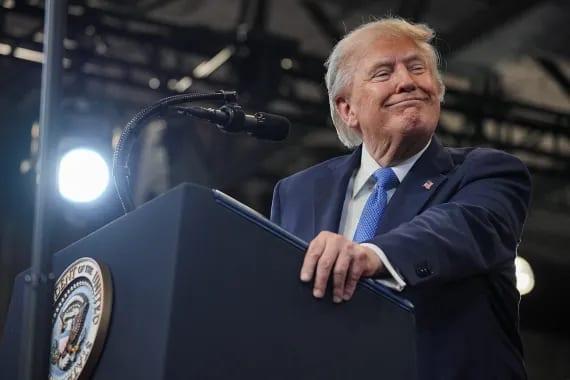
President Donald Trump announced on Friday that he will soon declare the Strait of Hormuz part of US territory after defeating Iran. Speaking at a political rally at a police academy in New York state, Trump mentioned, 'After we finish defeating Iran, which is being very badly defeated -- pretty soon I'll be declaring the Hormuz Strait a territory of the United States,' accompanied by a chuckle.
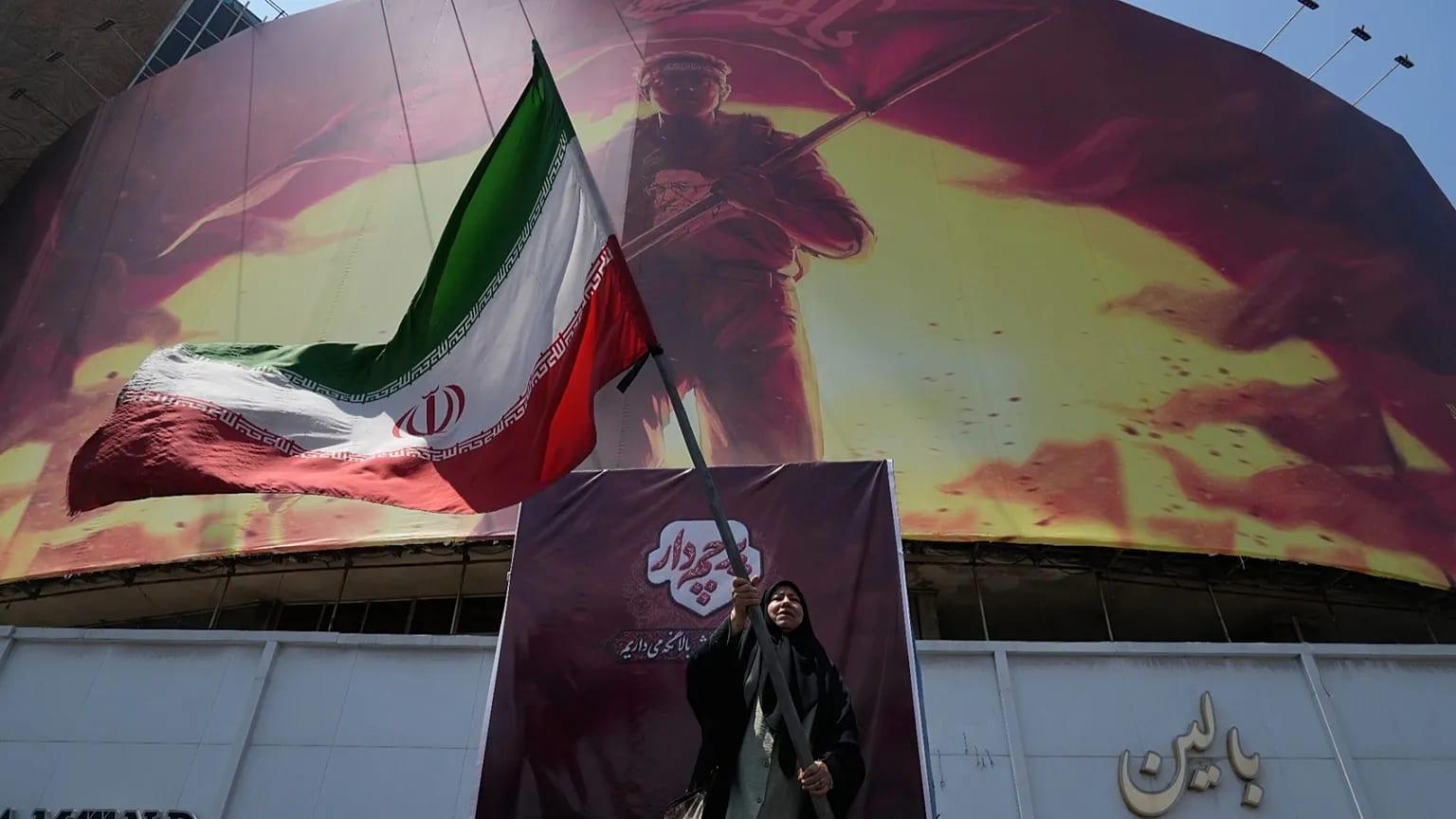
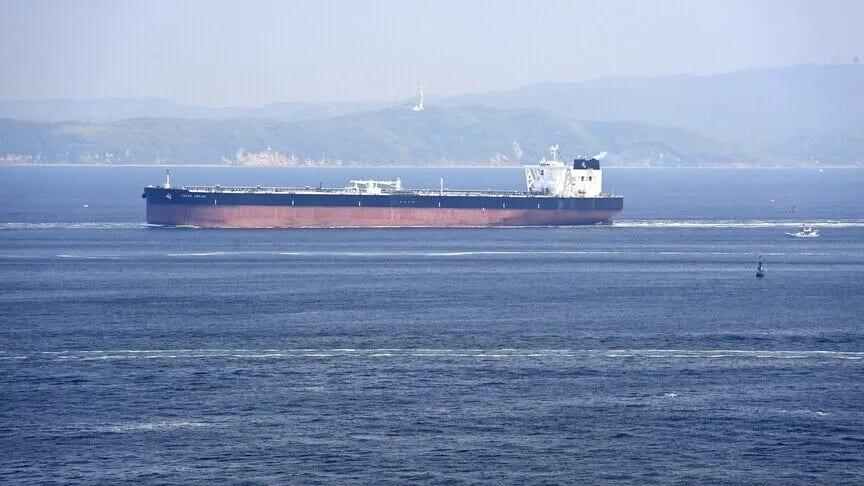
Trump, along with Israel, initiated a war against Iran on February 28, aiming to end the country's controversial nuclear program and incite a popular uprising. However, Iran retaliated by asserting de facto control over much of the Strait of Hormuz, a crucial passageway for global energy and commodity shipping.
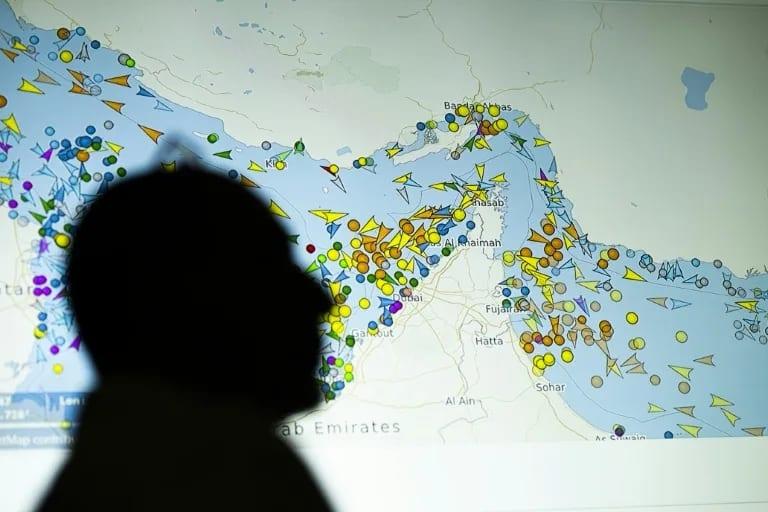
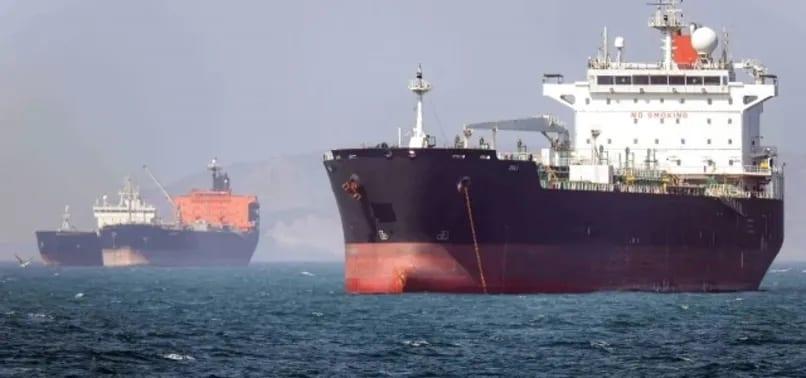
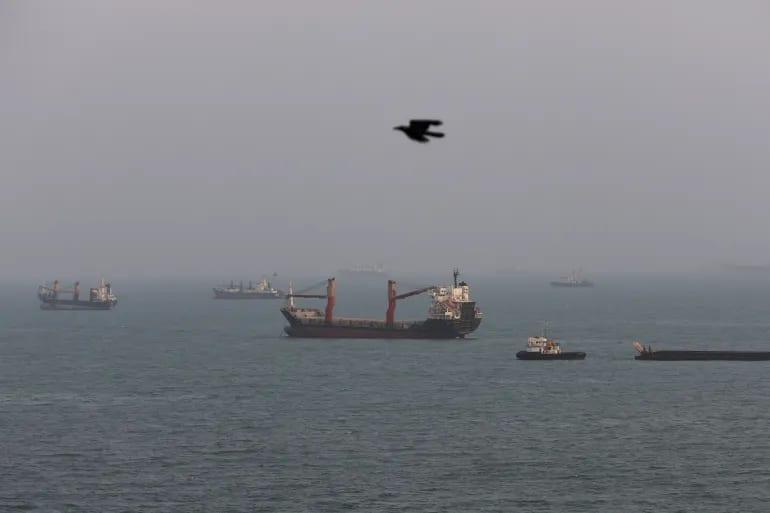
The US remains in a stalemate with Iran over the strait. Iran has denied access to much of the civilian shipping, while the US Navy has imposed a blockade on Iranian ports in an attempt to weaken its economy. Trump reassured the crowd, 'We have the blockade. No ships get through unless we want them to.'
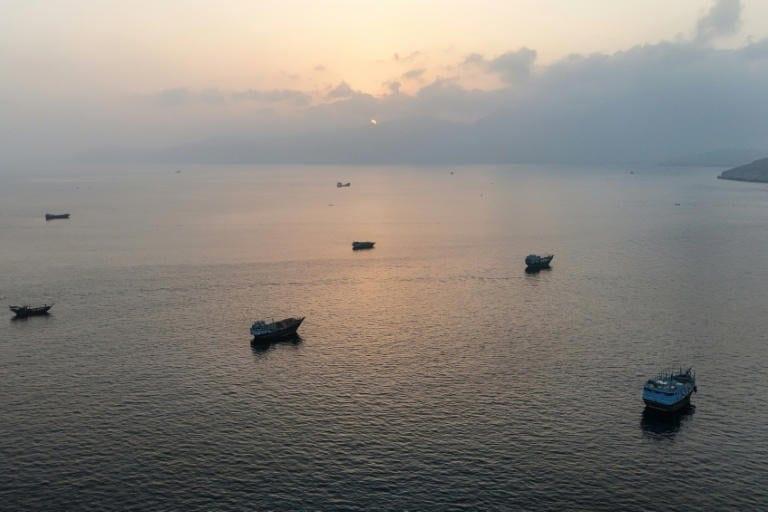
The Strait of Hormuz is a narrow waterway located between the Persian Gulf and the Gulf of Oman. It is one of the world's most strategically important chokepoints for oil shipments, with approximately 20% of the world's petroleum passing through it. Control over this strait is critical for global energy security and has been a point of contention among various nations.
Trump's declaration, if carried out, would represent a significant escalation in the ongoing conflict with Iran. It would also raise numerous international legal and geopolitical questions, as the Strait of Hormuz is internationally recognized as an international waterway. The move could provoke further hostilities and impact global trade routes.
For Bangladesh, which relies heavily on imported oil and gas, any disruption in the Strait of Hormuz could have severe economic repercussions. The country's energy security would be at risk, potentially leading to increased fuel prices and economic instability. The international community will be closely watching the developments in this critical region.