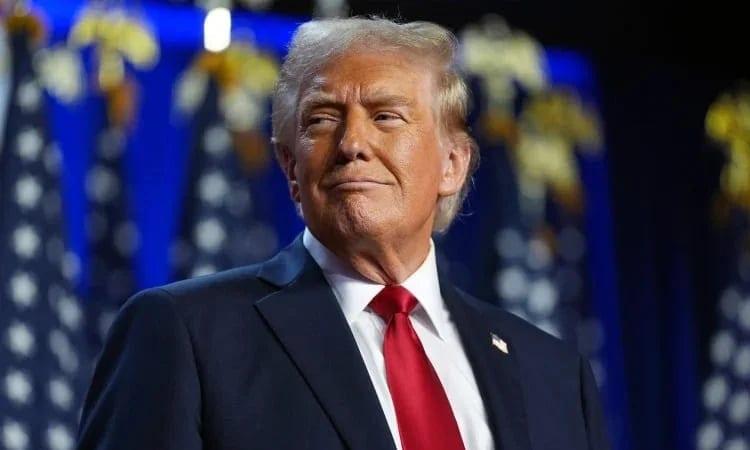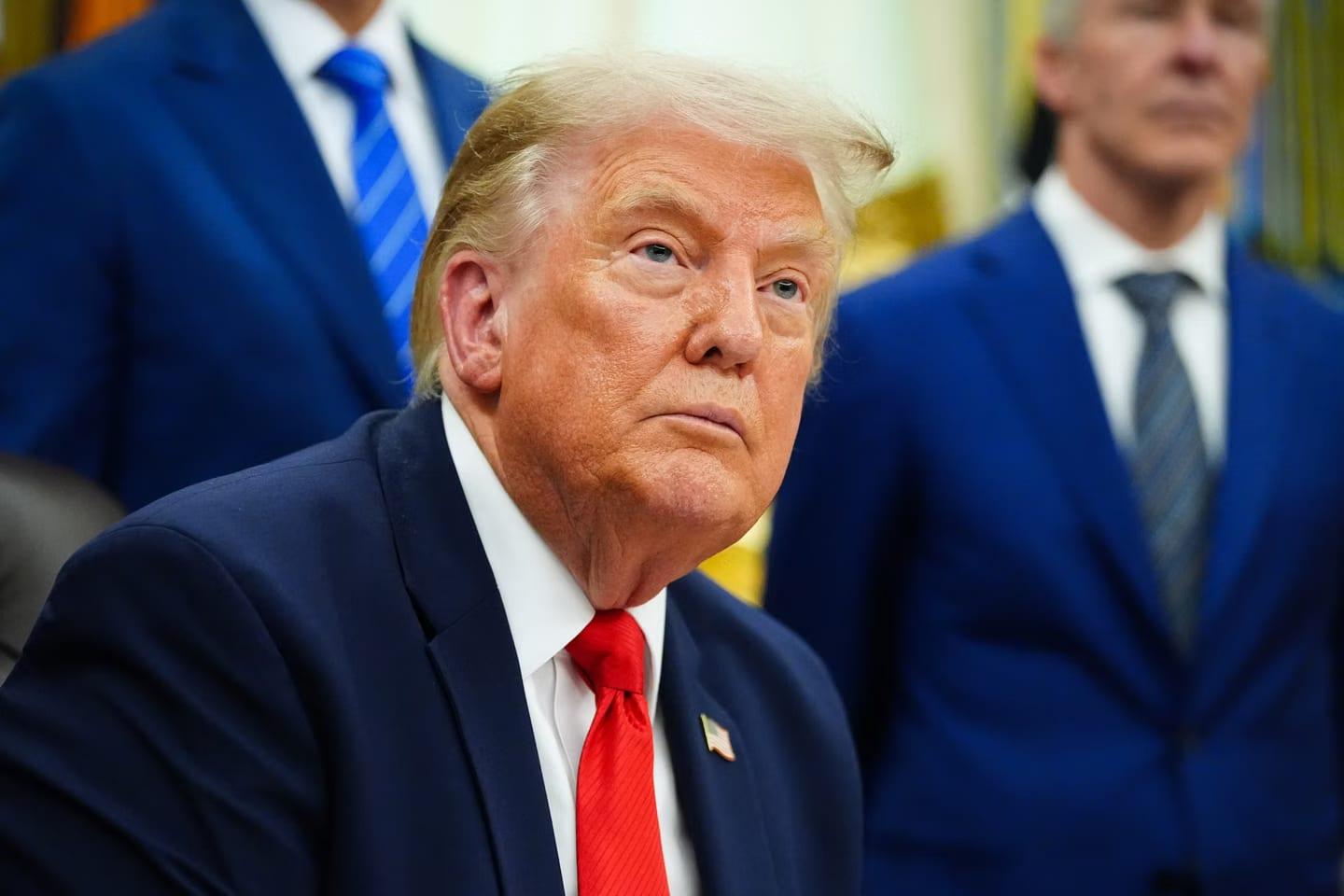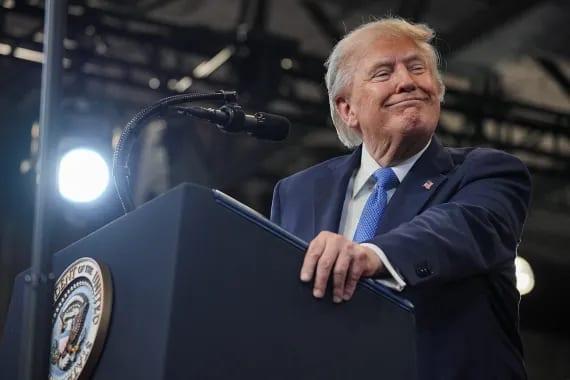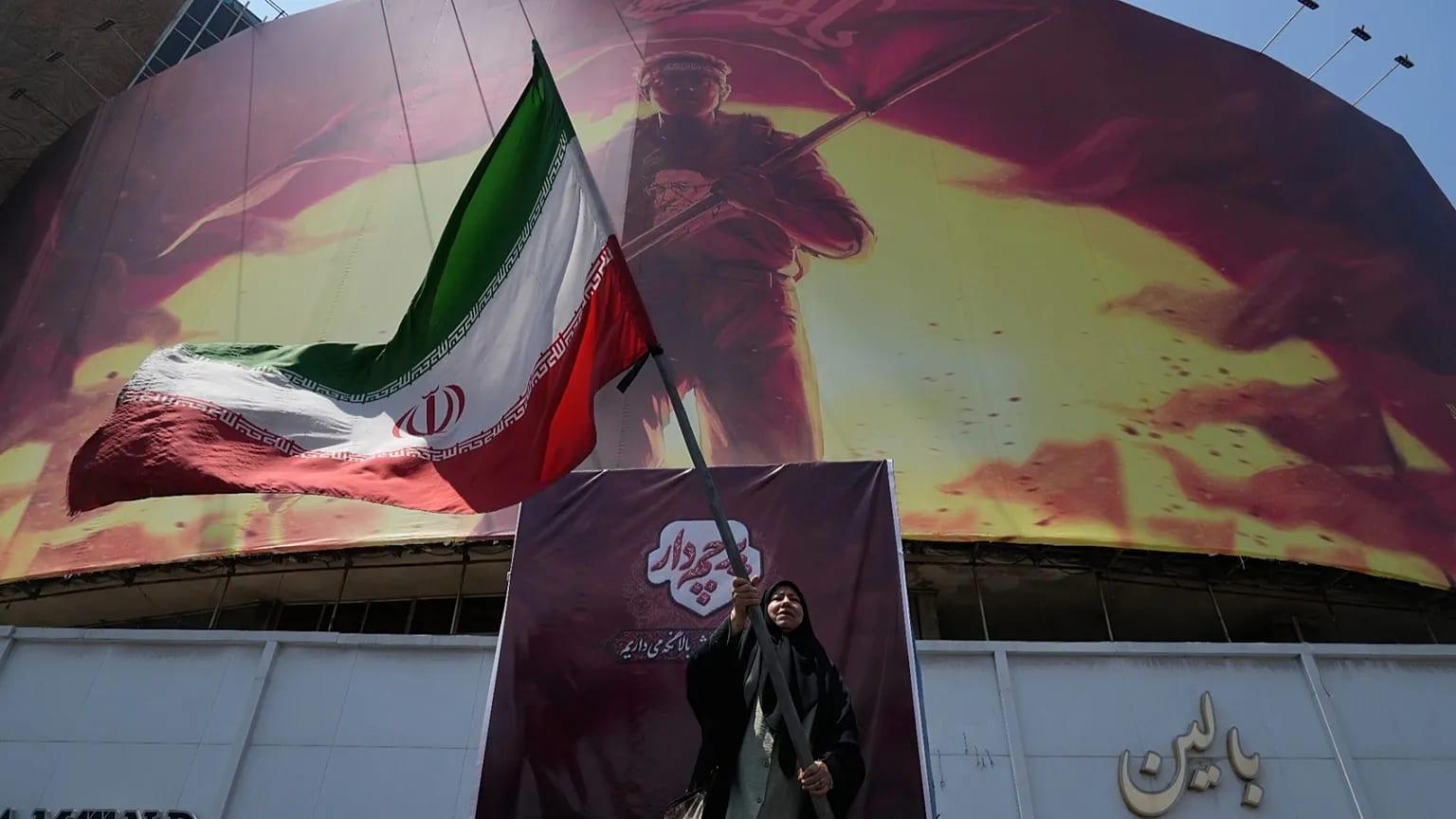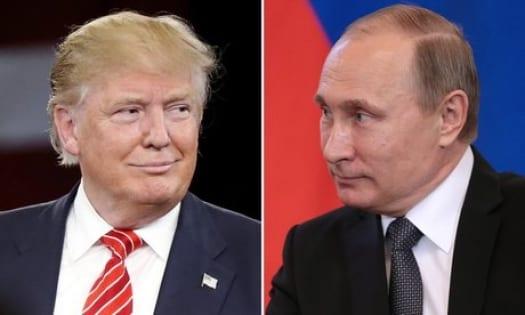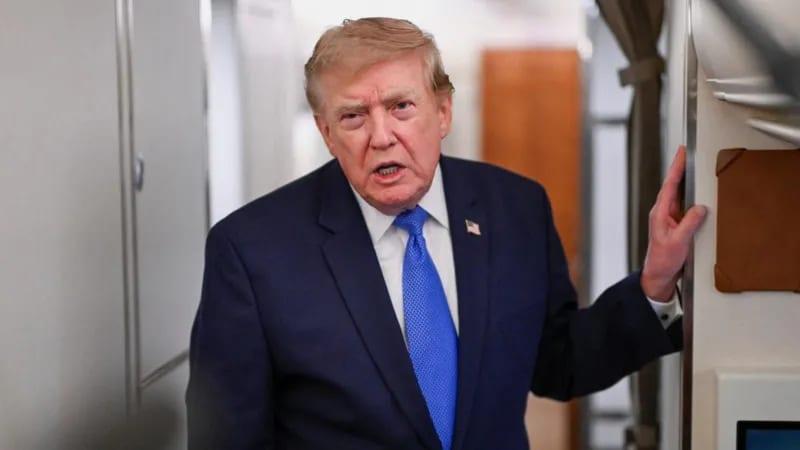
US President Donald Trump has announced that new negotiations with Iran will begin on Monday. This decision follows his call to hold off on a massive strike against the Islamic republic. The talks aim to end the ongoing war, now in its sixth month, and will focus on the Strait of Hormuz and Iran's denuclearization.
Key Issues in Talks
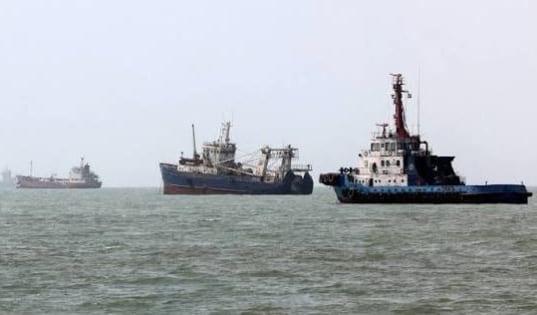
The Strait of Hormuz, a critical route for global energy supplies, has been a significant point of contention. Iran has tightened its control over the waterway, leading to disputes and strikes. Trump mentioned that the talks would address this issue and aim for the denuclearization of Iran.
Regional and Global Impact
The announcement of new negotiations led to a drop in oil prices, with West Texas Intermediate falling 4.7 percent to $80.72 per barrel at the opening of Asian trade on Monday. The conflict between Washington and Tehran, which began on February 28 with US and Israeli strikes against Iran, has seen periods of relative calm interspersed with renewed hostilities.
Trump had threatened to hit Iran 'very hard,' including potential attacks on energy infrastructure. However, he pulled back from this threat, stating that the 'perimeters' of a deal were in place. The US president claimed that Iran, along with US partners Saudi Arabia, the United Arab Emirates, and Qatar, had asked him to hold off on the strikes.
Iranian Perspective
Iran has denied asking Trump not to strike. Iranian lawmaker Hassan Ghashghavi noted that mediators are attempting to revive the US-Iran memorandum of understanding agreed upon in June. This agreement, though not a final peace deal, included provisions on the Strait of Hormuz.
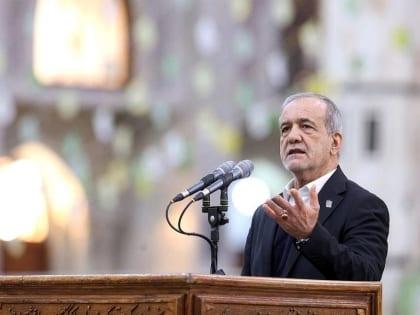
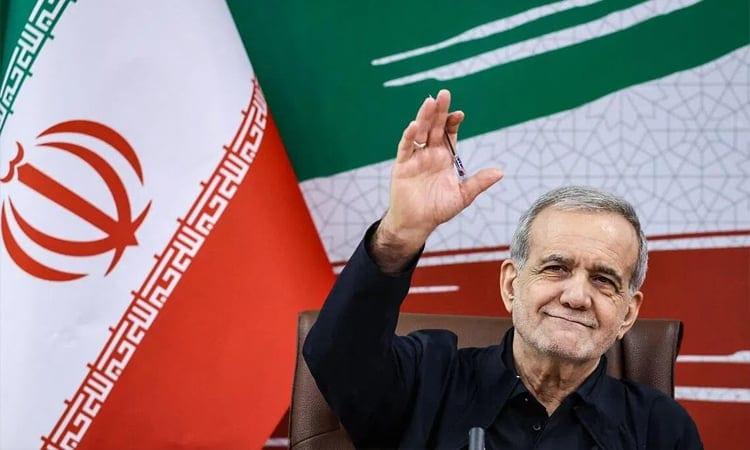
Iranian President Masoud Pezeshkian emphasized the need to compel the enemy to remain committed to signed agreements. Iran has been working on a deal with Oman over a new route through the Strait of Hormuz, which would respect the sovereign rights of both sides and safeguard national interests and security.