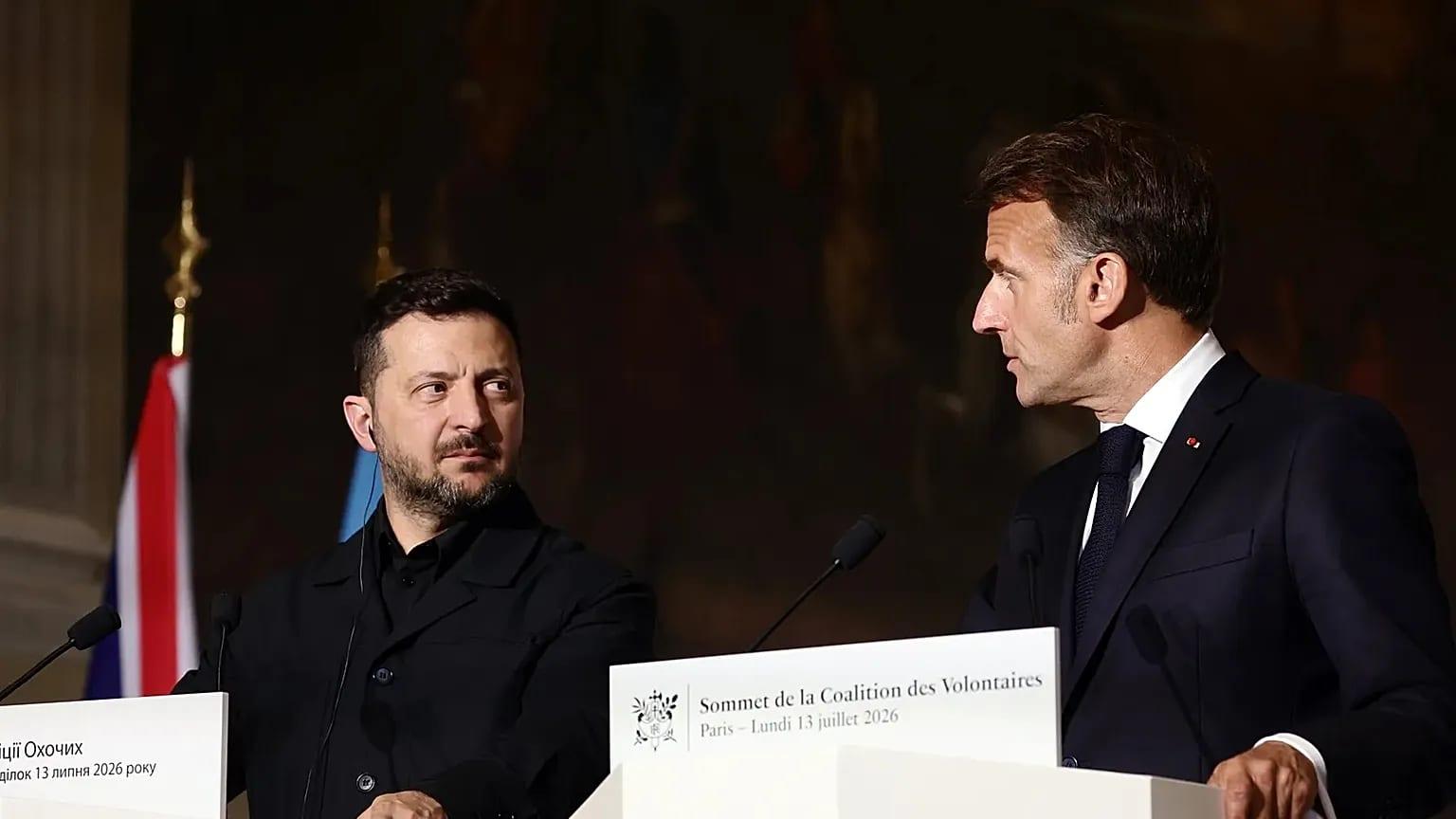
Finland has decided to join France's forward nuclear deterrence initiative, extending the measure to a country sharing a long border with Russia, the two countries said in a joint statement. This move comes as part of a new strategic partnership aimed at enhancing European security in response to shifting geopolitical dynamics.
Strengthening European Security
The decision to join France's nuclear deterrent initiative is part of Finland's broader strategy to strengthen its security posture. Following Russia's full-scale invasion of Ukraine in February 2022, Finland abandoned decades of military non-alignment and joined NATO in 2023. This shift underscores Finland's commitment to collective defense and regional stability.
In June, Finland's parliament voted to lift the country's blanket ban on nuclear weapons, allowing them to be brought into, transported through, supplied or possessed in Finland when required for the country's defense. This legislative change paved the way for Finland to participate in France's forward nuclear deterrence initiative.
France's Nuclear Deterrent Initiative
France is extending its nuclear deterrent to European allies as the continent reassesses its security in the wake of US President Donald Trump's shake-up of NATO. The initiative allows participating countries to temporarily host French nuclear-armed aircraft and engage in joint exercises, while France retains national control over its nuclear arsenal.
Finland is the tenth European country to agree to join the plan, following Britain, Germany, Poland, Sweden, the Netherlands, Belgium, Greece, Denmark, and Norway. The joint statement announced the establishment of a nuclear steering group to begin implementing this cooperation in the coming months.
Finnish President Alexander Stubb confirmed the decision, emphasizing that the French nuclear deterrent would not replace or overlap with NATO's. He stressed that Finland's foremost priority is to act as part of NATO and the European Union, highlighting the complementary nature of this initiative to existing security frameworks.