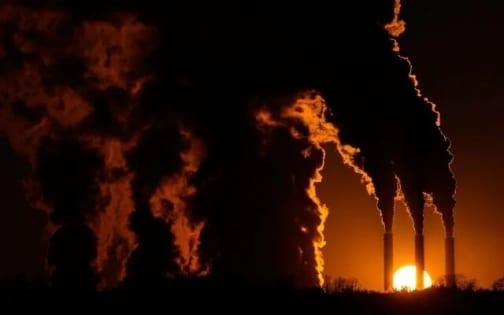
In a significant move that is expected to impact global climate efforts, the Trump administration is poised to remove limits on climate pollution from coal and gas power plants. This decision, anticipated to be announced on Monday, would roll back stringent rules introduced by former president Joe Biden's administration in 2024. These rules required coal and gas power plants to nearly eliminate their carbon emissions.
Environmental Protection Agency (EPA) administrator Lee Zeldin is expected to make the announcement during the G20 energy ministers' meeting in Houston, according to reports from Bloomberg News and the New York Times. The change signifies a major shift in US environmental policy, aligning with President Trump's skepticism about human-induced climate change, which he has often referred to as a 'hoax'.
Under the new rules, power plants will still be subject to certain limits on mercury, arsenic, and other contaminants. However, the relaxation of carbon emission limits is likely to increase the overall greenhouse gas emissions from these plants. Coal, known to emit the highest levels of greenhouse gases, will see fewer restrictions, potentially exacerbating climate change.
Since returning to office last year, President Trump has actively worked to dismantle a series of environmental regulations that limited fossil fuel use. This year, the EPA overturned its 2009 Endangerment Finding, a scientific determination that greenhouse gases threaten public health and welfare. These actions are part of a broader strategy to promote fossil fuel industries, despite the global consensus on the urgent need to reduce carbon emissions.
The rollback of these climate pollution limits is expected to have far-reaching implications, not only for the US but also for international climate agreements. As one of the world's largest emitters of greenhouse gases, the US plays a critical role in global climate policy. The decision is likely to draw criticism from environmental groups and countries committed to the Paris Agreement, which aims to limit global warming to well below 2 degrees Celsius above pre-industrial levels.