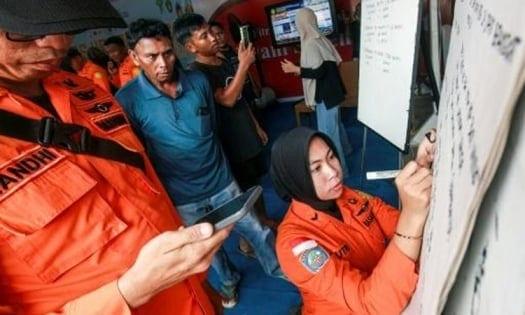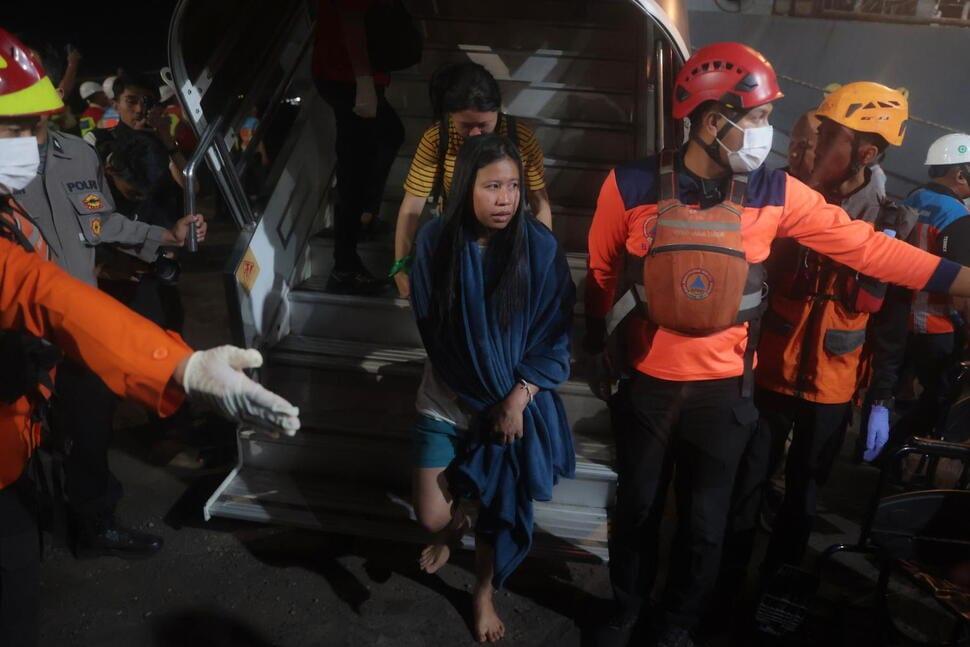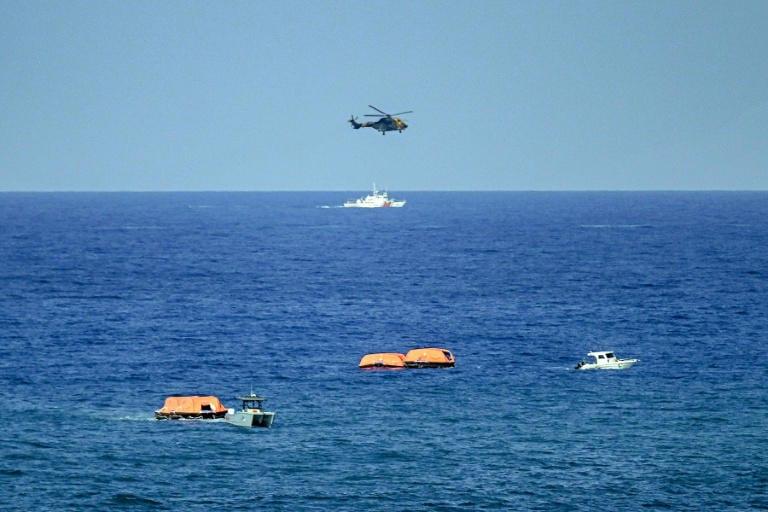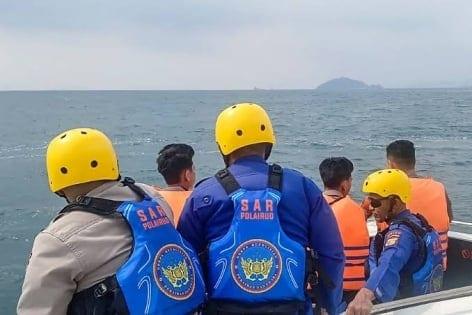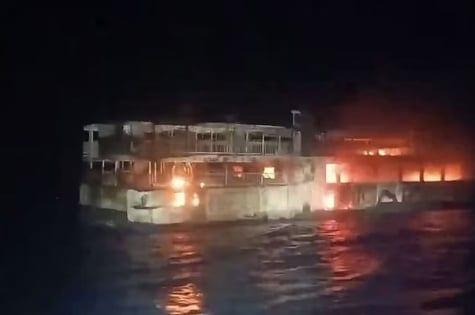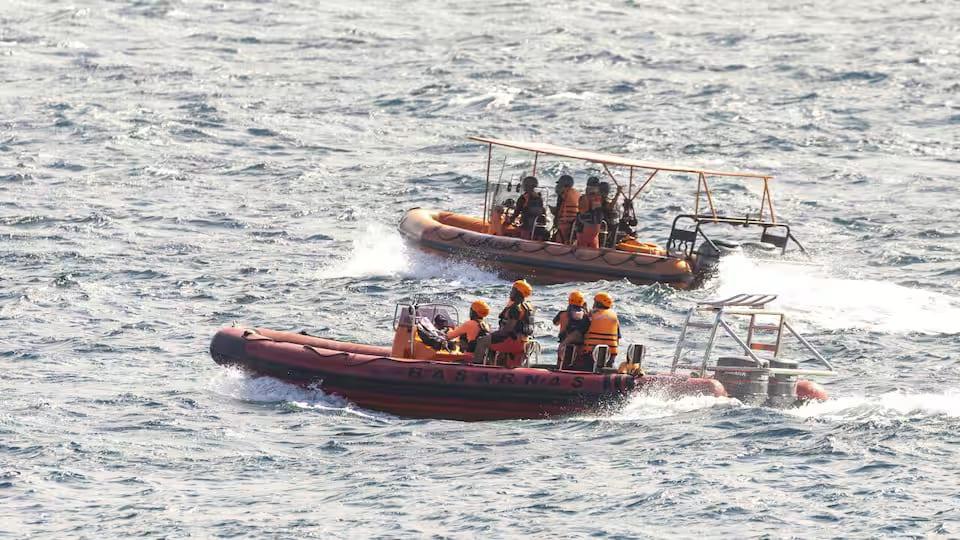
Indonesian rescuers are searching for over 100 missing passengers after a ferry capsized in rough seas off the coast of Java. The Virgo Transport 8, which was carrying 213 passengers and 30 crew members, lost contact with its shipping company early on Sunday after departing from Surabaya, Indonesia's second-largest city in East Java. National search and rescue agency chief Mohammad Syafii confirmed that six people have been found dead and 129 others are still missing, while 108 have been rescued. The search operation involves five aircraft and 17 vessels, including navy warships, focusing on the areas around the capsized ferry. Divers and underwater drones will also be deployed to search for victims in and around the wreck, which has been located. Transportation Minister Dudy Purwagandhi stated that the ferry was not overloaded and was operating below its maximum capacity of 500 people. Marine accidents are common in Indonesia due to lax safety standards and unpredictable weather. Last week, a speedboat carrying eight people, including five journalists, went missing near a volcano in Banten province, and the search for them is ongoing.
Background on Marine Accidents in Indonesia
Indonesia, an archipelago consisting of more than 17,000 islands, relies heavily on boat connections for daily transport and tourism. However, marine accidents are a regular occurrence due to lax safety standards and unpredictable weather conditions. The country's vast maritime territory and reliance on ferry services make it vulnerable to such incidents. The Virgo Transport 8 incident is one of many that highlight the need for improved safety measures and stricter regulations in the maritime sector.
Efforts and Challenges in the Search Operation
The ongoing search operation for the missing ferry passengers involves a coordinated effort from various agencies, including the national search and rescue agency, the navy, and local authorities. The use of aircraft, naval vessels, divers, and underwater drones demonstrates the extensive resources being deployed to locate survivors and recover victims. However, the challenges posed by rough seas and the vast search area complicate the operation, making it a race against time to find any remaining survivors.