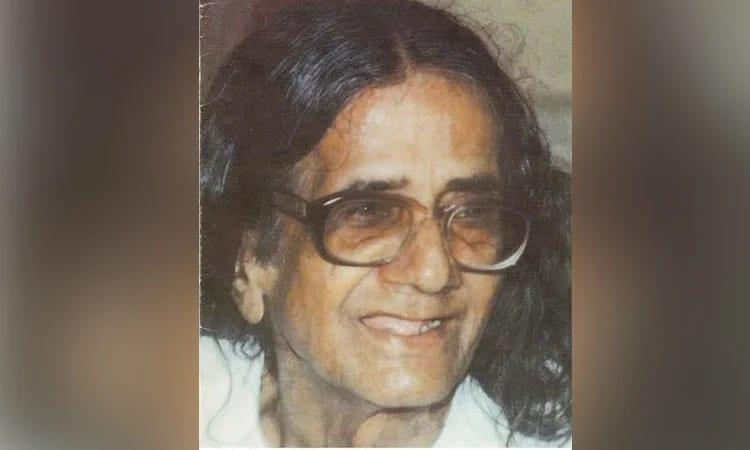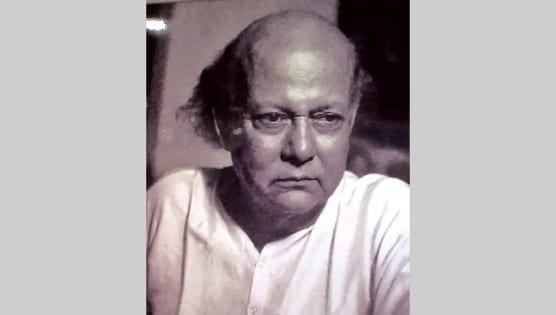
Today marks the 122nd birth anniversary of Syed Mujtaba Ali, an eminent Bengali writer, journalist, linguist, and a prominent figure in the Bengali language movement. Born on September 13, 1904, in Karimganj, Sylhet district, British Raj, Ali was a polyglot who championed the cause of Bangla as the state language of East Pakistan.
Champion of the Bengali Language
Syed Mujtaba Ali was one of the first to advocate for Bangla as the state language of East Pakistan. On November 30, 1947, at the Sylhet Kendriya Muslim Sahitya Sangsad, he passionately called for Bangla to be recognized as the national language. His activism and writings played a crucial role in the language movement, which ultimately led to the recognition of Bangla as the official language of Bangladesh.
In 1948, while serving as the principal of Azizul Huq College in Bogra, Ali wrote an influential essay titled 'The State Language of East Pakistan,' which was published in Chaturanga of Kolkata. His vocal support for the Bengali language movement drew the ire of West Pakistan rulers, who sought to impose Urdu as the sole state language. Facing potential arrest, Ali resigned and moved to India in August 1949.
A Life of Literary Contributions
Syed Mujtaba Ali's contributions to Bengali literature are vast and varied. He was a prolific writer whose works, including 'Deshe Bideshe' and 'Panchatantra,' are celebrated for their unique anecdotal storytelling style. His literary works are included in the curriculum of school-level, secondary, higher secondary, and graduation-level Bengali Literature in both Bangladesh and India.
Ali's linguistic prowess was remarkable; he could speak multiple languages including Sylheti-Bengali, standard Bengali, English, Russian, French, German, Italian, Arabic, Persian, Urdu, Hindi, Sanskrit, Marathi, Gujarati, and Pashtu. His travels and experiences across Bangladesh, India, Germany, Afghanistan, and Egypt enriched his writings and perspectives.
In 1972, following the independence of Bangladesh, Ali returned to his homeland and lived in Dhaka until his death on February 11, 1974. He was posthumously awarded the Ekushey Padak, the second highest civilian award in Bangladesh, in 2005 by the Government of Bangladesh, recognizing his immense contributions to Bengali literature and the language movement.