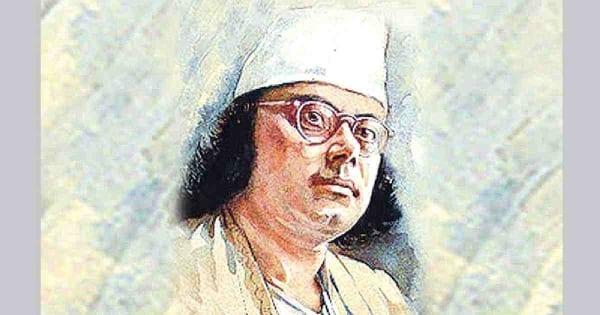
In the midst of the turbulent political atmosphere of 1926, National Poet Kazi Nazrul Islam visited Joydebpur in Gazipur to campaign as a Swaraj Party candidate for the Bengal Legislative Council election. Running for a reserved Muslim seat, Nazrul represented a vast constituency that included undivided Dhaka, Mymensingh, Faridpur, and Bakerganj in then-British India. His campaign took him across various regions of East Bengal from November 1 to November 21, 1926.
A Night of Inspiration
During his visit, Nazrul boarded a train to reach Joydebpur and the greater Gazipur region, then part of the Rajbari Pargana. The beauty of the moonlit night inspired him to write one of the most vividly imaginative poems in Bengali literature, 'Chandni Rate' (On a Moonlit Night), originally titled 'Joydebpurer Pothe' (On the Way to Joydebpur). Mukul Kumar Mallick, former principal of Bhasha Shahid College in Gazipur, noted that Nazrul penned the poem at night while traveling by train in November 1926.
Upon arriving in Gazipur, Nazrul stayed overnight at the Dak Bungalow of the then-Bhawal King, conducted his political outreach the following day, and continued his journey. Famous poet Abdul Kadir accompanied him on this trip. According to Gazipur-based historians and researchers, the harsh realities and conflicts of electioneering failed to dim the poet’s sense of beauty.
Legacy and Calls for Preservation
Reflecting on the historical significance of the visit, senior Gazipur advocate Subodh Chandra Das said, 'Authentic records confirm that Kazi Nazrul Islam came to Joydebpur in 1926 for election campaign work. This tour remains a glorious chapter in Gazipur's political and cultural history.' However, he expressed regret that no government initiative has been taken to establish an institution in Gazipur to preserve Nazrul's legacy.
Mehedi Hasan Biplob, current chairman of the 'Bidrohi Kobi Smriti Sangsad,' founded by the late Nazrul Islam Badami in Gazipur, appealed to the government to include the poem 'Joydebpurer Pothe' in the national curriculum. Historians and local cultural activists believe that identifying the Bhawal King's Dak Bungalow, erecting a memorial plaque, and incorporating 'Joydebpurer Pothe' into school textbooks will permanently preserve the National Poet's historical footprint in the region.