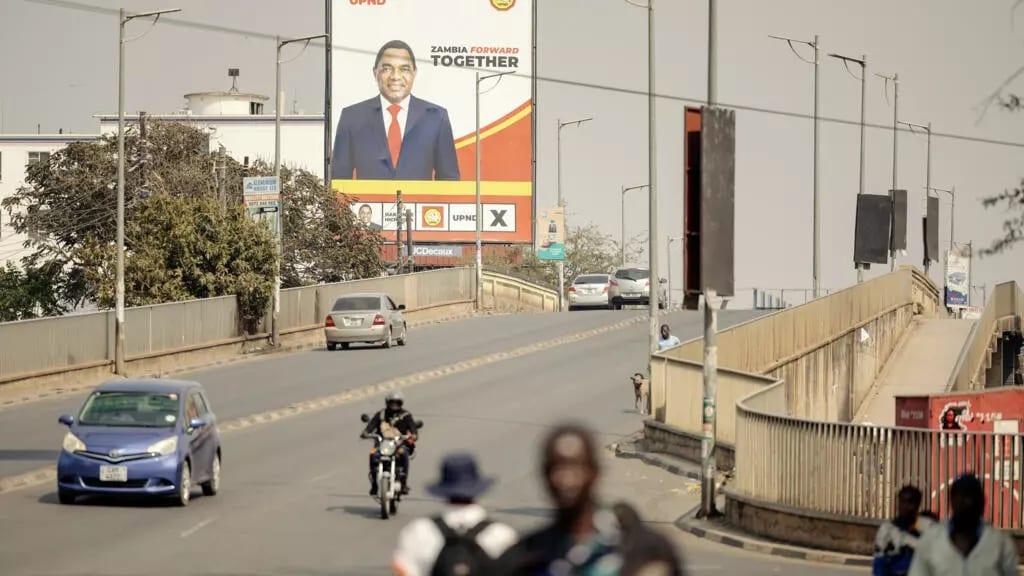
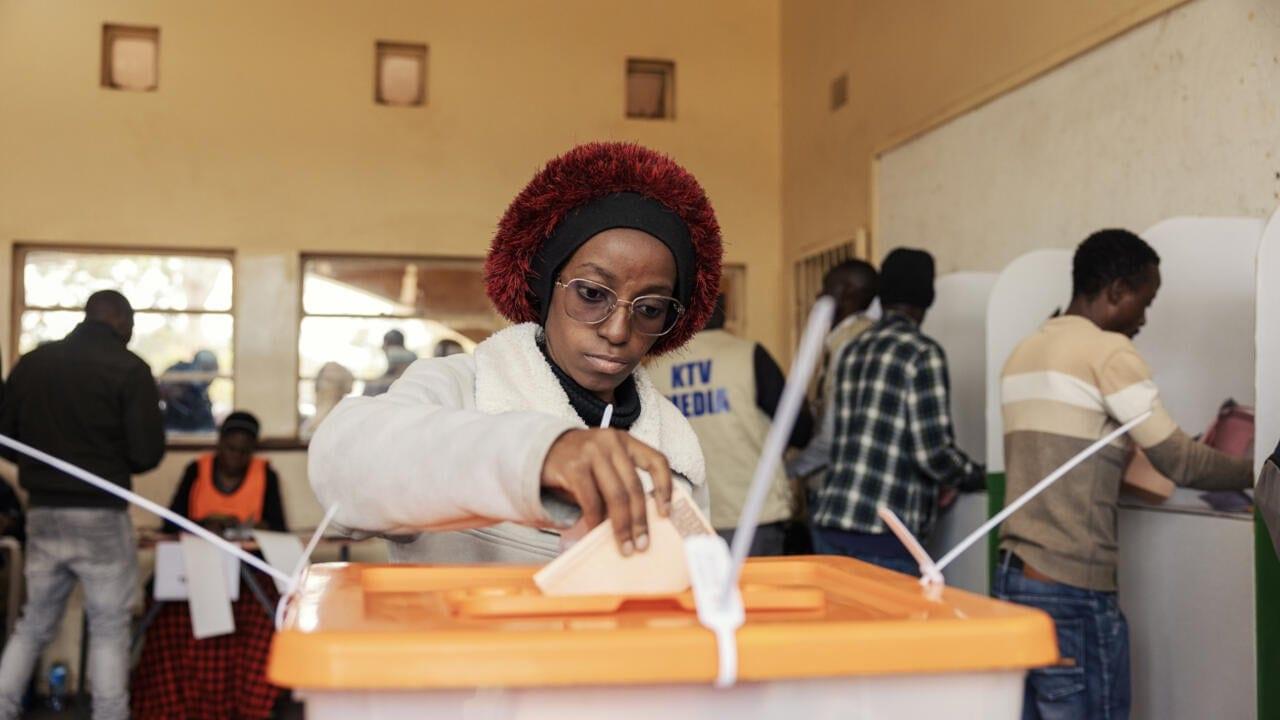
Zambia's President Hakainde Hichilema was sworn in for a second term on Tuesday, marking a significant political event in the copper-rich nation. The ceremony, held at the Lusaka stadium, was attended by thousands of supporters and a handful of African leaders. Hichilema, a 64-year-old tycoon, secured 60 percent of the vote in the August 13 election, defeating former provincial government minister Brian Mundubile, who received 38 percent. However, the election was marred by allegations of intimidation, pro-government bias, and restrictions on the opposition, casting a shadow over Zambia's democratic reputation.
The main opposition leader, Mundubile, is currently in jail on treason charges, following a raid on his home by security forces on August 14. Mundubile and his running mate, Makebi Zulu, surrendered to police nearly two weeks later and have been charged with treason, which they deny. International observers have criticized the arrests and the pause in ballot-counting, along with opposition claims of intimidation before the vote.
Hichilema's first term, which began in 2021, has been marked by significant economic reforms. He pursued market-friendly policies, abolished the death penalty, and made primary and secondary education free. Despite these achievements, critics argue that the economic growth has not yet improved living standards for ordinary Zambians, with more than 70 percent of the population living on less than three dollars a day, according to World Bank data.
There are also concerns about the narrowing space for political dissent under Hichilema's government. The arrest of Mundubile and his associates has raised questions about the state of democracy in Zambia. Mundubile and Zulu have roots in the Patriot Front party, which was led by Hichilema's predecessor and bitter rival, the late Edgar Lungu.
Copper remains the backbone of Zambia's economy, generating around 70 percent of export earnings. China is a major investor and the largest bilateral creditor. Since gaining independence from Britain in 1964, Zambia has been known for its stable democracy and peaceful transfers of power. However, the recent election and the ongoing political turmoil suggest that this reputation may be at risk.
For Bangladeshi readers, the situation in Zambia serves as a reminder of the importance of maintaining democratic norms and ensuring fair elections. It also highlights the challenges faced by developing nations in balancing economic growth with social welfare and political stability.