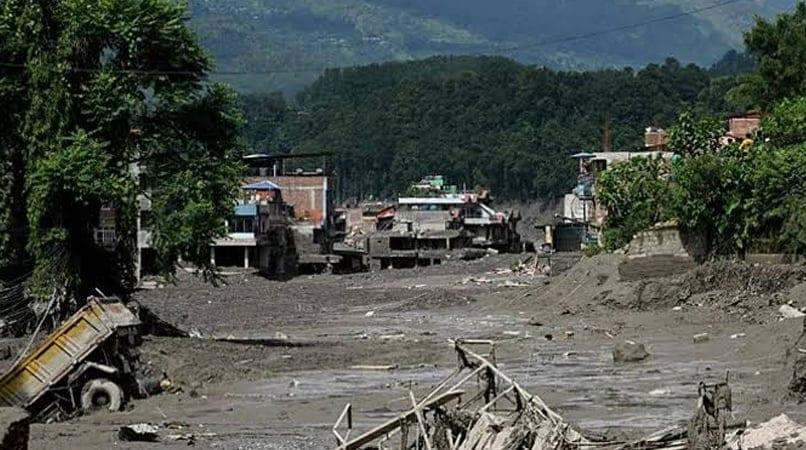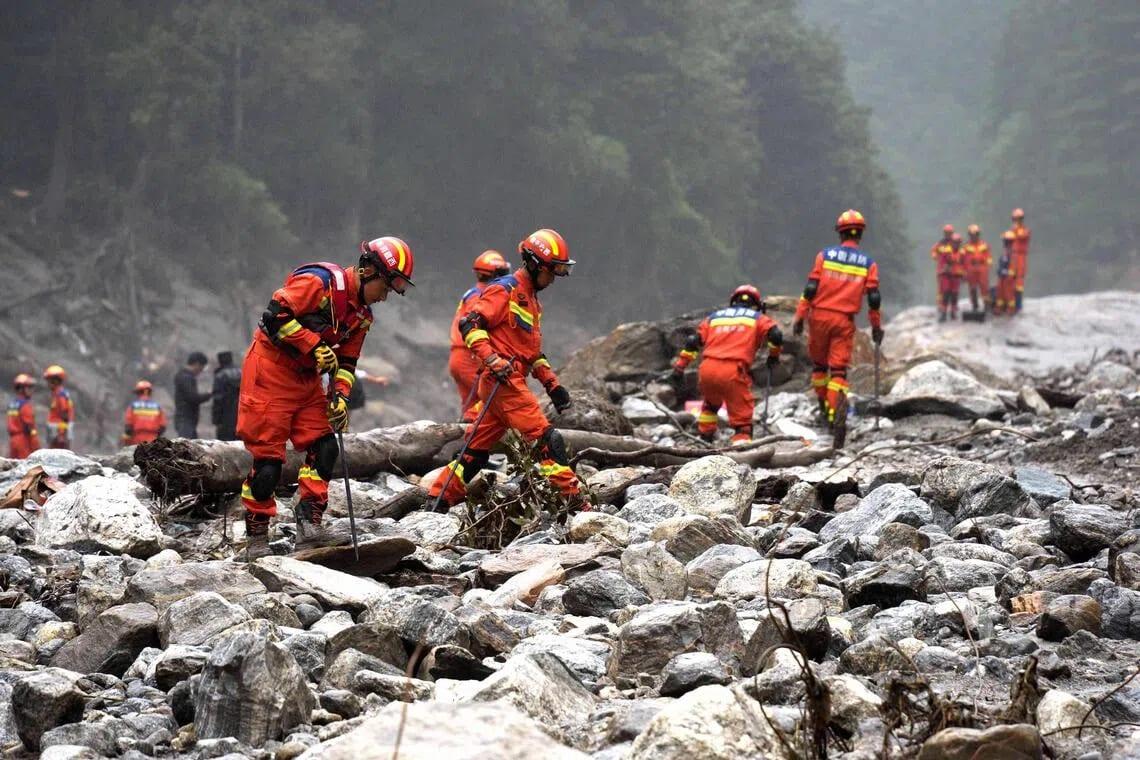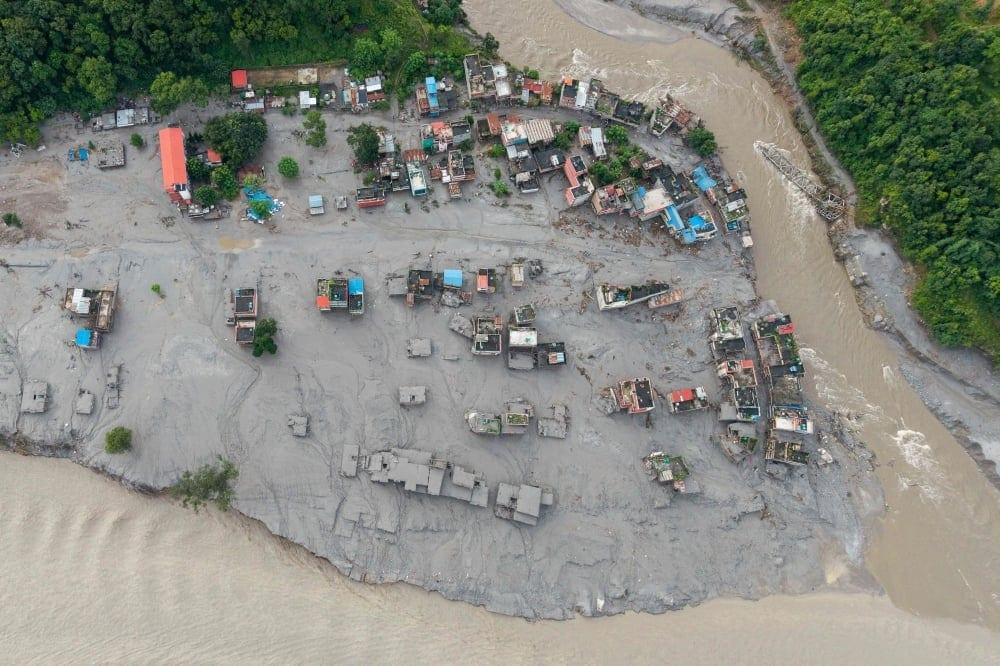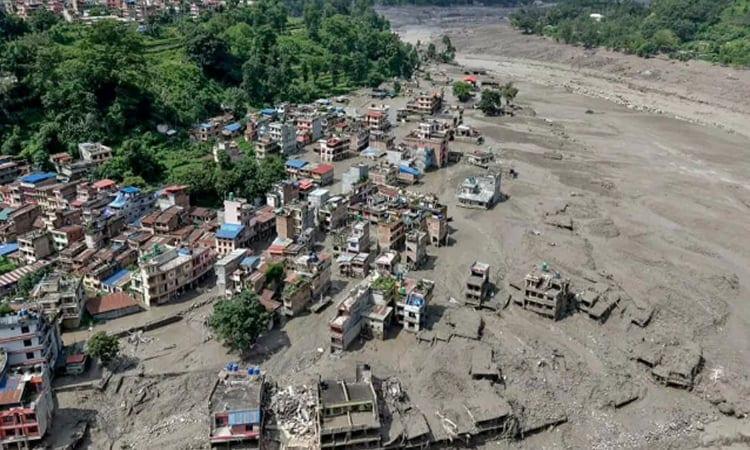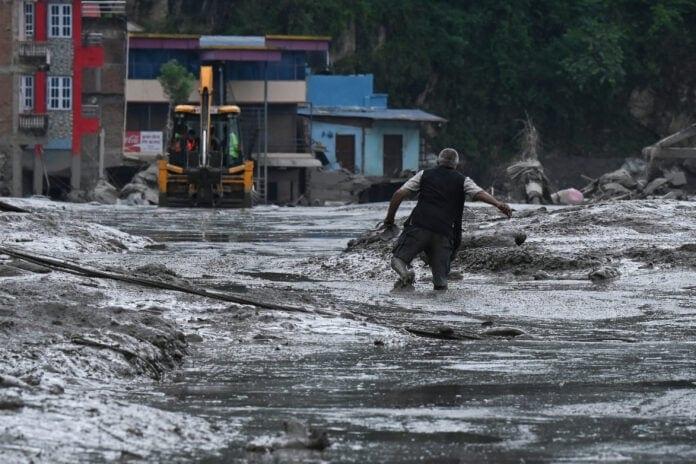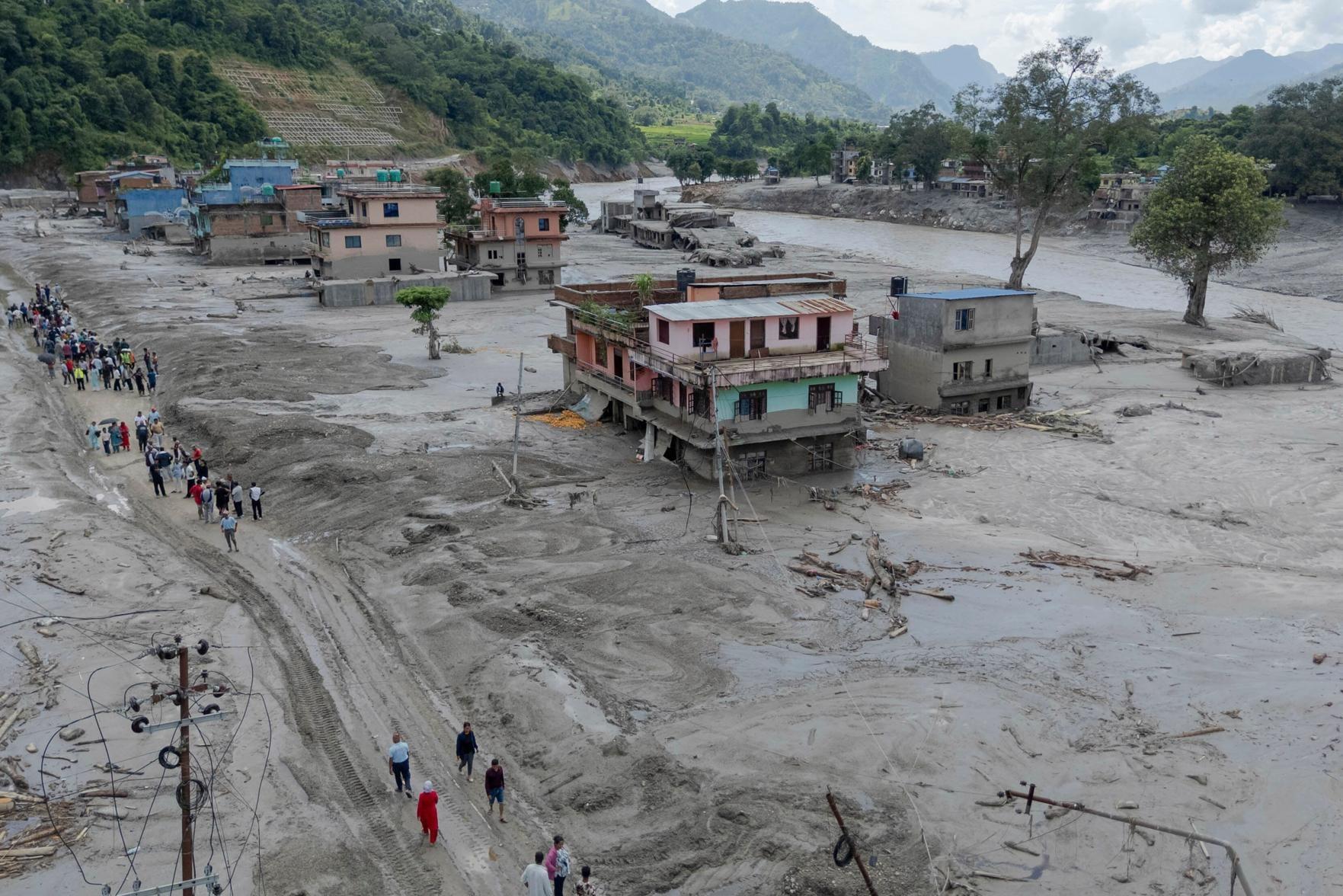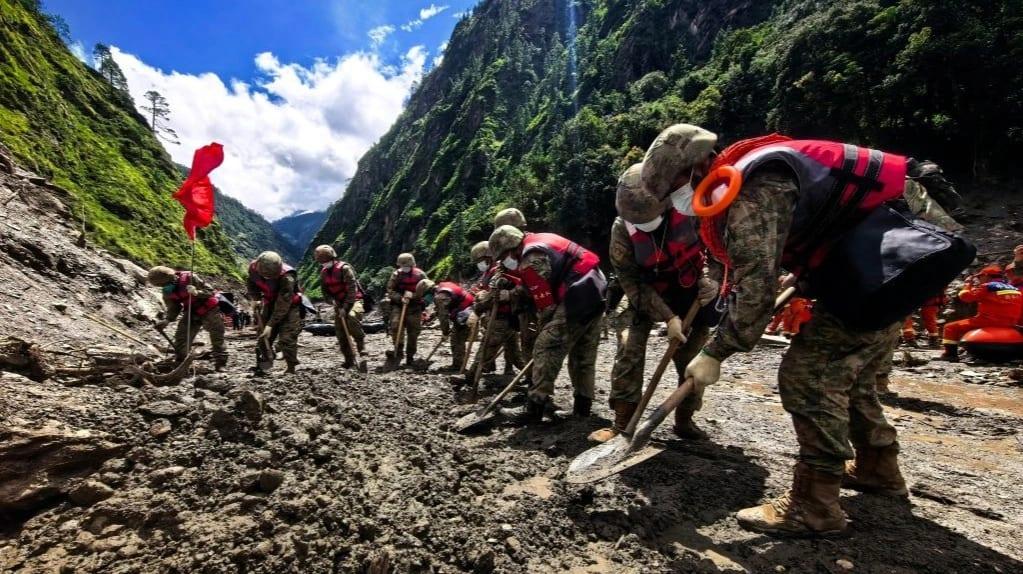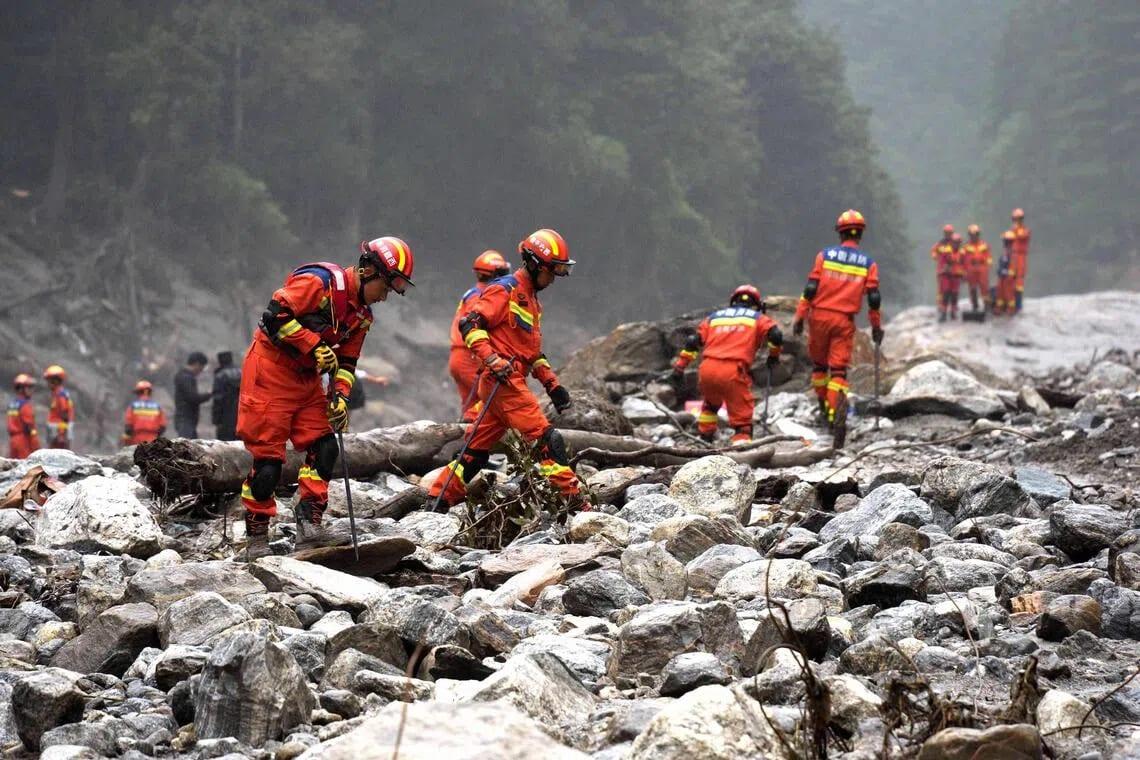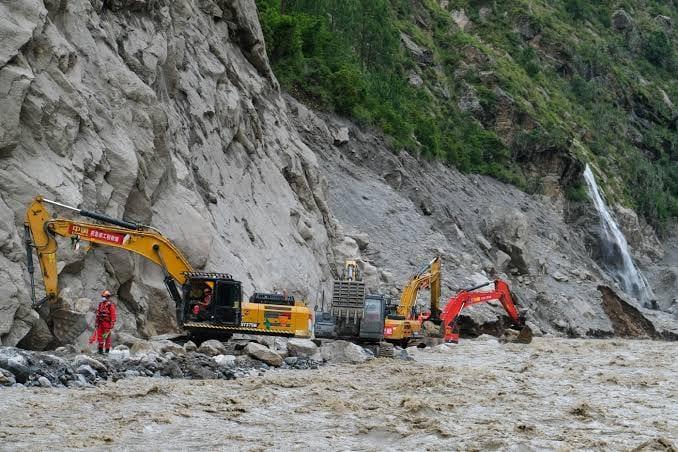
Chinese authorities have penalized 10 individuals for spreading misinformation about a deadly mudslide along the Nepal border. The penalties, which could range from fines to 10 days in detention, come as rescuers continue their search for hundreds of missing people at a border crossing on the Tibetan side. The mudslide, which struck last week, has caused extensive damage and loss of life in both Nepal and Tibet.
The misinformation shared by the 10 individuals suggested that the number of missing or dead was significantly higher than the officially reported figures. According to a statement by the cybersecurity bureau of China's Ministry of Public Security, one individual, surnamed Qiu, claimed online that "the news reports 1,400 fatalities, but in reality 3,000 people had previously been reported missing." Another individual, surnamed Liu, asserted that more than 3,000 people died in China as a result of the mudslide.
The floods have resulted in at least 903 deaths in Nepal, with 4,247 people reported missing. In Chinese-administered Tibet, 16 have died and 546 people are missing. The mudslide flattened an area of approximately 0.7 square kilometers, equivalent to 98 football pitches, according to Chinese state media.
FAQs
What led to the mudslide?
The mudslide was caused by a devastating wall of water that tore through parts of Nepal and Tibet. The exact cause of the wall of water is not specified in the provided notes, but such events are often triggered by heavy rainfall, glacial lake outbursts, or other natural phenomena.
How are the rescue efforts proceeding?
Rescuers on both sides of the border are continuing their search operations. Despite the challenging conditions, teams are working tirelessly to locate and assist those who are missing.
What were the penalties for spreading misinformation?
The penalties for spreading misinformation ranged from fines to 10 days in detention. The specific punishment each individual received was not detailed in the provided notes.
Why is spreading misinformation harmful in such situations?
Spreading misinformation during a disaster can cause panic, divert resources away from actual rescue efforts, and create confusion among the public. It undermines the credibility of official reports and can lead to further chaos and distress.