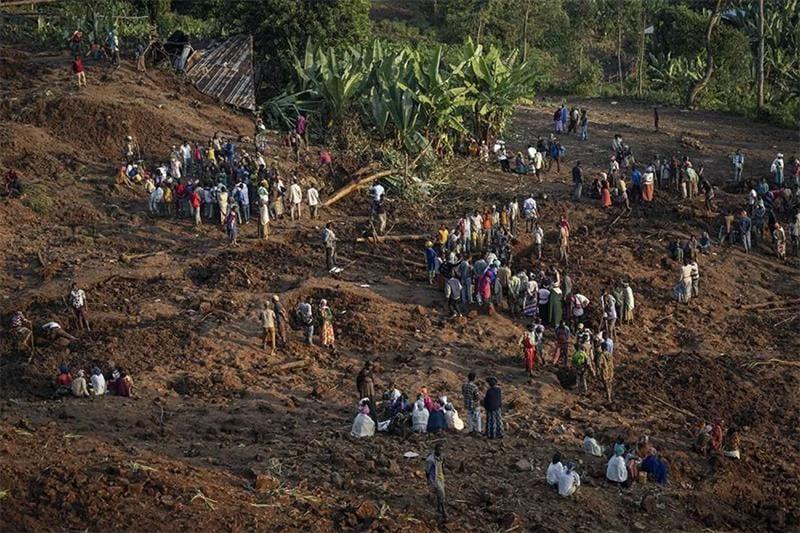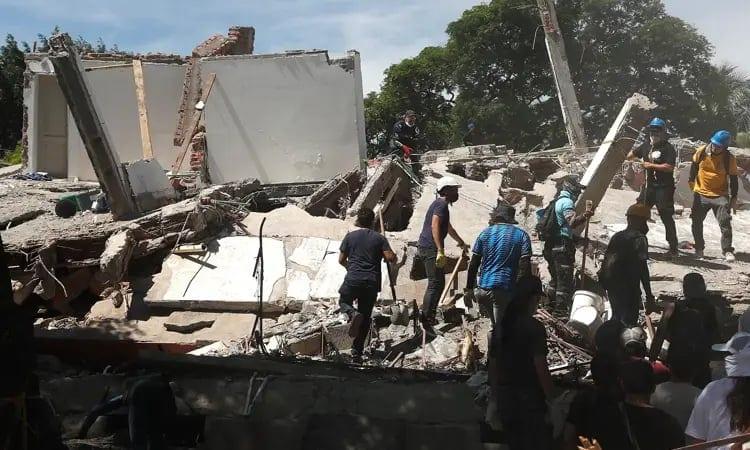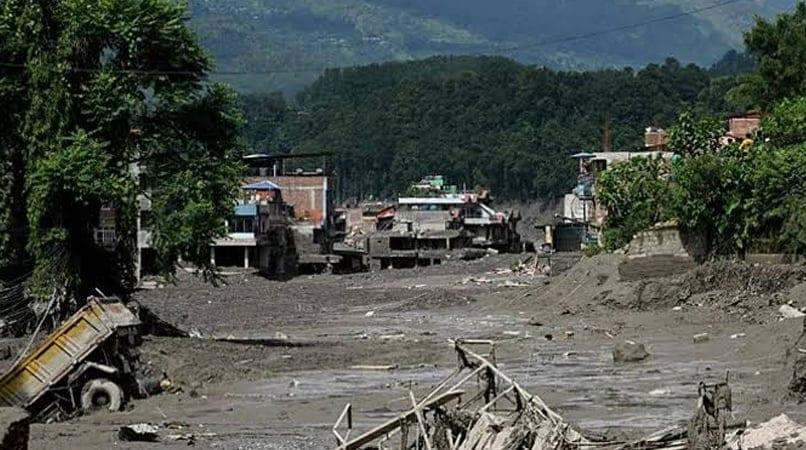
Chinese authorities have confirmed that three people have died and 265 others are missing following a massive mudslide that struck Tibet on Wednesday. The mudslide, which originated in Nepal, has caused significant devastation in the region. State media reported these preliminary figures from local officials, highlighting the urgent need for ongoing rescue operations.
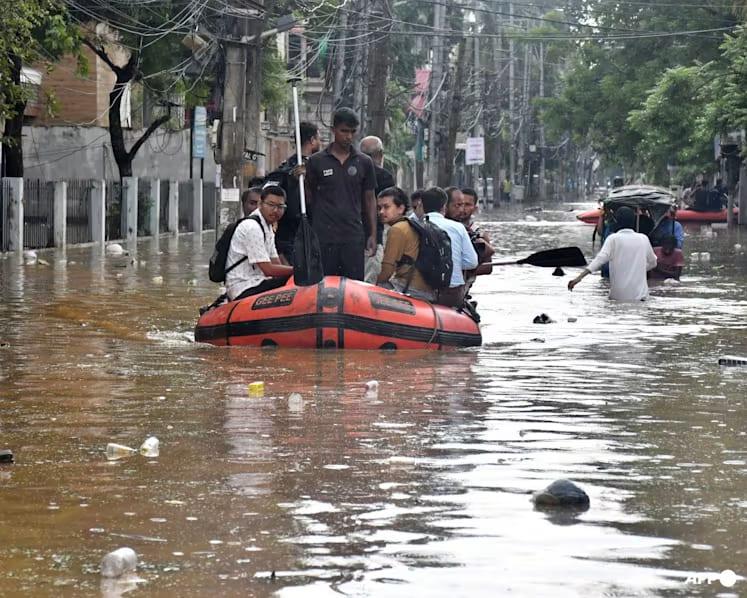
The mudslide has compounded the ongoing crisis at the Nepal-China border, where massive flooding has already claimed at least 95 lives and left more than 400 travelers unaccounted for, according to Nepalese authorities. Rescue teams from both countries are working tirelessly to assist those affected and to gather accurate information about the casualties.
It remains unclear whether there is any overlap between the casualty figures reported by Chinese and Nepalese authorities. Chinese state broadcaster CCTV noted that specific casualty figures are still being verified, underscoring the complexity of the disaster and the challenges in coordinating rescue efforts across international borders.
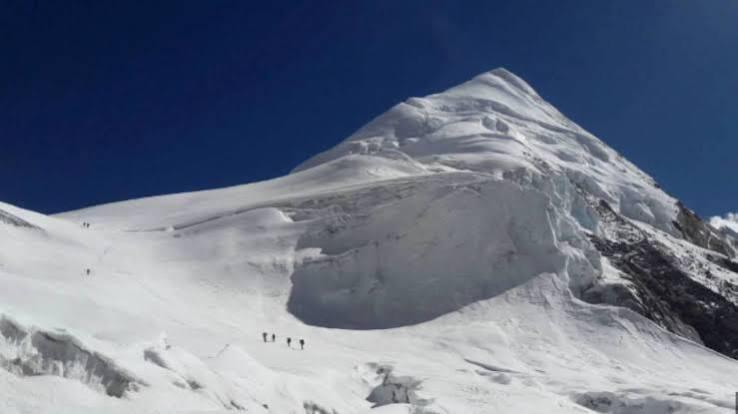
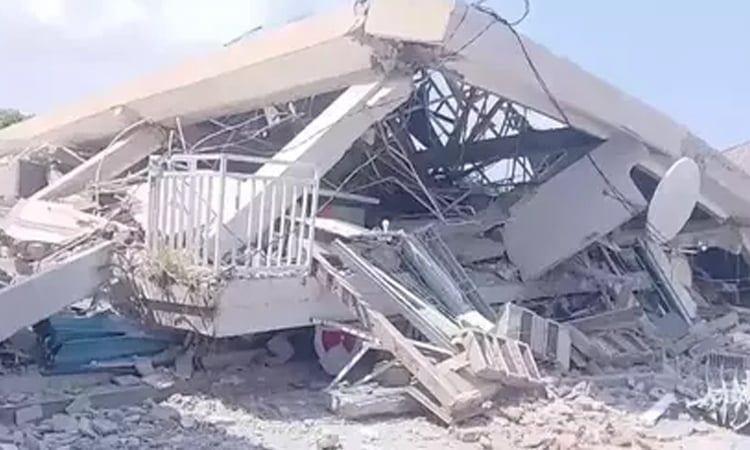
The Tibet region, known for its rugged terrain and susceptibility to natural disasters, has been particularly hard-hit by this event. The mudslide has disrupted local communities, damaged infrastructure, and posed significant challenges for emergency responders. The situation is being closely monitored as efforts continue to search for missing individuals and provide aid to those affected.
Natural disasters such as mudslides and floods are not uncommon in the Himalayan region, where geological and climatic conditions create a volatile environment. The recent events highlight the need for robust disaster preparedness and international cooperation in managing such crises. Authorities on both sides of the border are expected to provide further updates as the situation evolves.
For Bangladesh, this disaster serves as a stark reminder of the potential impacts of natural calamities in neighboring regions. The country, which shares similar geographical and climatic characteristics with parts of Nepal and Tibet, must remain vigilant and prepared for such eventualities. Strengthening disaster management capabilities and fostering regional cooperation are crucial steps in mitigating the effects of such disasters.