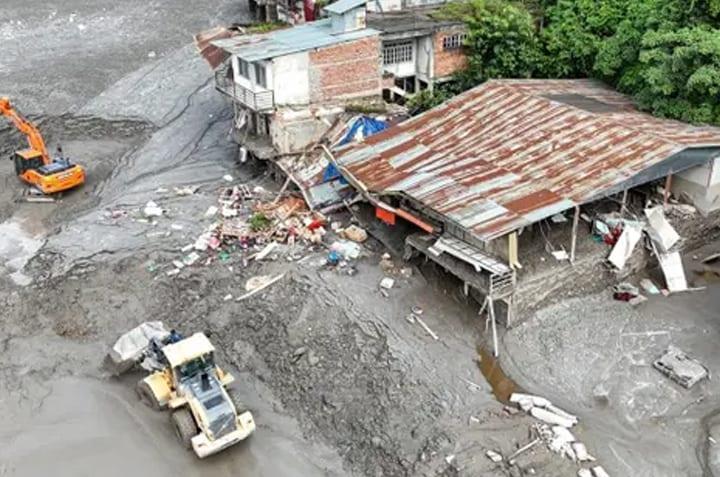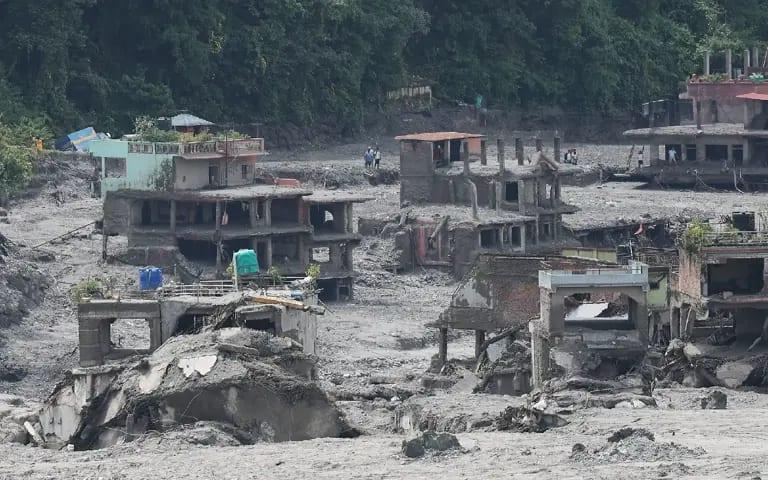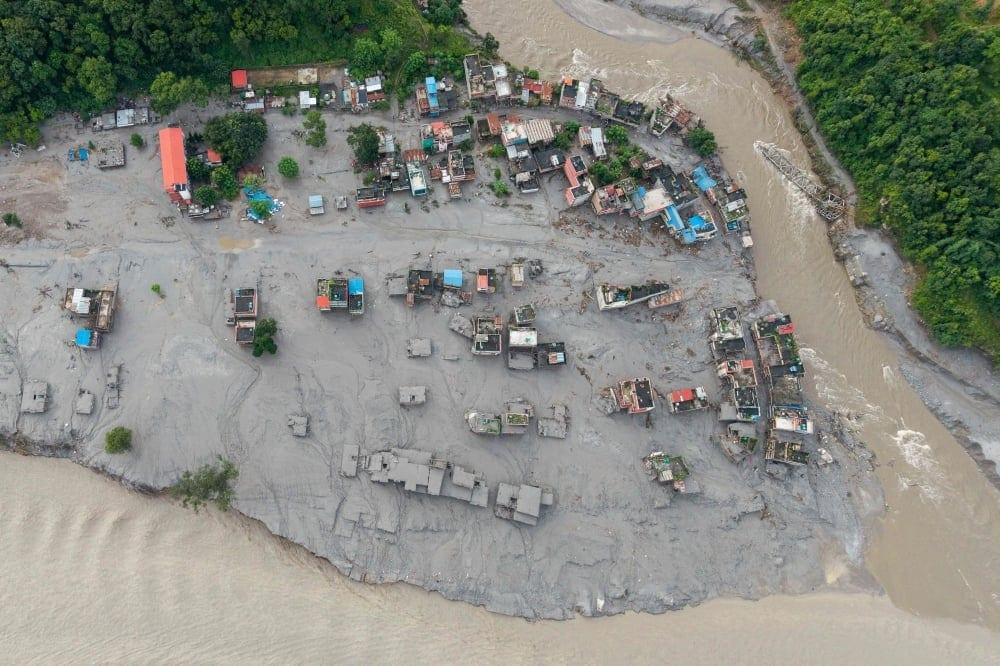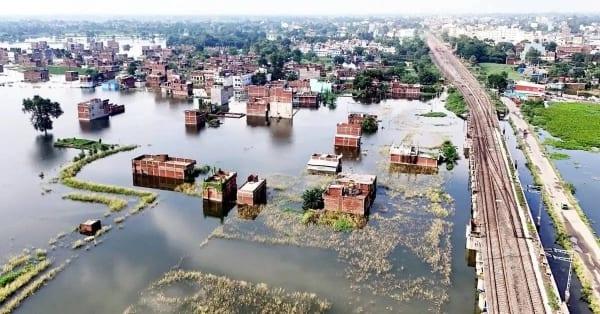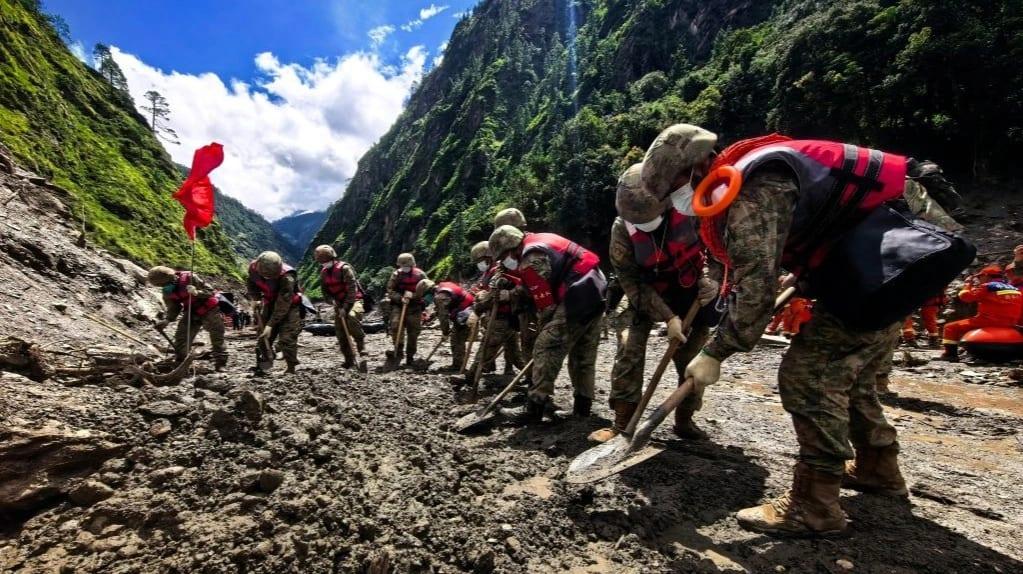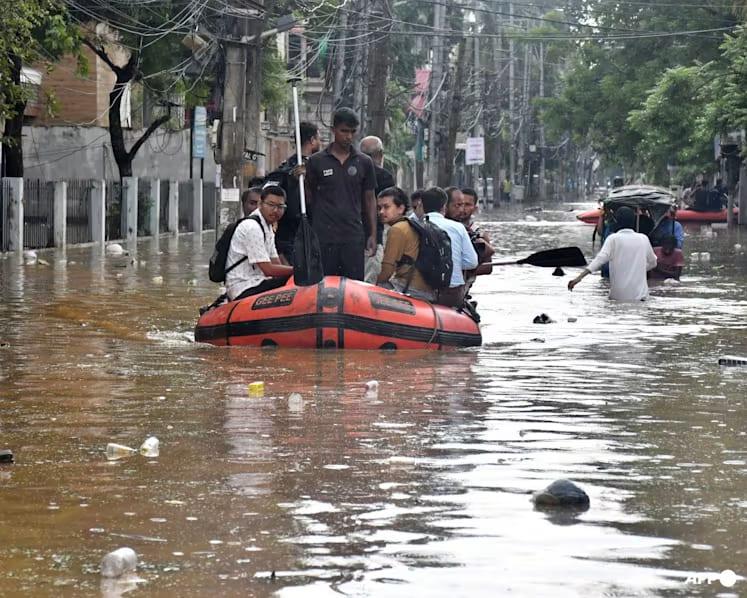
Nearly 100 people have perished in the catastrophic floods that have devastated India's northeast, particularly in Assam state, according to an official update. The floods, among the worst in years, have left thousands homeless and submerged vast areas of farmland, affecting nearly 170,000 people. Climate experts attribute the escalating severity of these floods to a combination of climate change and inadequate urban planning.
What caused the floods?
The floods in Assam are a result of the annual monsoon season, which typically lasts from June to September. The Brahmaputra River, India's largest, and its tributaries overflow, leading to widespread inundation. However, experts highlight that climate change, coupled with poorly planned development and illegal coal mining in neighboring Nagaland, has exacerbated the disaster's impact.
What are the immediate effects?
The floods have submerged over 14,000 hectares of cropland, an area almost one-and-a-half times the size of Paris. Thousands have been evacuated to temporary shelters, with reports of entire villages being buried under mud. The death toll stands at 97, with Assam's Chief Minister expressing sorrow over the loss of life, including a 13-year-old boy who died trying to save his pet.
How are the authorities responding?
India's Health Minister, J.P. Nadda, has visited the affected region, acknowledging the massive scale of the disaster. He stated that restoring normalcy would take considerable time. Assam Chief Minister Himanta Biswa Sarma has pledged to address the issue of illegal coal mining with the national government, which residents believe has worsened the flooding.
What is the role of climate change?
Advocacy group Climate Trends links the increasing severity of floods in Assam to global warming, changing river dynamics, and increased human exposure. They suggest these factors are making floods more frequent, complex, and costly, underscoring the urgent need for climate action and sustainable development practices.