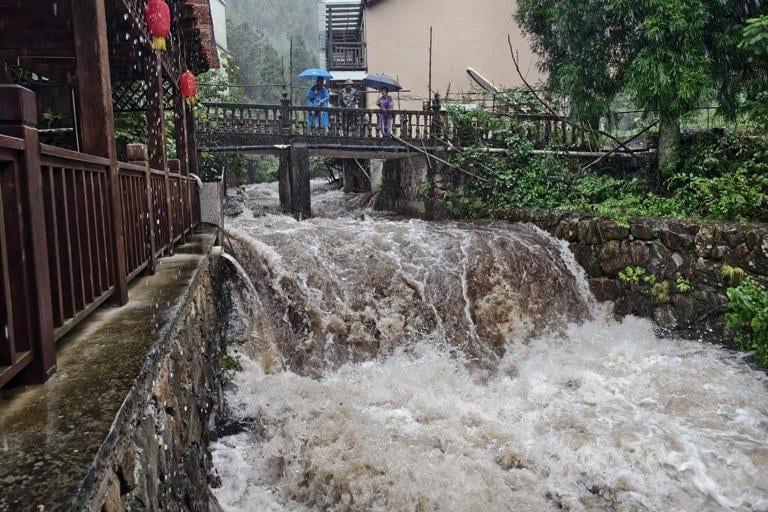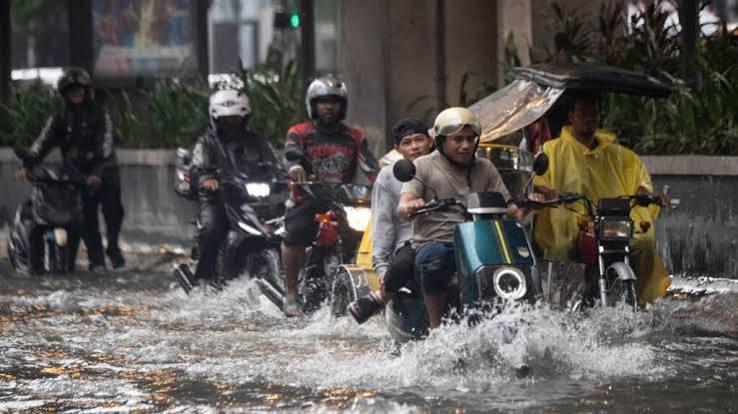
The northern Philippines faced a devastating nine-day downpour that claimed the lives of at least 13 people. The intense rains, intensified by tropical storms, caused floods, landslides, and accidents across the main island of Luzon, leading to the closure of schools and government offices in Metro Manila.
In the mountain resort city of Baguio, a rain-soaked mountainside collapsed on several houses, killing four residents. Rescuers were working tirelessly to find at least six others still missing under the rubble. State weather forecaster Dan Villamil reported that Baguio experienced 47 percent more rain than usual for the entire month, with an accumulated rainfall of 1,413.2 millimeters.
The heavy rains have had widespread effects, with six people killed by landslides in other parts of Luzon, one drowning, one struck by a falling tree, and another electrocuted. Despite the continuing rainfall, Public Works Secretary Vince Dizon assured that floodwaters were receding and highlighted the need for better flood mitigation strategies.
The Philippines, situated in the Pacific cyclone belt, is no stranger to extreme weather, facing an average of 20 storms and typhoons each year. Scientists warn that climate change is making these weather events more frequent, prolonged, and intense, exacerbating the vulnerability of the millions living in disaster-prone areas.
The government's ongoing efforts to address the aftermath of the floods come amidst a scandal involving fraudulent flood-control projects that have cost taxpayers billions of dollars. The situation underscores the urgent need for effective and sustainable solutions to protect the country from future natural disasters.