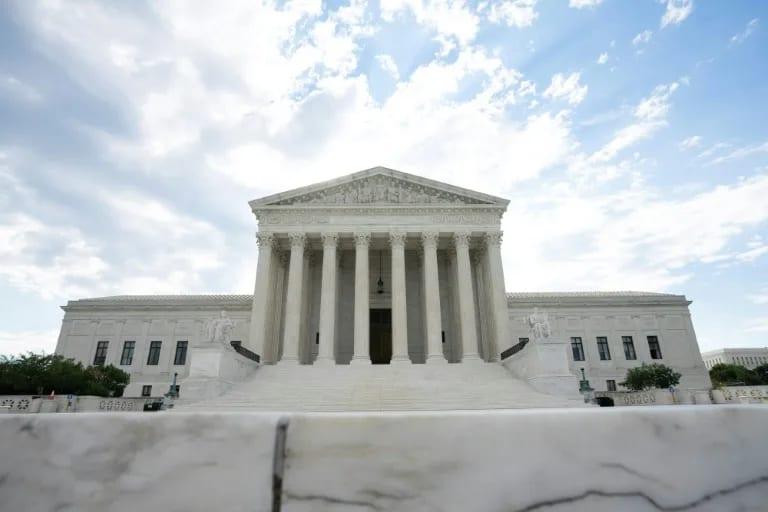
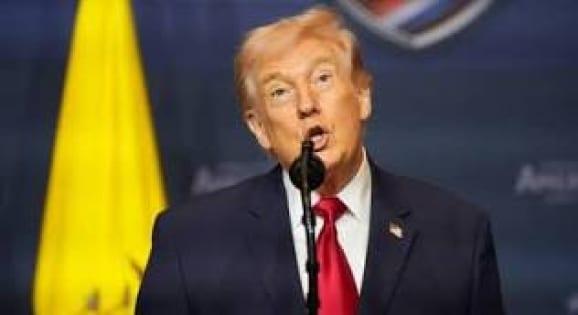
The US Supreme Court dealt a significant blow to President Donald Trump's efforts to restrict mail-in voting ahead of the November midterm elections, rejecting his request to lift an order that halted the divisive plan. Only two of the six conservative justices on the nine-member panel dissented. Justice Brett Kavanaugh, in a concurring opinion with the majority, stated that Trump's plan may ultimately be legal but that state and local election officials do not have sufficient time to implement the rule before the elections. Several states, including North Carolina, have already started sending mail-in ballots to voters.
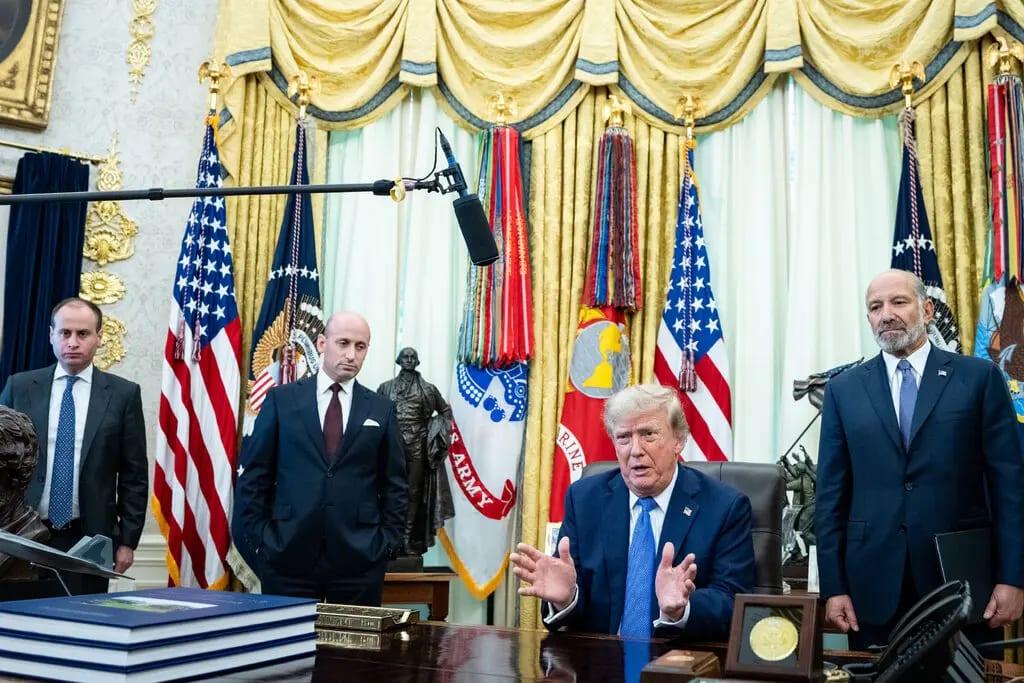
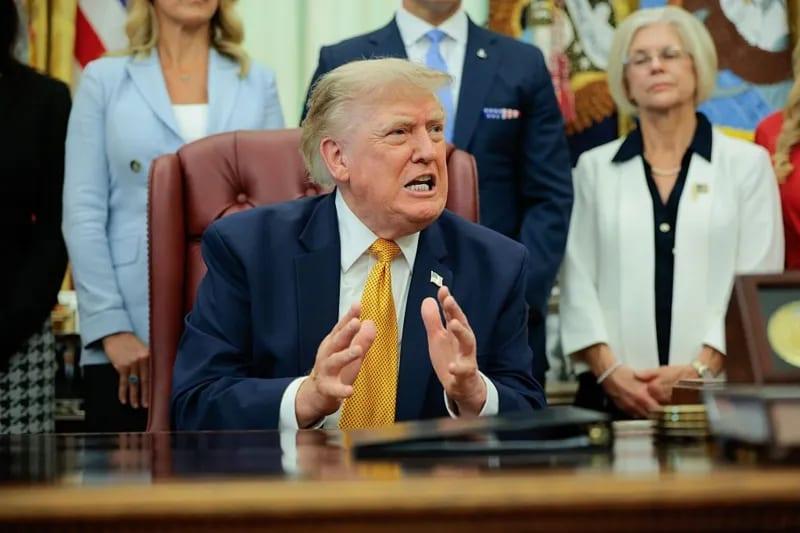
Trump signed an executive order in March seeking to restrict mail-in voting, claiming without evidence that it is vulnerable to fraud. This order faced multiple legal challenges, with Democratic-led states suing the administration on the grounds that under the US Constitution, states—not the federal government—retain broad control over the administration of elections. Trump's executive order would require the compilation of lists of eligible voters and for the US Postal Service (USPS) to deliver ballots only to voters on these lists.
The American Civil Liberties Union (ACLU) praised the Supreme Court's decision, calling it a 'major win for voting rights, election integrity, and democracy.' Sophia Lin Lakin, director of the ACLU Voting Rights Project, criticized the administration for continually testing the limits of its power and ignoring the rules governing elections. Officials from several states had warned that a lack of legal clarity around the plan was causing chaos months before the November 3 vote. A USPS whistleblower also warned that millions of Americans may not receive ballots due to the postal service's rushed and sloppy systems.
FAQ
What was Trump's executive order about?
Trump's executive order sought to restrict mail-in voting by requiring the compilation of lists of eligible voters and mandating that the US Postal Service deliver ballots only to those on the lists.
Why did the Supreme Court block the order?
The Supreme Court blocked the order because state and local election officials did not have sufficient time to reasonably implement the rule before the elections.
What did the ACLU say about the Supreme Court's decision?
The ACLU hailed the Supreme Court's decision as a'major win for voting rights, election integrity, and democracy,' criticizing the administration for ignoring the rules governing elections.
What were the concerns raised by state officials and a USPS whistleblower?
State officials warned that a lack of legal clarity around the plan was causing chaos before the November 3 vote. A USPS whistleblower warned that millions of Americans may not receive ballots due to the postal service's rushed and sloppy systems.