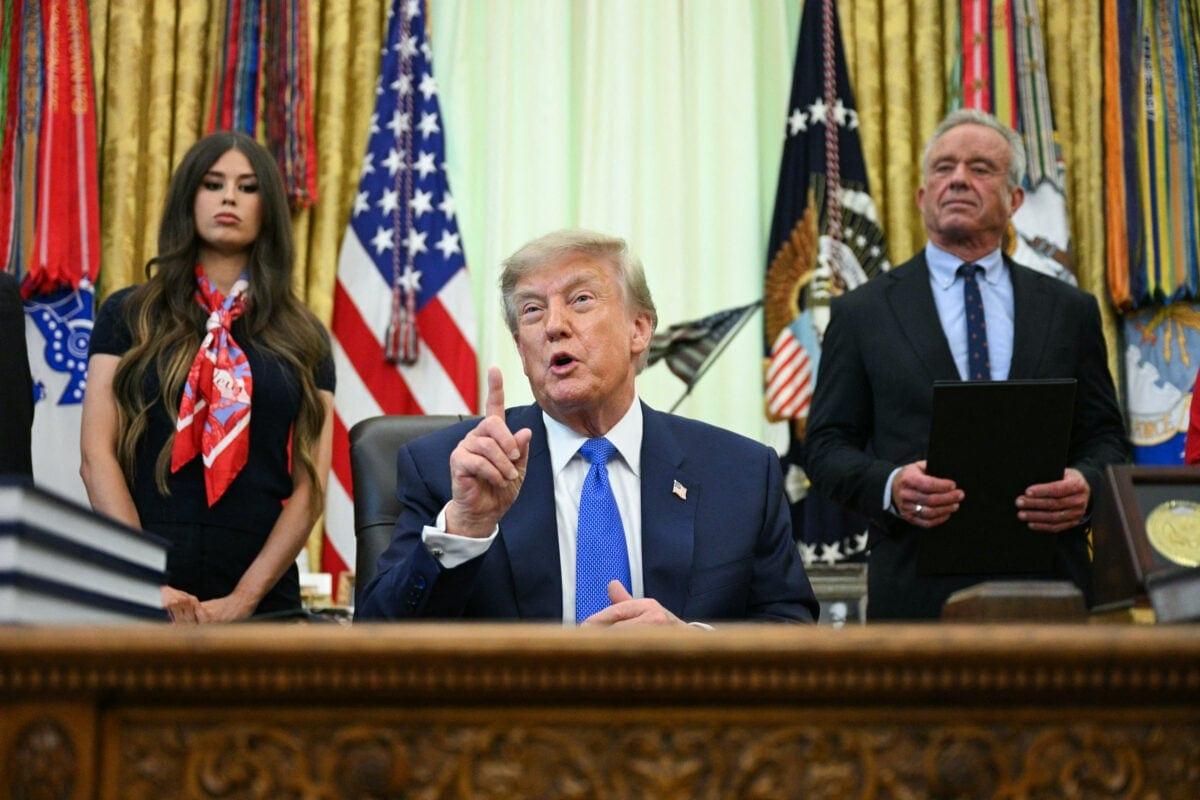
US President Donald Trump signed an executive order on Monday advocating for a reevaluation of school vaccine mandates and the separation of the measles, mumps, and rubella (MMR) vaccine into three individual shots. This move has been criticized by many medical experts as scientifically baseless and potentially damaging to public health.
Political and Scientific Backlash
The push to alter vaccine policy has been a key priority for Health Secretary Robert F. Kennedy Jr., who has promoted disproven links between immunization and autism. Critics, including New York City's health commissioner Alister Martin, argue that the order is based on politics and conspiracy theories. 'Vaccination recommendations are not set by the president, nor should they be,' Martin said.
Federal vs. State Authority
The federal government does not have direct control over several areas covered by the order. States have the authority to require vaccinations for students. Thus, Trump's move is more of a suggestion than an enforceable order. The executive order advises states to review the administration's recommendations on immunization requirements.
Expert Opinions and Logistical Concerns
Andrew Racine, president of the American Academy of Pediatrics (AAP), estimated it would take over a decade to develop approved separated vaccines in the US. Public health experts emphasize that the combined MMR vaccine offers children more protection faster and reduces logistical hurdles for parents. Senator Bill Cassidy, a doctor, criticized the order, stating it would increase hesitancy and make children less safe.
Legal and Political Context
The Trump administration's push to overhaul vaccine policy comes as its efforts to implement major changes were blocked by a federal court earlier this year. The judge's stay sided with major medical organizations, asserting the administration's actions were unlawful. The president's latest order arrives amid the worst measles outbreak in the US in 35 years.