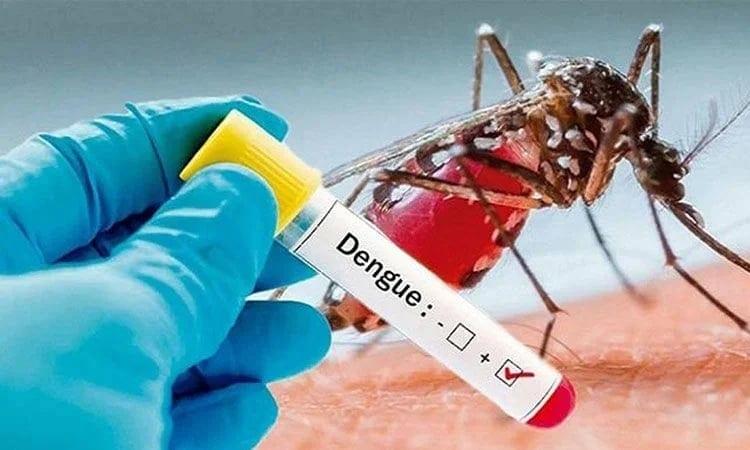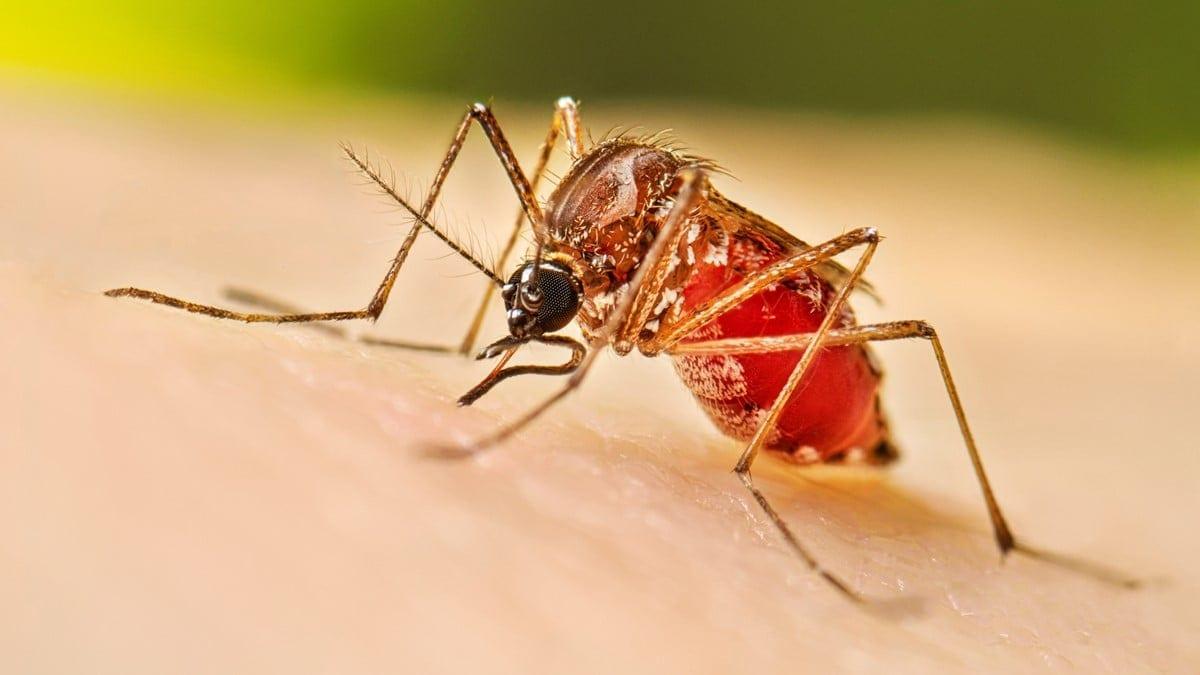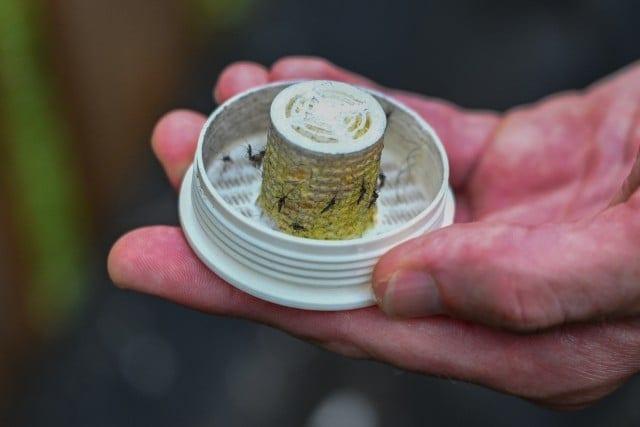
Todd Montgomery, founder of Bee Safe Mosquito Control, releases Wolbachia-infected male mosquitoes into suburban backyards near Washington, D.C. These males, which do not bite, mate with local female mosquitoes, resulting in unhatched eggs. This initiative, the first of its kind in the US, aims to release 600,000 tiger mosquitoes (Aedes albopictus) by the end of summer. Montgomery, a former electrical engineer turned entomology student, started the company in 2023 to provide an alternative to pesticide spraying. The treatment, known as 'ZAP Males,' targets tiger mosquitoes, which are vectors for diseases like dengue. Customers, including Sandra Marquardt and April Chunko, have reported varying results, highlighting the influence of local conditions on efficacy. Marcelo Jacobs-Lorena, a Johns Hopkins University professor emeritus, suggests that Wolbachia could also be used to block disease transmission without reducing mosquito numbers. Montgomery's service is currently fully booked for the year, with reservations being taken for 2027.
The rise in warm, humid days due to climate change has extended the mosquito season in much of the US, increasing the risk of disease transmission. Northern Virginia recently reported its first locally acquired case of dengue, underscoring the need for innovative control methods. Montgomery's approach not only aims to reduce mosquito populations but also to provide a safer alternative for families and pets, avoiding the use of harmful chemicals like bifenthrin.
Singapore's Project Wolbachia, which began in 2016, releases over 10 million Wolbachia-infected mosquitoes weekly, significantly reducing the Aedes aegypti population and dengue risk by more than 70 percent. Similarly, Google has applied for a permit to release 32 million mosquitoes in Florida and California for a similar project. While some customers of Bee Safe Mosquito Control have yet to see significant results, Montgomery remains optimistic about the long-term potential of his service.
Jacobs-Lorena's alternative approach involves releasing both male and female mosquitoes carrying the same Wolbachia strain, allowing their eggs to hatch but preventing disease transmission. This method could offer a sustainable solution to the growing problem of mosquito-borne diseases without the need for continuous intervention. For now, Montgomery's focus remains on customer satisfaction, with the ultimate measure of success being whether clients return for the service the following year.