Three people have died and 26 others have fallen ill in an outbreak of Legionnaires' disease in Austria's Linz region, authorities reported on Friday. The outbreak began on July 20, with three fatalities occurring in recent days. Cooling towers belonging to a company in Linz have tested positive for legionella, the bacterium that causes the disease. However, authorities have not yet definitively identified the source of the outbreak.
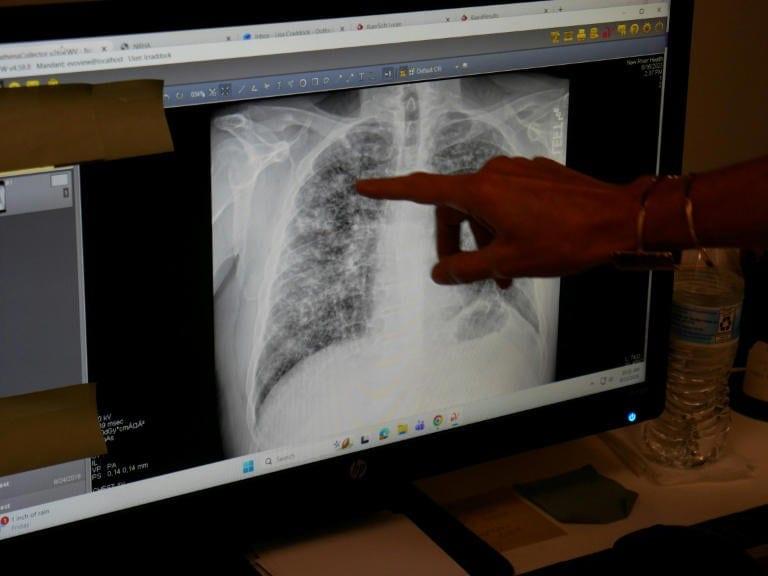
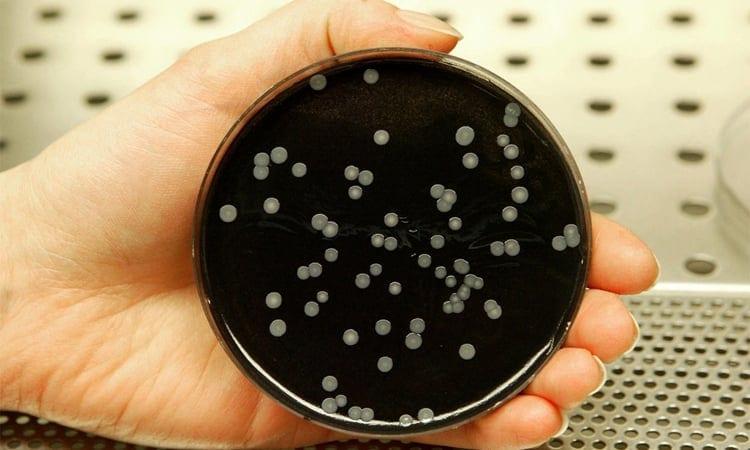
Twenty-four patients have been hospitalized, some in intensive care, while two other affected individuals live abroad but were in Linz before their infection. Legionnaires' disease is caused by exposure to the legionella bacterium, commonly found in water and soil. Symptoms range from mild flu-like illness to severe pneumonia and can include fever, headache, muscle pain, diarrhea, and coughing up blood.
The disease is treatable with antibiotics and does not spread directly between humans. Outbreaks are often linked to poorly maintained air conditioning and water systems, humidifiers, and whirlpool spas. Early this month, the Swiss city of Basel reported an outbreak of Legionnaires' disease that caused 26 people to fall ill, with one death.
Legionnaires' disease is a severe form of pneumonia caused by the legionella bacteria. It is typically contracted by inhaling water droplets containing the bacteria, often from sources like cooling towers, hot tubs, and large plumbing systems. The bacteria thrive in warm water environments and can spread through mist or vapor. While the disease is serious, it is also preventable with proper maintenance of water systems.
The recent outbreak in Linz has prompted increased scrutiny of local water systems and cooling towers. Health officials are working to identify the exact source of the bacteria and ensure that all potential sources are properly disinfected. The public has been advised to seek medical attention if they experience symptoms consistent with Legionnaires' disease, particularly if they have been in the Linz area recently.
This outbreak serves as a reminder of the importance of maintaining water systems to prevent the spread of legionella bacteria. Regular cleaning and disinfection of cooling towers, hot tubs, and large plumbing systems can significantly reduce the risk of Legionnaires' disease. Health authorities continue to monitor the situation closely and provide updates as more information becomes available.
For Bangladeshi readers, this outbreak underscores the global nature of public health threats and the importance of vigilance in maintaining clean and safe water systems. While Legionnaires' disease is not common in Bangladesh, understanding how it spreads and the measures needed to prevent it can help inform local practices and policies.