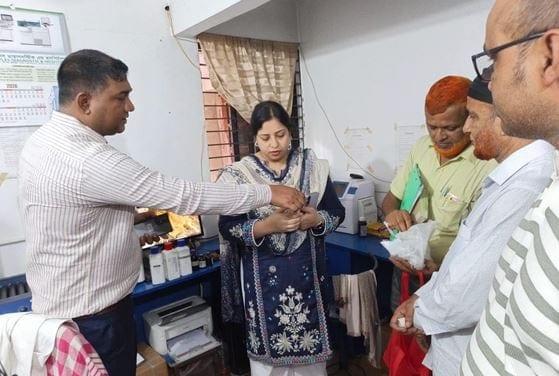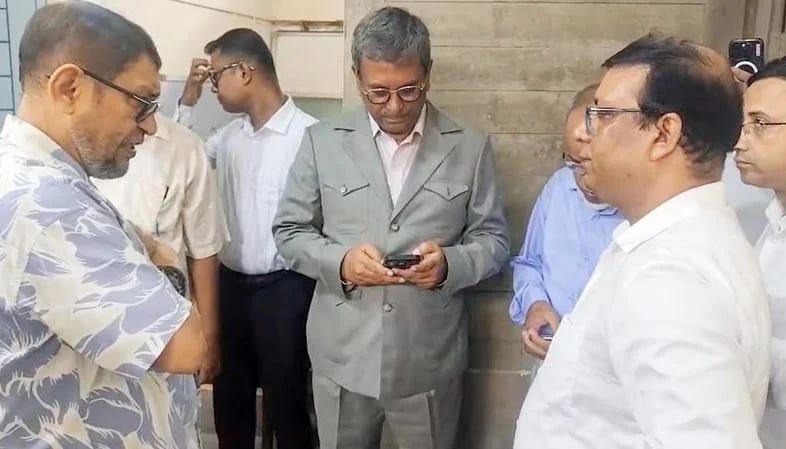
Health and Family Welfare Minister Sardar Md Sakhawat Husain said the government has intensified field-level supervision and reform initiatives to improve healthcare services at district and upazila hospitals and ensure quality treatment reaches people's doorsteps. During his regular visits, Sakhawat personally inspects emergency departments, patient wards, doctors' attendance, cleanliness, availability of essential medicines and the overall quality of services. He has instructed authorities to ensure accountability whenever negligence, shortages of essential medicines or inadequate medical supplies are detected.
The minister emphasized the government's firm stance against longstanding irregularities and corruption in the health sector. He is closely monitoring ministry activities to prevent wastage of public funds in the procurement of medical equipment and supplies and to ensure transparency in the procurement process. The government has adopted a zero-tolerance policy against syndicates and irregularities.
As part of the initiative to reduce treatment costs, work is progressing to establish 50-bed dialysis centres at every medical college and 10-bed dialysis centres at district hospitals. The government is also working to make unused medical equipment and modern machines operational through necessary repairs. This move is expected to increase the capacity of public hospitals and improve access to treatment.
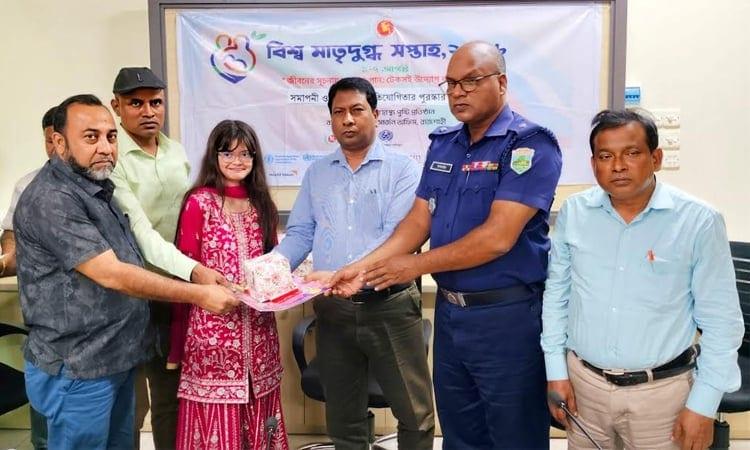
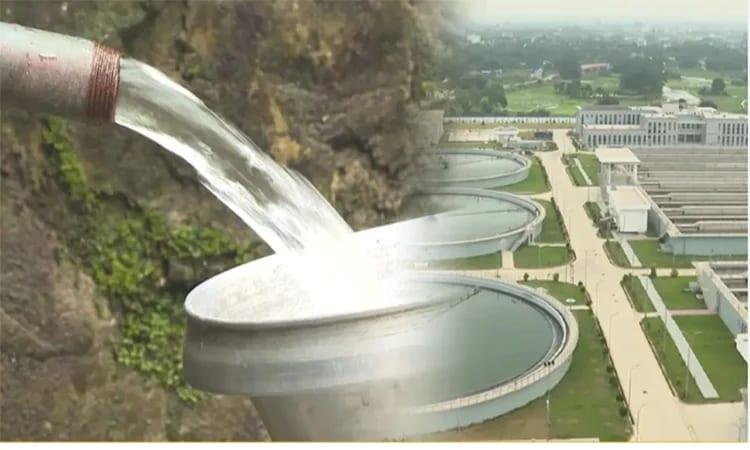
Sakhawat stressed the importance of safe water, proper nutrition, public awareness and preventive measures in healthcare. He called for integrated planning and coordination among relevant ministries to ensure effective healthcare delivery. The government is also working to build adequate buffer stocks of contraceptive supplies by September 15 to prevent possible shortages.
The broader objective of these measures is to restore public confidence in government healthcare by strengthening field-level supervision, ensuring effective use of medical equipment and supplies, curbing corruption and irregularities, and making quality treatment more accessible and affordable. If implemented effectively, these initiatives are expected to reduce the tendency of patients to seek advanced treatment abroad by improving the quality and capacity of government hospitals.