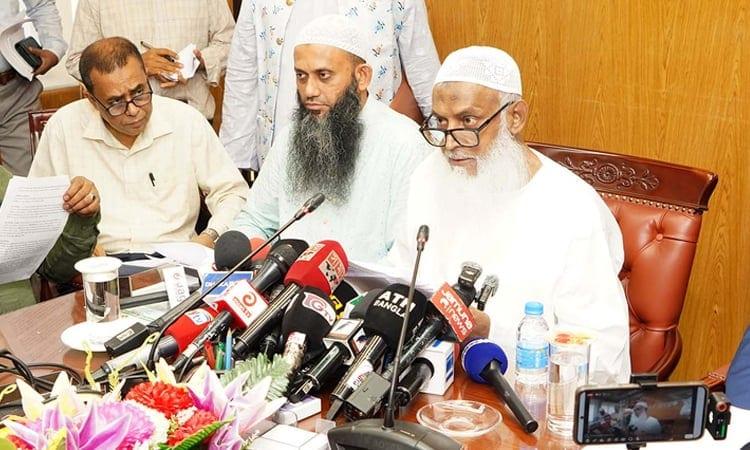
Tomorrow evening, the National Moon Sighting Committee in Bangladesh will convene to ascertain the sighting of the new moon for the holy month of Rabiul Awwal in the Hijri calendar 1448, which will set the date for Eid-e-Miladunnabi, marking the birth of Prophet Muhammad (PBUH). The meeting, scheduled for 7:00 PM following the Maghrib prayer, will take place at the Islamic Foundation's meeting room in Baitul Mukarram, Dhaka, and will be chaired by Religious Affairs Minister Kazi Shah Mofazzal Houssain (Kaikobad).
Committee's Role and Procedure
The National Moon Sighting Committee plays a crucial role in Islamic traditions, determining the start of Islamic months and holidays by sighting the new moon. The committee's decision is based on reports from across the country. If the new moon is sighted in any part of Bangladesh, citizens are encouraged to notify the authorities via designated phone numbers or local administrative offices.
Public Participation
The public's role in this process is vital, as sightings reported by community members can influence the committee's decision. Individuals are urged to contact the committee using the provided telephone numbers: 02-41053294, 02-226640510, and 02-223383397, or reach out to their local Deputy Commissioner or Upazila Nirbahi Officer.
Significance of Eid-e-Miladunnabi
Eid-e-Miladunnabi is a significant religious holiday in Bangladesh, celebrated to honor the birth of Prophet Muhammad (PBUH). The sighting of the new moon determines the beginning of the Islamic month of Rabiul Awwal, which is associated with this auspicious occasion.
Why This Matters for Bangladesh
The accurate determination of the Eid-e-Miladunnabi date is essential for the religious community in Bangladesh, impacting the timing of religious ceremonies and community gatherings. It is a moment of unity and reflection for the Muslim population.