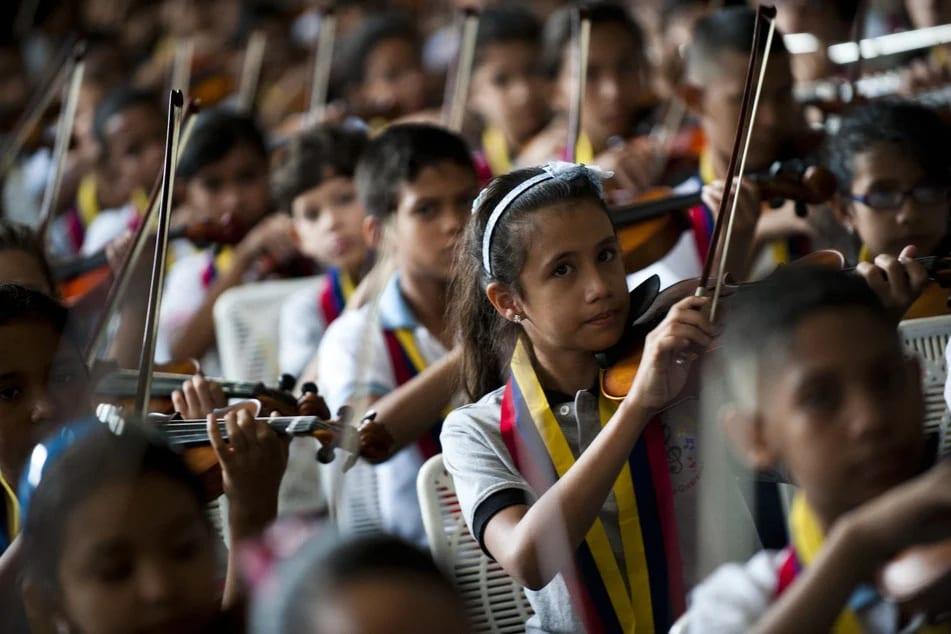
The US State Department has announced plans to provide $57 million in funding to Venezuela's renowned music institution, Fundacion Musical Simon Bolivar, commonly known as El Sistema. This initiative aims to complete a teacher training center and support cultural educational programming. Founded in 1975, El Sistema has been a cornerstone of music and arts education in Venezuela but has faced challenges due to a lack of investment in recent years.
An official statement from the US embassy highlighted that the funding is part of the Trump administration's commitment to Venezuela's long-term recovery and economic stabilization. The announcement comes after years of hostility and stringent economic sanctions imposed by the US on Venezuela. The funding underscores a shift in US-Venezuela relations following the capture of former leader Nicolas Maduro in a US military operation and the subsequent assumption of power by interim president Delcy Rodriguez in January.
El Sistema, which has produced world-class musicians, has struggled with declining resources. The new funding is expected to help the institution regain its prominence and continue its mission of providing music education to underprivileged children. The teacher training center will be a critical component, ensuring that educators are well-equipped to deliver high-quality music instruction.
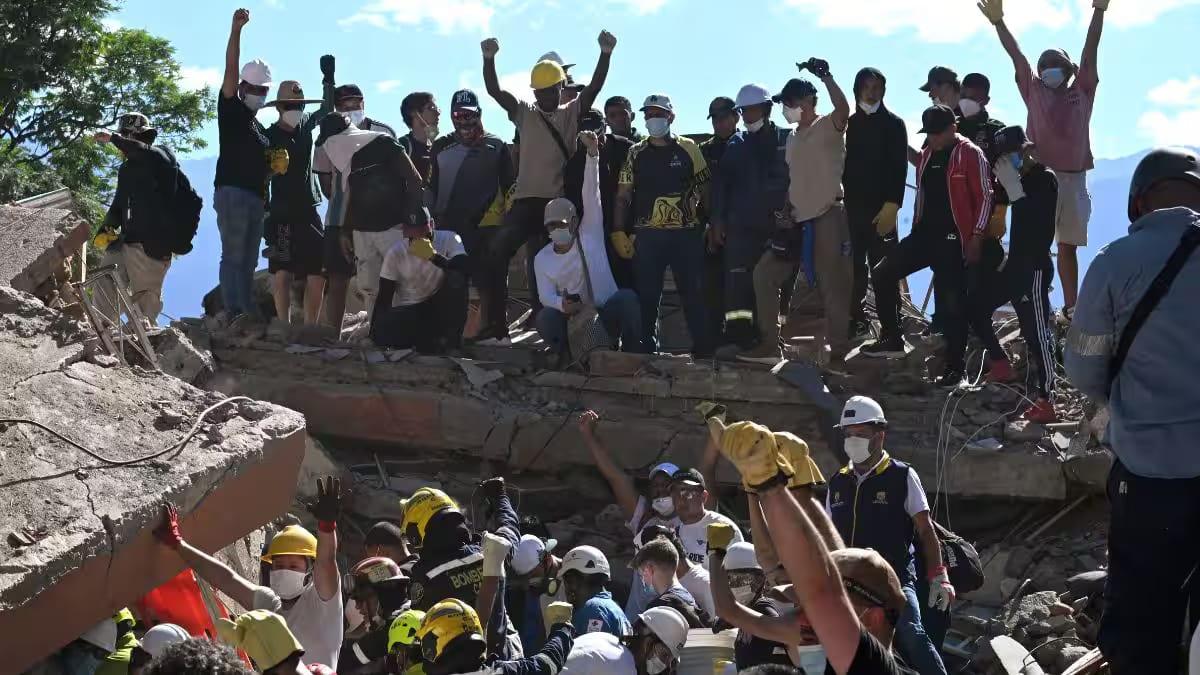
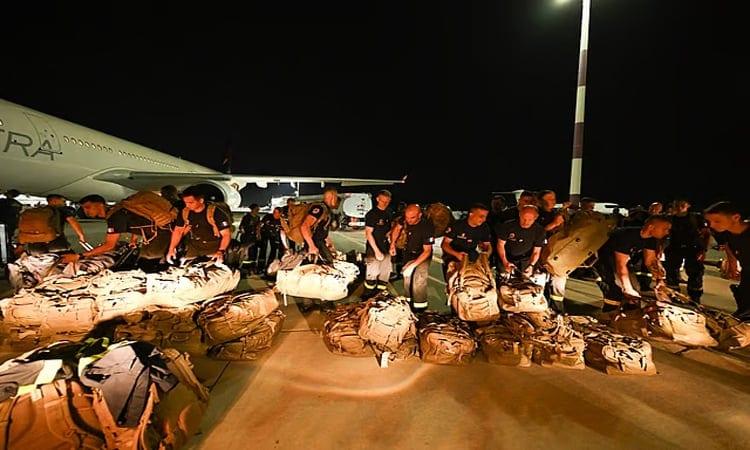
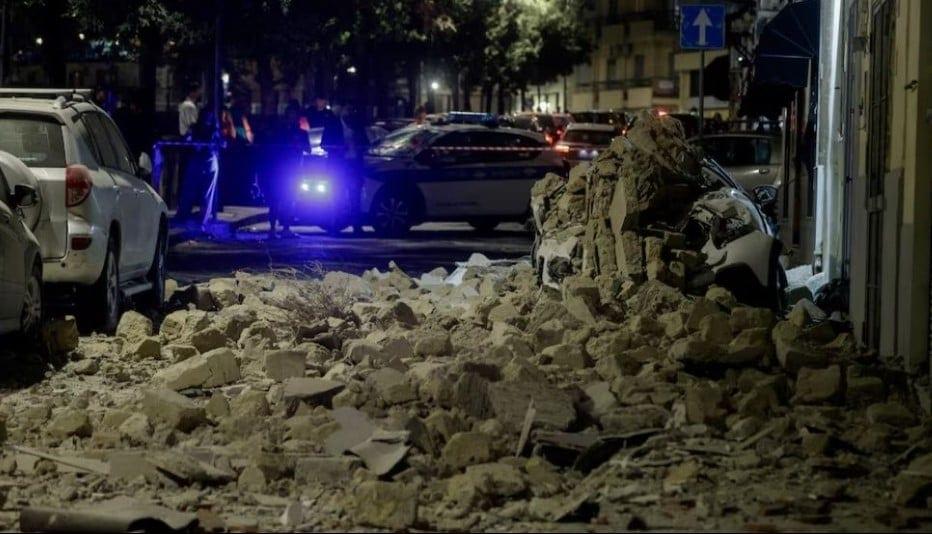
The US State Department expressed pride in helping revitalize this key cultural institution. The move is seen as a significant step towards stabilizing Venezuela's cultural sector, which has been severely impacted by the country's economic crisis. The funding also aligns with broader US efforts to support Venezuela's recovery, including a recent $300 million aid pledge following devastating earthquakes that killed over 2,000 people.
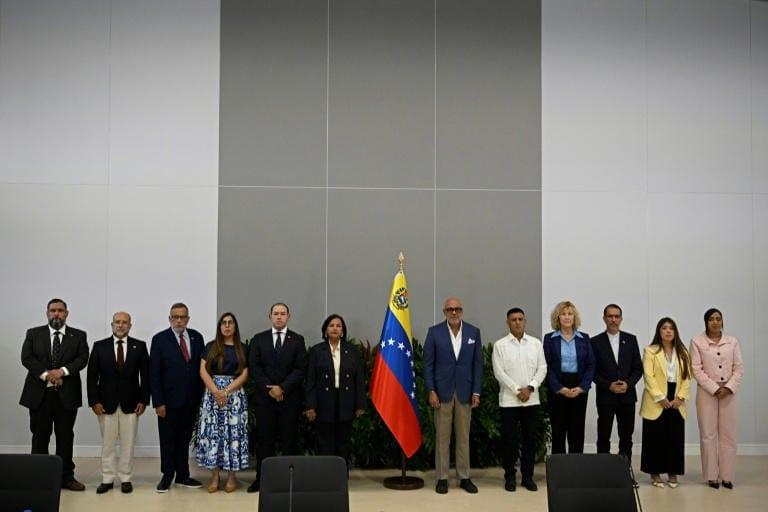
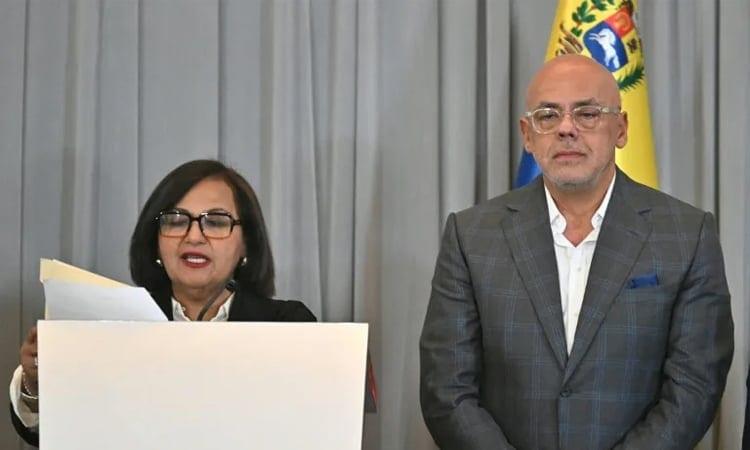
Interim president Delcy Rodriguez, who is under strong pressure from Washington to undertake economic reforms and open up the oil industry, has welcomed the US support. The collaboration between the US and Venezuela signifies a potential new chapter in their bilateral relations, focusing on cultural and economic recovery.
For Bangladeshi readers, this development highlights the importance of international cooperation in cultural preservation and education. It also underscores the role of music and arts in fostering social cohesion and providing opportunities for youth, lessons that can be applied in Bangladesh's own efforts to support its cultural institutions and educational programs.