Germany has recorded around 14,000 heat-related deaths this summer as the country grappled with severe heatwaves, surpassing the previous record set in 2018. The Robert Koch Institute, Germany's public health authority, reported that approximately 9,600 of these deaths occurred during one particularly hot week at the end of June, when temperatures soared above 40°C.
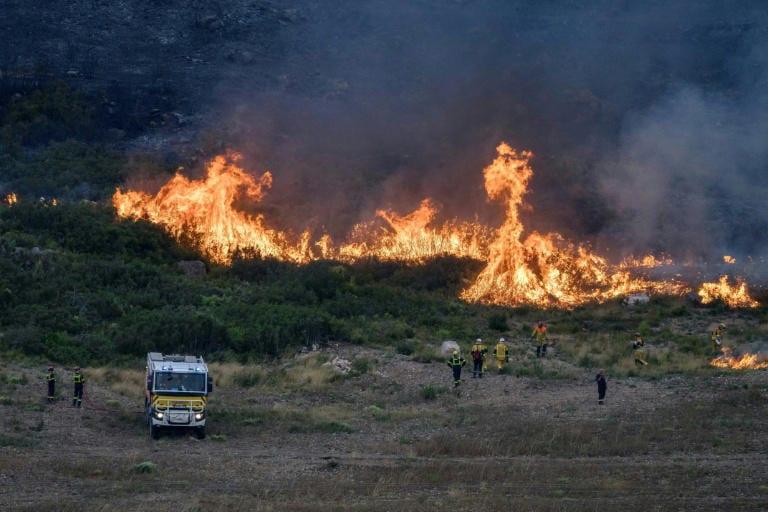
The heatwaves have been part of a larger trend of extreme weather events affecting Europe this summer. These unprecedented temperatures have strained healthcare systems, prompted emergency responses, and highlighted the urgent need for climate action. The Robert Koch Institute has been monitoring the situation closely, providing regular updates on the impact of the heat on public health.
Heat-related deaths are a growing concern globally, particularly in the context of climate change. Vulnerable populations, including the elderly and those with pre-existing health conditions, are at higher risk during such extreme weather events. Governments and health organizations are increasingly focusing on strategies to mitigate the effects of heatwaves, including public awareness campaigns, improved urban planning, and better healthcare preparedness.
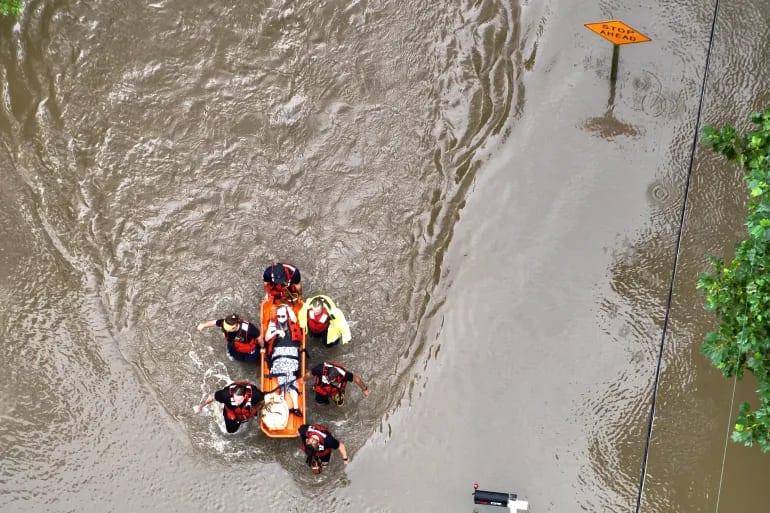
In Germany, the response to the heatwave included activating emergency plans, increasing the availability of cooling centers, and issuing public health advisories. Authorities worked to ensure that vulnerable populations had access to necessary resources and support. Despite these efforts, the sheer scale of the heatwave resulted in a significant number of fatalities.
The recent heatwave in Germany underscores the broader challenges posed by climate change. As global temperatures continue to rise, the frequency and intensity of such extreme weather events are expected to increase. This has profound implications for public health, infrastructure, and the economy, necessitating comprehensive and coordinated responses at both national and international levels.
For Bangladesh, the situation in Germany serves as a stark reminder of the potential impacts of climate change on public health. As a country particularly vulnerable to climate-related disasters, Bangladesh must continue to invest in resilience-building measures, improve early warning systems, and enhance healthcare preparedness to mitigate the effects of extreme weather events.