The Pulse Today
BREAKING
Sajib Pledges Aid for 50,000 Flood-Affected People in SonargaonMP Azharul Islam Mannan Distributes Relief Funds to Needy Families in SonargaonParliament Proposes Anti-Gambling Bill with Maximum 7-Year Prison PenaltyOpenAI Unveils 'Schedule' Feature to Boost Task Management in AI ChatbotPrime Minister Tareq Rahman Arrives in Dalian, China for Economic ForumEurope Confronts Intense Heatwave; Conditions Predicted to DeteriorateGold Prices Rise Again in Bangladesh Amid Global Market IncreaseSpaceX's Nasdaq Debut Values Company at Over $2 Trillion, Surpassing AmazonStudy Reveals AI Data Centers Contribute to Local Temperature IncreasesNarayanganj BNP Youth Wing Holds Rally to Welcome New Central CommitteeSwapon: Halal Food Culture as an Asset for Global CivilizationStolen Ena Paribahan Bus Found in Mirpur Beribadh Following 999 CallBelgian Wildfire Contained but Challenges Persist Due to Flare-Ups and TerrainUK Inflation Climbs to 2.9% in July, Driven by Increased Energy CostsOpenAI Temporarily Halts Advanced AI Development in Response to CyberattackNew Zealand Enacts Law to Prevent Climate Change Lawsuits Against CompaniesUS Long-Term Bond Yields Reach Highest Levels Since 2007 Amid Inflation and Deficit ConcernsSabalenka Dominates Wang to Reach Fourth Round at Cincinnati MastersUS Primaries: Democrats Aim to Reclaim Florida, a Key Trump StrongholdUS Proposes Logging Access to 44 Million Acres of Pristine ForestsColombia Earthquake: Estimated Damage Reaches $9.6 BillionOusted Ukraine Defence Minister Advocates for Election Path Amid Ongoing ConflictFrance Expels Two Iranian Diplomats Amid Rising Diplomatic TensionsUnitree's Shanghai Debut: Humanoid-Maker's Stock Skyrockets Over 600%Carney and Trump Engage in Urgent Talks Amid Impending US Tariffs on Canada

New Zealand Enacts Law to Prevent Climate Change Lawsuits Against Companies

New Zealand has enacted legislation to prevent lawsuits against companies for climate change-related harm.

By Staff Correspondent
Share
New Zealand blocks lawsuits against firms over climate harm | International
BSS

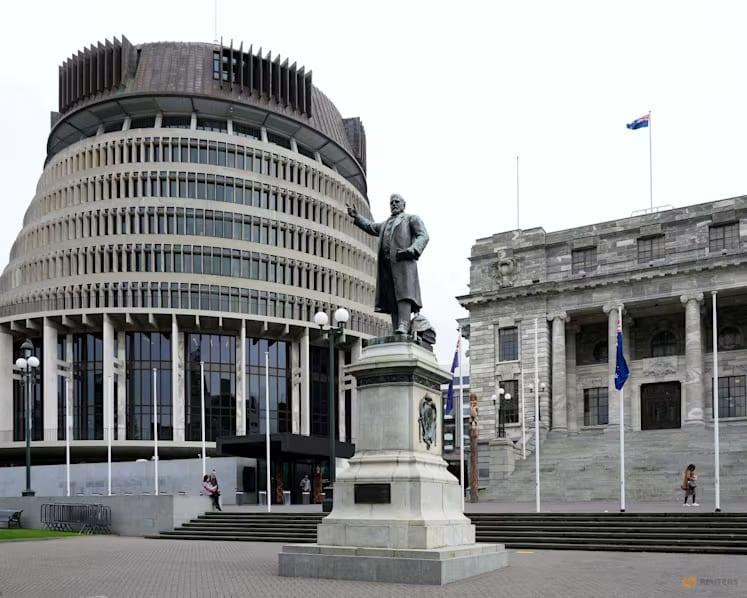
New Zealand has passed contentious legislation to block lawsuits that seek to hold companies liable for climate change harm. The right-wing coalition government's legal amendment, which cleared parliament by a margin of 67 votes to 53, aims to prevent civil litigation from overriding climate policy and undermining business confidence. This move comes in response to a lawsuit filed by Indigenous Maori climate activist Michael Smith against six prominent New Zealand companies for their contribution to environmental harm linked to climate change.

The law, which effectively ended Smith's legal action, has been criticized as a 'dark day for democracy' by the activist. Smith argued that if parliament can cancel a live court case, no legal claim is secure once it becomes politically inconvenient. The lawsuit named some of New Zealand's biggest companies, including dairy farming giant Fonterra. Opposition Green Party lawmaker Steve Abel condemned the change, stating it was 'intentionally against the public interest'.

Justice minister Paul Goldsmith defended the legislation, asserting it would provide certainty to businesses regarding their climate obligations. He argued that ongoing litigation in the High Court, where an applicant brought civil claims against six major businesses for their greenhouse gas emissions, risked developing a new regime that contradicts the framework Parliament has already enacted. Goldsmith believes the courts are not the right place to resolve claims of harm from climate change, stating the issue involves a 'range of complex environmental, economic and social factors'.

FAQ

Q: Why did New Zealand pass this legislation? A: New Zealand passed this legislation to prevent civil litigation from overriding its climate policy and to maintain business confidence. The government believes that climate change issues are best managed at a national level rather than through piecemeal litigation in the courts.

Q: What was the catalyst for this legislation? A: The legislation was introduced in response to a lawsuit filed by Indigenous Maori climate activist Michael Smith against six prominent New Zealand companies for their contribution to environmental harm linked to climate change.

Q: How has the legislation been received? A: The legislation has been met with criticism from activists and opposition lawmakers. Michael Smith called it a 'dark day for democracy,' and Green Party lawmaker Steve Abel argued it was 'intentionally against the public interest.'

Q: What are the potential implications of this law? A: The law could set a precedent for other countries and influence how climate change litigation is handled globally. It may also impact the confidence of investors and businesses in New Zealand's legal and regulatory environment.


Source: BSS

FAQ

Why did New Zealand pass this legislation?
New Zealand passed this legislation to prevent civil litigation from overriding its climate policy and to maintain business confidence. The government believes that climate change issues are best managed at a national level rather than through piecemeal litigation in the courts.
What was the catalyst for this legislation?
The legislation was introduced in response to a lawsuit filed by Indigenous Maori climate activist Michael Smith against six prominent New Zealand companies for their contribution to environmental harm linked to climate change.
How has the legislation been received?
The legislation has been met with criticism from activists and opposition lawmakers. Michael Smith called it a 'dark day for democracy,' and Green Party lawmaker Steve Abel argued it was 'intentionally against the public interest.'
What are the potential implications of this law?
The law could set a precedent for other countries and influence how climate change litigation is handled globally. It may also impact the confidence of investors and businesses in New Zealand's legal and regulatory environment.

Topics

Comments

Related stories

More in World

See all →

Latest stories