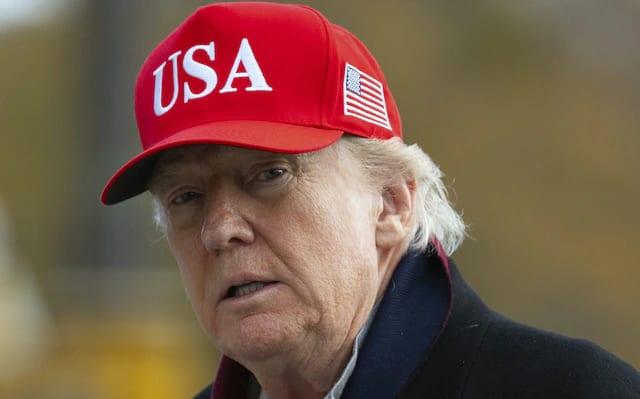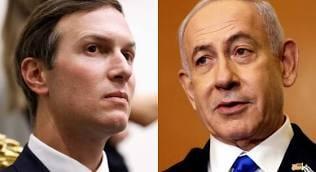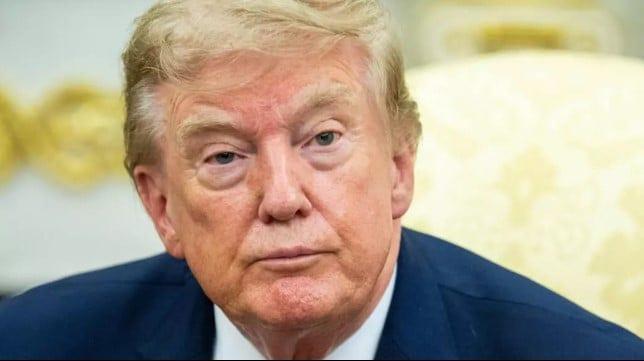
US President Donald Trump has asserted that no talks with Iran are currently under way or scheduled. In a recent post on his Truth Social network, Trump denied earlier statements by his envoy and son-in-law Jared Kushner, who had indicated 'very positive and active conversations' between the US and Iran. Trump emphasized that the naval blockade remains in effect and posted a map showing the Strait of Hormuz as 'NEW U.S. Territory'. This move comes amid ongoing tensions and the nearly six-month-old war with Iran.
The Strait of Hormuz, a critical energy waterway through which about a fifth of the world's oil transits, has been effectively shut down by Iran in retaliation for the war initiated by Trump and Israel in late February. Iran has demanded that the US meet several conditions, including ending the blockade of Iran's ports, lifting oil sanctions, releasing frozen Iranian assets, and paying war damages, before it will consider reopening the strait.
Trump's declaration of the Strait of Hormuz as US territory is not the first time he has threatened to annex foreign land. Since his return to power in 2025, he has made similar threats regarding Canada, Greenland, Cuba, and even the Gaza Strip, though none of these threats have been acted upon. His recent comments suggest a continued willingness to use such rhetoric in the face of foreign policy challenges.
US sources have indicated that there have been 'positive' discussions with Iran, but Trump has chosen to wait and not engage until Iran is ready to make a deal. Meanwhile, Iran's top negotiator, Mohammad Bagher Ghalibaf, has reiterated that the strait will remain closed until the US fulfills its commitments. The ongoing stalemate has significant implications for global oil prices and US consumer costs, particularly ahead of the crucial midterm elections in November.
The situation is further complicated by Qatar's role as a mediator. Qatar stated that an agreement between Iran and Oman over the Strait of Hormuz would facilitate the resumption of negotiations to end the Middle East war. However, Trump has shown signs of frustration, threatening to take extreme measures against US ally Oman if it interferes with a deal on the Strait of Hormuz.
The ongoing conflict and Trump's recent declarations have global ramifications, particularly for countries dependent on oil imports, including Bangladesh. The instability in the region and the potential for further escalation pose risks to global energy markets and could lead to increased oil prices, impacting Bangladesh's economy and its energy sector.