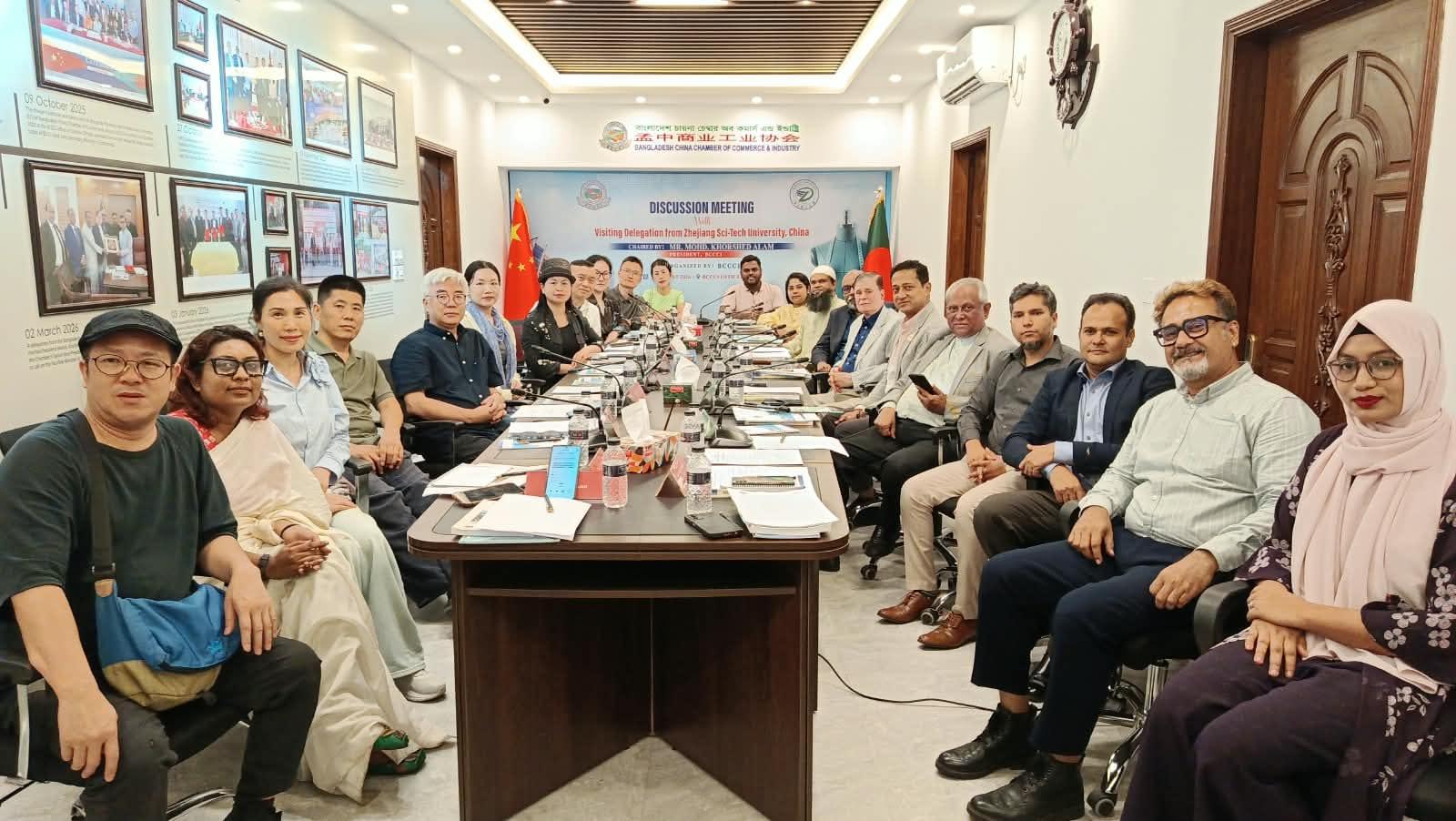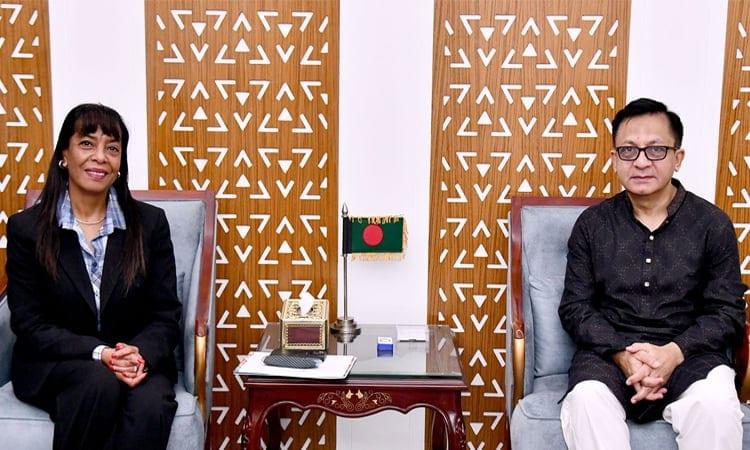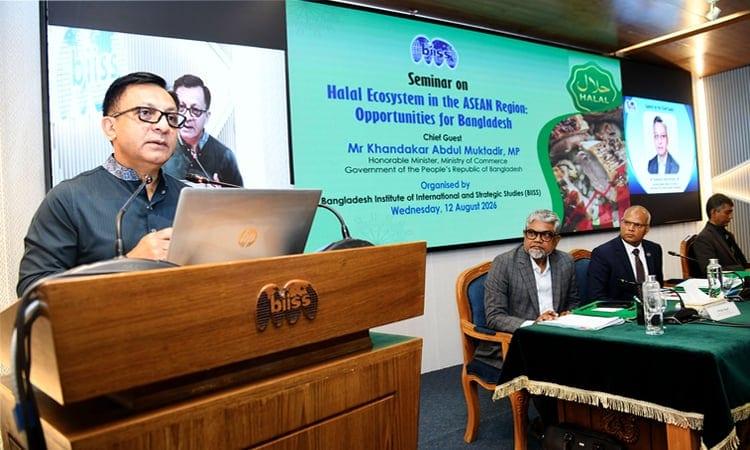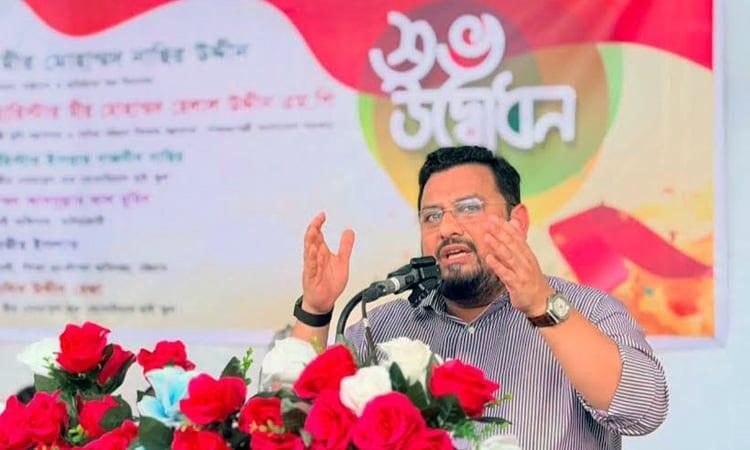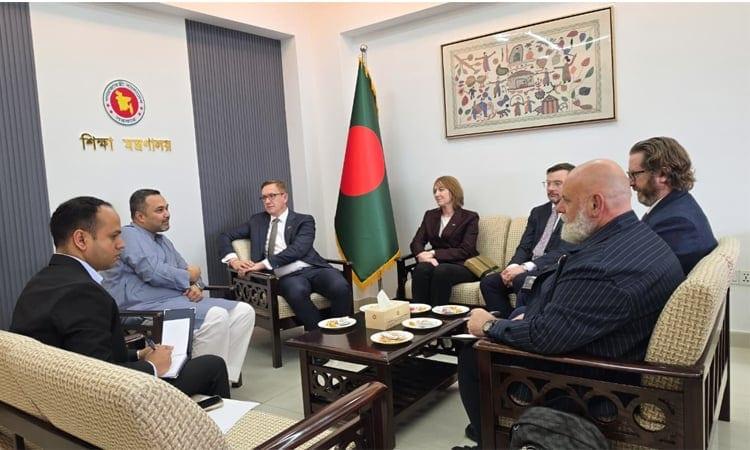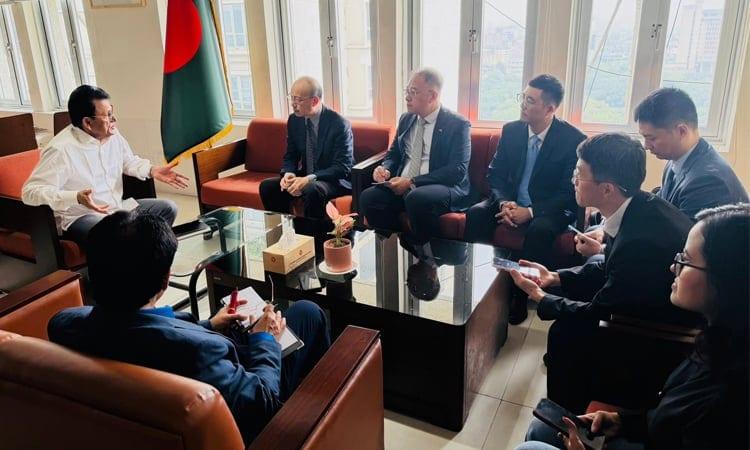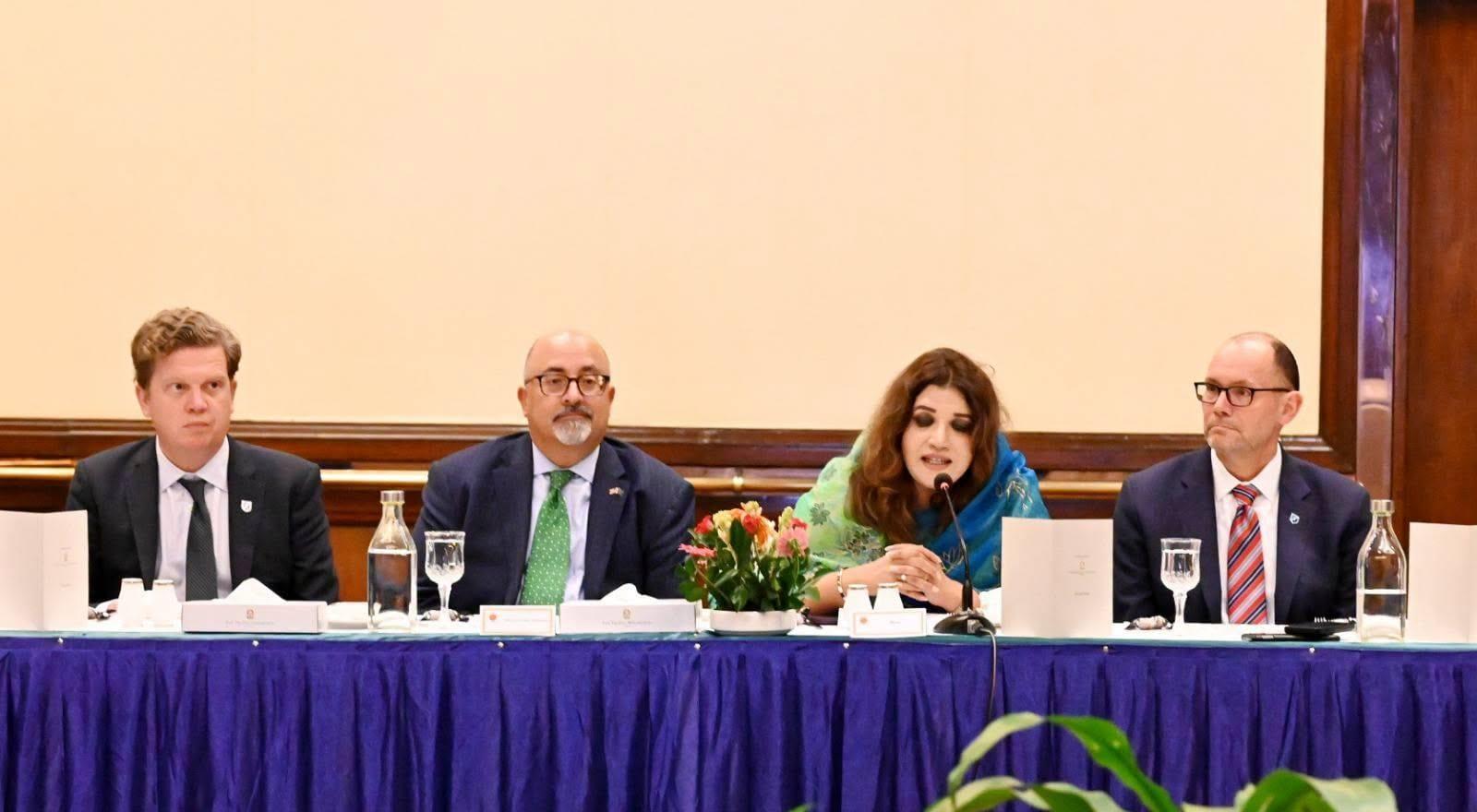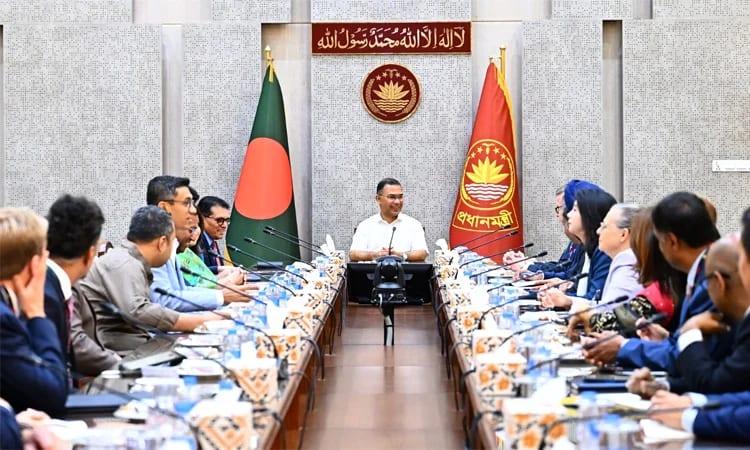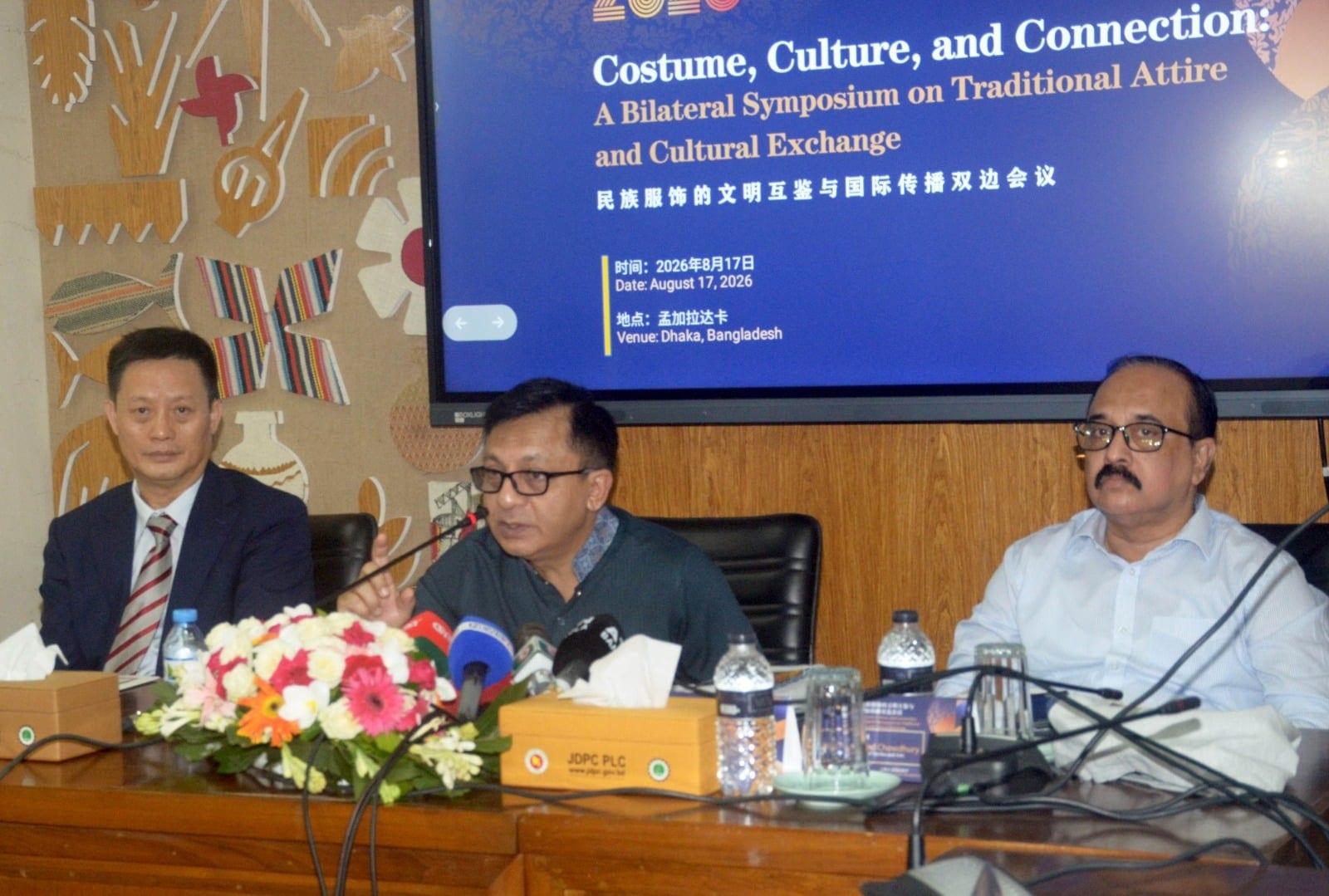
Commerce, Industries, Textiles and Jute Minister Khandakar Abdul Muktadir stressed the importance of coordinated efforts by industry, academia, and the government for the development of Bangladesh's textile and jute sectors. Speaking at a symposium organized by Zhejiang Sci-Tech University at the Jute Diversification Promotion Centre (JDPC) in Dhaka, Muktadir highlighted the potential for collaboration with international educational institutions to enhance textile education, research, and technological capabilities in Bangladesh.
The minister pointed out the opportunities to improve Bangladesh's textile sector through partnerships with institutions like China's Zhejiang Sci-Tech University. He noted that the world economy is rapidly moving towards technology-driven systems, making it essential for students, teachers, and industry stakeholders to connect with artificial intelligence, modern technologies, and digital management.
Muktadir announced that the government is taking necessary initiatives to help Bangladesh keep pace with global technological changes. He emphasized the need to modernize the country's textile institutes and vocational education system to meet the demands of the modern world. To achieve this, the curricula of Bangladesh's textile institutes will be reviewed and aligned with China's modern textile education system.
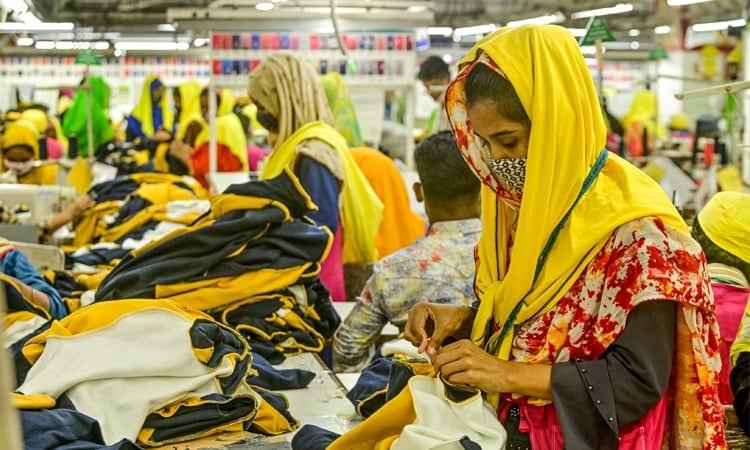
The minister also discussed the potential for skills development through training by experienced Chinese teachers and experts, as well as sending Bangladeshi faculty members to China for advanced training. He mentioned that Bangladesh's readymade garment sector currently earns around US$38-39 billion from exports, but there is significant scope to earn more by producing high-value and value-added textile products.
On the jute sector, Muktakar Abdul Muktadir stressed the importance of raising jute productivity, developing new products, and producing high-value jute goods. He suggested that joint research initiatives with China could create opportunities to increase jute productivity, introduce new technologies, and develop value-added products. The minister believes that transforming raw jute into blended fiber, fabrics, and other high-value products could significantly increase the sector's potential.