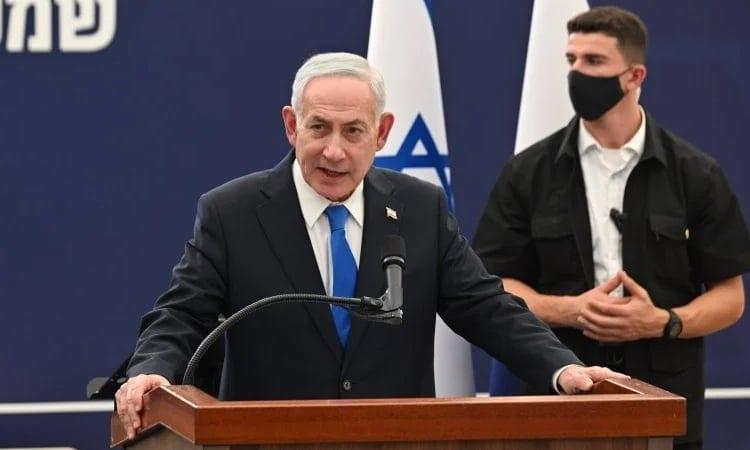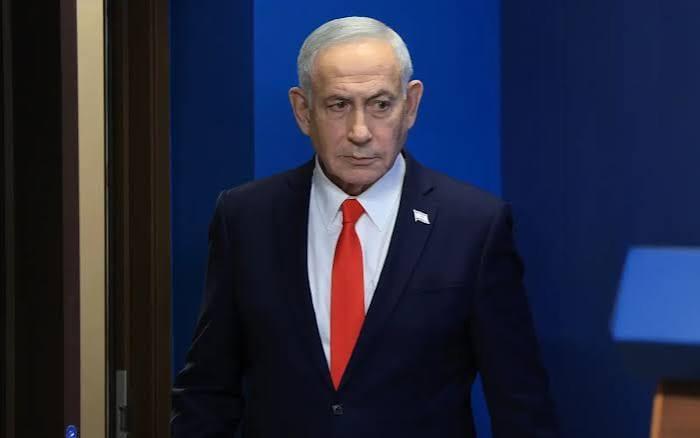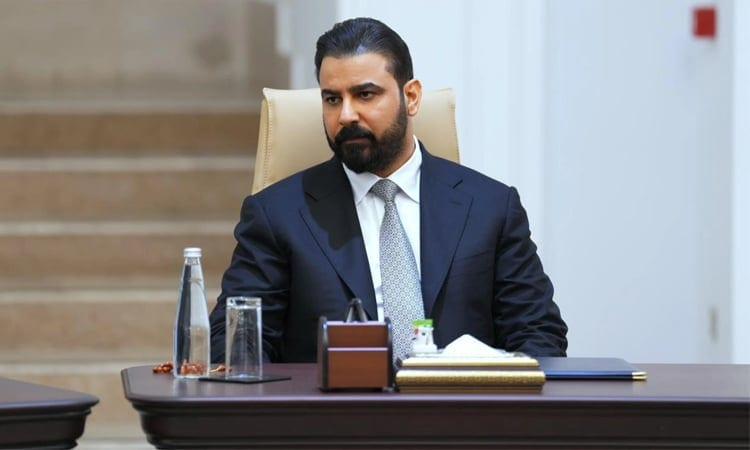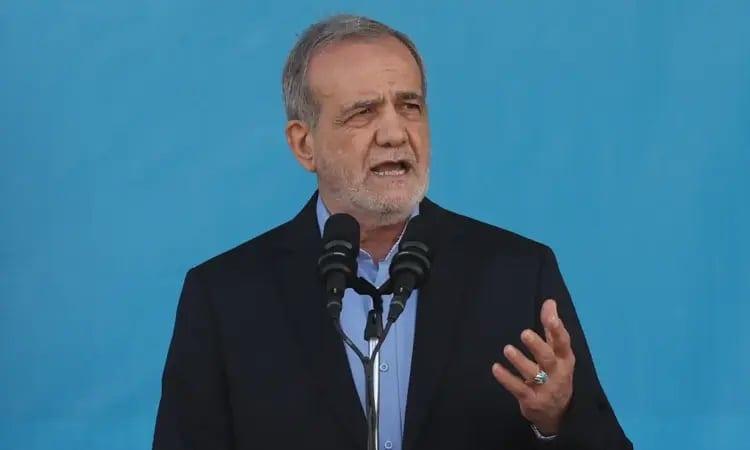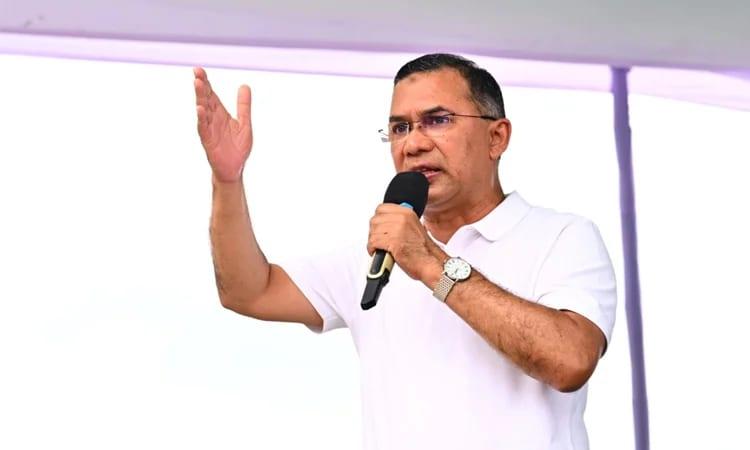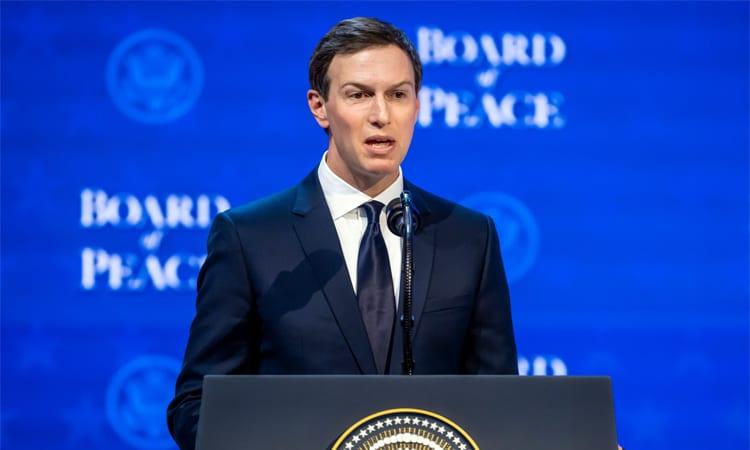
US envoy Jared Kushner is scheduled to meet with Israeli Prime Minister Benjamin Netanyahu on Monday, following talks with Hamas leaders in Egypt. The discussions aim to revive a US-backed Gaza peace plan, which Israel has thus far rejected. This meeting comes two weeks after Hamas endorsed the latest stage of Trump's Gaza plan, despite Netanyahu's refusal to support it, insisting on the group's "genuine disarmament".
Background on the Gaza Plan
Kushner, who is also Trump's son-in-law, met with Hamas's new leader Khalil al-Hayya in El-Alamein, Egypt, on Sunday. During the meeting, Kushner urged Hamas to take "concrete, verifiable steps" and emphasized that "Gaza can never again be a source of terror for Israel," according to a source who spoke on condition of anonymity due to the sensitivity of the discussions. Hamas reiterated its commitment to the plan. The group called on mediators and Trump's Board of Peace to "compel" Israel to approve the roadmap and establish a timetable for its implementation.
Regional and International Reactions
The United States, which has long refused contact with Hamas due to its classification as a terrorist organization, has increasingly engaged in direct contact under the Trump administration in hopes of ending the conflict. This approach led to the October ceasefire agreement, which facilitated the release of remaining Israeli hostages. However, Israel has resumed airstrikes in Gaza following a period of relative calm. On Sunday, Israeli aircraft targeted a house west of Nuseirat, resulting in several injuries, according to Mahmoud Bassal, spokesman for Gaza's civil defence agency. The Israeli military stated it was responding to a threat by Islamic Jihad militants. Meanwhile, several others were wounded after Israeli forces opened fire on tents housing displaced people west of Khan Yunis.
The rejection of the peace plan by Israel has drawn condemnation from regional mediators and fellow Muslim nations, including Egypt, Qatar, Turkey, Jordan, Saudi Arabia, the United Arab Emirates, Pakistan, and Indonesia. In a joint statement, these countries asserted that "Israel bears direct and full responsibility" for obstructing peace and that its refusal "directly threatens to derail extensive efforts" by Trump. In response, Netanyahu's Likud Party accused the Arab countries of attempting to bring down the prime minister in the upcoming election. Notably, the inclusion of the UAE, which normalized relations with Israel five years ago, underscores the significance of this development. Despite assurances from Nickolay Mladenov, the Board of Peace's high representative for Gaza, that Israel would not need to withdraw troops until Hamas was fully disarmed, Netanyahu remains opposed to the US plan.