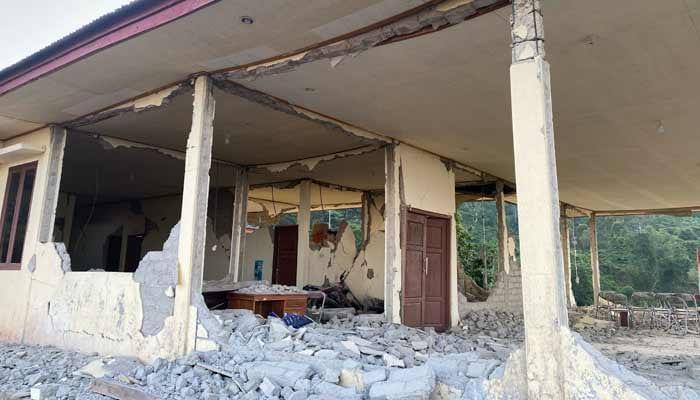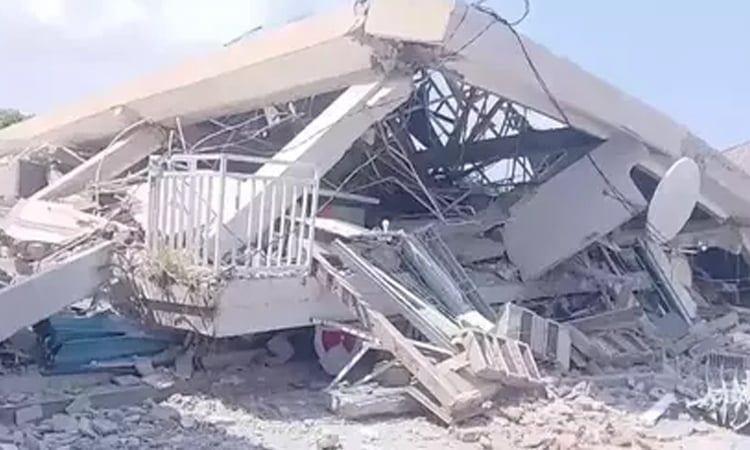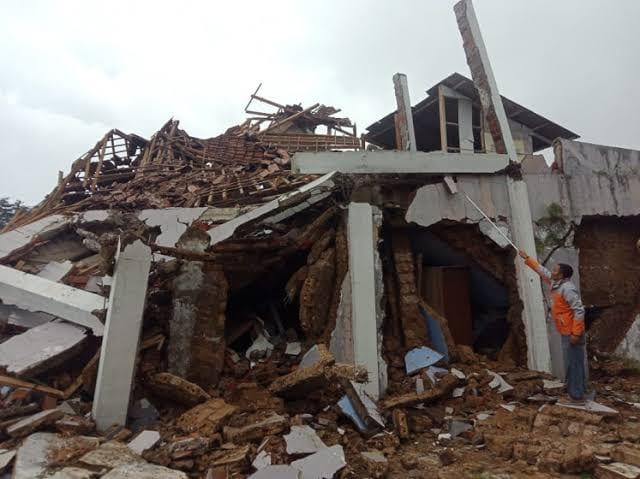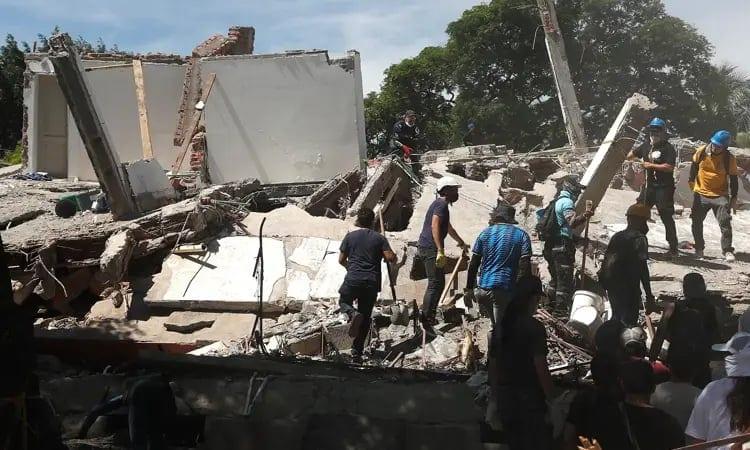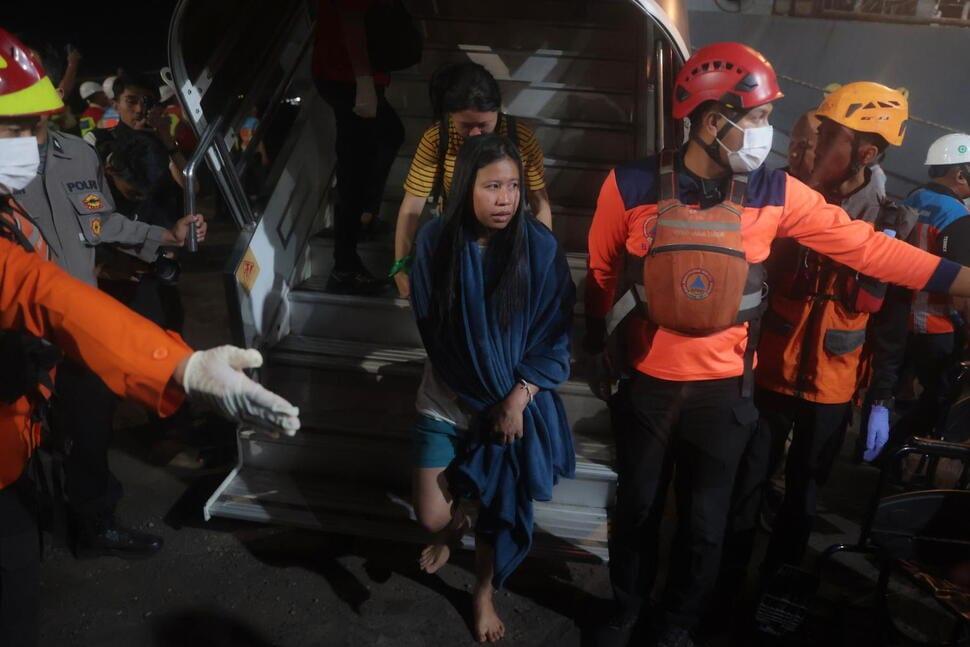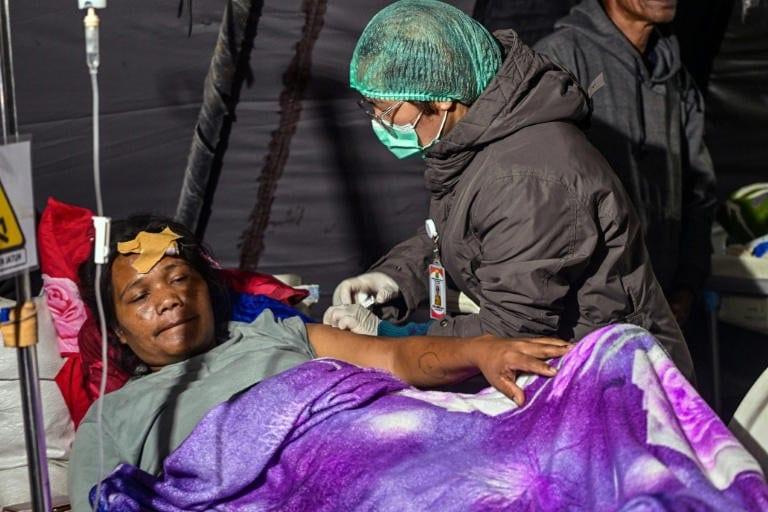
Residents of Flores island in Indonesia are recounting the terror and chaos as a powerful 7.7-magnitude earthquake struck, forcing thousands to evacuate and seek safety. Melania Nius, who was at her husband's hospital bedside when the quake hit, described the harrowing experience of fighting to get her family to safety as debris scattered everywhere. 'The bed almost flipped over. Tables and all the things on the tables and on top of the cupboards all fell and scattered everywhere,' she said. 'We were panicking.'
Panic and Chaos
The epicentre of the shallow quake was just north of Flores island in eastern Indonesia. The area hardest hit was Nagekeo, some 200 kilometres (124 miles) east of Ruteng. About 2,000 Flores inhabitants evacuated as authorities issued an initial tsunami warning that was later lifted. Many stayed outside overnight as dozens of aftershocks threatened to bring down compromised buildings. Dozens of patients were moved to tents erected outside the Ruteng hospital.
Tonsianus Sambang, who was visiting his mother at the hospital, described the scene: 'So, we all started to panic; some people jumped out of windows, and some ran outside. Things were falling everywhere, so our main priority at that moment was how to evacuate the patients and get them out of that room. The walls were collapsing, debris was falling, and objects were scattered across the floor.'
Desperation for Aid
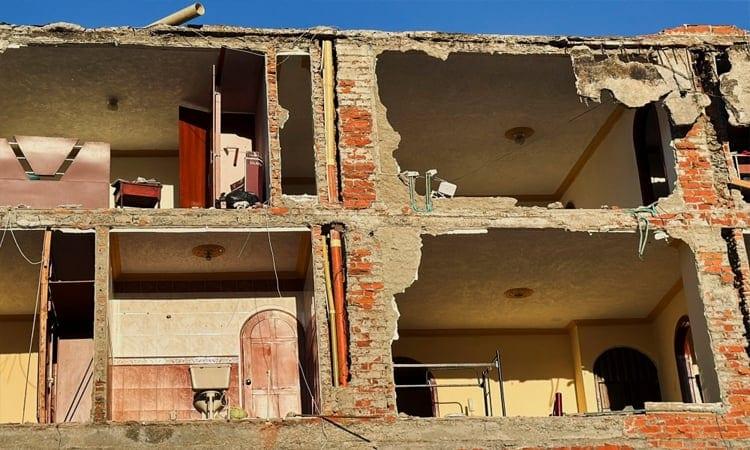
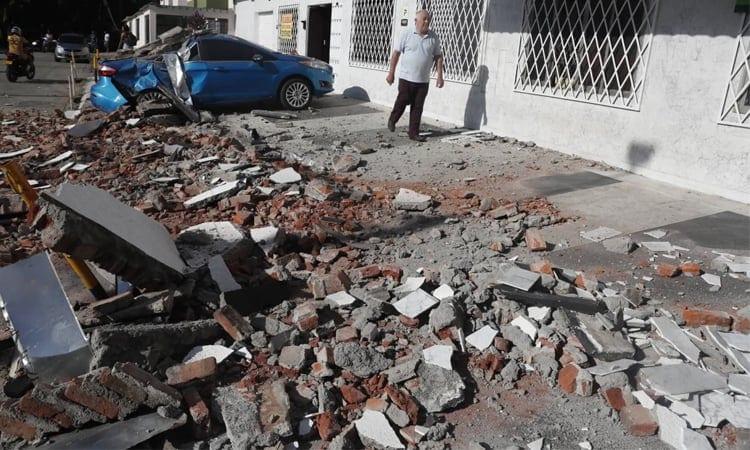
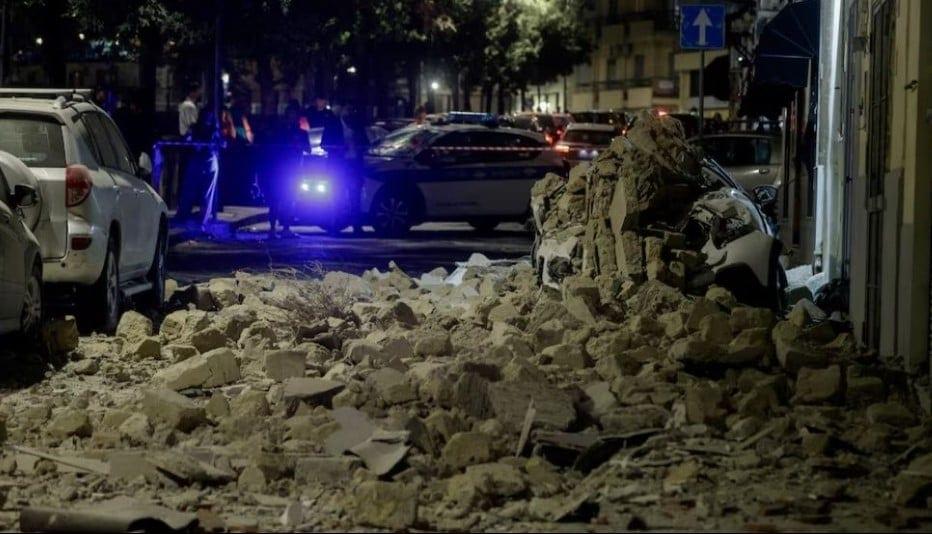
Tonsianus made an appeal to the government to bring medical supplies and other aid as quickly as possible. The hospital also has to deal with an influx of people injured in the quake, like Yoktafiana Sinar, whose house came down on top of her. 'The wound on my head is getting better, but my leg still hurts. It was broken when the house collapsed on me,' she said. Emergency officials said nearly 160 houses, dozens of educational and health facilities, and other public buildings were damaged when the earthquake struck the popular tourist island.
The International Federation of Red Cross and Red Crescent Societies said preparations were underway to bring aid to some 2,000 people in temporary shelters. The government sent 50,000 aid packages weighing a total of 275 tonnes to the area, and European Union chief Ursula von der Leyen offered help from the bloc's Copernicus Earth observation satellites.